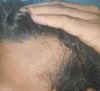
The user has been taking oral finasteride for 2 months, experiencing more hair loss but noticing some fuzzy hair growth on the scalp. They are questioning if this new hair growth is significant.
Alcohol-based minoxidil absorbs better but can cause irritation; non-alcohol-based is gentler. Topical dutasteride shows promise but needs more research; low-dose oral minoxidil (0.25 mg/day) is effective with fewer side effects. Ingredients like Procapil, Redensyl, caffeine, and Anagain in shampoos have limited evidence; ketoconazole shampoo can help when used 2-3 times a week with other treatments.
The user experienced side effects from oral minoxidil, such as palpitations and insomnia, and switched to topical minoxidil, which led to noticeable hair regrowth, especially at the hairline. They also use finasteride and observed increased hair shedding initially, which later stabilized.
A 27-year-old male experienced limited success with Dutasteride and topical Minoxidil for hair loss and eyebrow thinning, with side effects like decreased libido and erectile dysfunction. He is considering oral Minoxidil but is concerned about side effects, and is advised to try ketoconazole for possible dermatitis and monitor vitamin D levels.
The conversation is about hair loss treatments, focusing on minoxidil and finasteride, with suggestions for microneedling and dermarolling to improve hair thickness. The original poster has used minoxidil for four years and finasteride for over a year but is exploring additional options for better results.
A 30-year-old woman shared her 4-month hair loss progress using minoxidil, rosemary oil, and Nizoral shampoo. She posted before and after pictures taken three months apart.
User shared 9-month hair regrowth progress using a Fin/Min spray from HIMS, with additional microneedling. Other users praised the results and discussed the effectiveness of topical treatments.
A user shared their 2-year hair recovery journey using minoxidil, microneedling, finasteride, iron, zinc, selenium, cyproterone, and estrogen. They started losing hair at 15 and are now 24.
A 26-year-old male with early hair thinning is using finasteride, topical minoxidil, and supplements for deficiencies in iron, B12, and vitamin D3. He is considering adding oral minoxidil to his treatment plan.
A 25-year-old woman has been losing hair for 10 years despite normal thyroid, hormone levels, and B12 supplementation. She has used Minoxidil with limited success and is considering hair transplants, Propecia, or shaving her head and wearing wigs.
Using hair loss treatments such as Minoxidil and Finasteride to combat male pattern baldness, with the poster expressing hope in regaining confidence and security. Replies offer advice, anecdotes, and support for the user's efforts.
The user experienced hair regrowth and stabilization at Norwood 2 using natural remedies like pumpkin seed oil, rosemary oil, vitamins, and scalp massages, avoiding minoxidil and finasteride due to side effects. Another user suggested starting topical finasteride earlier to prevent further hair loss.
Creatine does not cause hair loss, but some users report hair loss while using it. Minoxidil and finasteride are mentioned as treatments for hair loss.
Ketoconazole shampoo may help with early-stage hair loss by stopping hair regression and promoting new hair growth, though its effectiveness as a DHT blocker is debated. Users report varying results, with some experiencing dryness and others seeing improvement when used 2-3 times a week.
The user's hairline is receding despite using finasteride for 7-8 years and minoxidil for 1 year, with inconsistent usage. They are considering other treatments like microneedling.
A 20-year-old male has been using topical finasteride and minoxidil for 6 months, reducing hair fall by 60%, but is still experiencing hair loss. He is considering more powerful treatments as topical finasteride, which reduces scalp DHT by 70%, hasn't stopped his hair loss.
The conversation is about hair loss treatments. The user considers natural remedies but is advised that finasteride, dutasteride, and minoxidil are more effective.
A user struggles with male pattern baldness and a persistent tingling itch on their crown, trying various treatments like aloe vera, tea tree oil, and Nizoral without success. Another user suggests the itch might be psychosomatic, linked to worrying about hair loss.
The conversation humorously suggests that elites with full hair are suppressing a hair loss cure to maintain their dating advantage. It mentions treatments like hair systems, hair transplants, and medications such as Minoxidil and finasteride.
OP shared a 7-year hair density progress update using Minoxidil, Finasteride, and dermarolling. Creatine use was discussed, with mixed opinions on its impact on hair loss.
The conversation discusses hair loss treatments, including minoxidil, finasteride, biotin, folic acid, zinc, micro-needling, niacin, and cipaxil, with the user preparing for a hair transplant. The user experiences side effects with topical finasteride and is hesitant to try oral dutasteride.
The user began experiencing hair loss at 14 and is now starting treatment at 18 with a topical solution of 10% minoxidil-finasteride and ketoconazole shampoo. Oral finasteride was not recommended due to potential effects on growth, and microneedling will be considered after four months.
The user "OP" is frustrated with hair loss despite using oral minoxidil, topical finasteride, and oral dutasteride. Other users suggest keto shampoo, lifestyle changes, and low light laser therapy.
Hair loss treatments, specifically Minoxidil, Fluridil & Alfatradiol, Nizoral, Saw Palmetto, Hairmetto and Microneedling. The user mentioned they have seen a decrease in shedding and improvement in the quality/density of their hair since using this stack, but opted out of trying Finasteride due to potential side effects.
The user experienced significant hair regrowth after 4 months using oral minoxidil, oral dutasteride, topical minoxidil, Nizoral shampoo, microneedling, and various supplements. They reported increased body hair and some acne as side effects but noticed less hair breakage with silk pillows.
A 28-year-old male shares his 12-step hair regrowth routine, including finasteride, minoxidil, RU58841, LLLT, dermarolling, various shampoos, supplements, and a healthy diet. He seeks advice on microneedling frequency and mentions experiencing lowered libido and occasional scalp inflammation.
The post discusses using finasteride, minoxidil, ketoconazole, and a dermaroller for hair loss, along with spearmint capsules, pueraria mirifica, saw palmetto, biotin, and vitamins. The user is also considering microdosing finasteride with trans treatment and mentions the potential of herbal enemas and hair systems.
Hair loss is linked to scalp fibrosis and tension, which result from chronic mechanical stress and androgenic signaling. Treatments include blocking androgens with finasteride, promoting hair growth with topical minoxidil, and improving scalp mobility through exercises.
Finasteride can cause initial hair shedding, which may indicate effectiveness, with improvements seen after 12-24 months. Some users enhance results by combining it with minoxidil and dermarolling.
A user named Mmherak is experiencing hair loss, with low B12 and iron deficiency, and has been recommended minoxidil and spironolactone by dermatologists. Other users suggest seborrheic dermatitis or dandruff, recommending treatments like Nizoral shampoo, ketoconazole, and Selsun Blue.