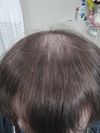
Hair loss is causing distress and self-esteem issues, with discussions on treatments like finasteride, minoxidil, and hair transplants. Some suggest topical treatments or lifestyle changes, while others stress the importance of confidence and self-acceptance.
The user is exploring alternatives to hair transplants due to a weak donor area and is currently using finasteride, minoxidil, dermapen, low-level laser therapy, Nizoral shampoo, and a high-protein diet. They plan to switch to dutasteride and consider adding RU58841, while rejecting hair systems and considering a buzz cut.
The user has been using topical minoxidil and finasteride for hair loss, with some regrowth at the temples but continued hairline thinning. The dermatologist suggested possible telogen effluvium due to stress and deficiencies, prescribed oral minoxidil, and may consider dutasteride if the condition doesn't improve by January 2026.
The conversation discusses whether baby hairs observed after using finasteride and minoxidil will grow into terminal hairs, with mixed experiences and opinions shared on the effectiveness of these treatments for hair regrowth. Some users report positive results, while others are skeptical about the potential for significant change.
A 33-year-old male is experiencing thinning at the temples and hairline, with increased shedding over the past year. The user suspects androgenetic alopecia (AGA) despite AI suggesting a maturing hairline.
A 25-year-old male with androgenetic alopecia experienced improved hair condition after using finasteride, oral minoxidil, and dutasteride, but later faced diffuse thinning and texture deterioration after a shedding phase. Others suggest patience, continued treatment, and using ketoconazole shampoo, with some sharing similar experiences of post-shed thinning.
A 31-year-old man feels depressed due to hair loss, using topical finasteride and previously tried minoxidil. Others suggest treatments like finasteride, minoxidil, hair transplants, or embracing baldness, highlighting the importance of mental health and self-acceptance.
A 20-year-old female with PCOS is experiencing hair loss and excessive facial hair. She is using ketoconazole and caffeine shampoos, microneedling, and considering anti-androgens like finasteride, but is cautious about minoxidil due to facial hair concerns.
The user experienced hair regrowth with finasteride and minoxidil but faced shedding after stopping the treatment. They resumed the treatment and used Toppik hair fibers to mask hair thinning during the shedding phase.
Improved diet, reduced alcohol consumption, and better water quality led to thicker hair and less shedding. The user also used MSM supplements, vitamin C, multivitamins, biotin shampoo, and growth oil.
A 17-year-old is experiencing diffuse thinning, dandruff, body hair shedding, and other symptoms, possibly linked to seborrheic dermatitis or telogen effluvium. They are using ketoconazole shampoo and considering blood tests to check for thyroid issues or deficiencies.
A 24-year-old male is experiencing hair thinning and feels hopeless, considering treatments like finasteride and minoxidil but is concerned they might not work. He is also contemplating a dermatologist visit and is unable to afford a hair transplant.
The conversation discusses various treatments for hair loss, including finasteride, minoxidil, dutasteride, microneedling, and checking for nutrient deficiencies. Some users suggest adding hydrocortisone butyrate, low-dose progesterone, or tretinoin to treatment regimens, while others recommend cosmetic solutions like Toppik hair fibers or shaving the head.
Increased hair shedding can occur when starting Finasteride, but it's usually temporary. Adding Minoxidil may help regrow and thicken hair, while vitamins are only beneficial if there's a deficiency.
People with hair loss experience emotional struggles and body dysmorphia. Treatments like minoxidil, finasteride, and dutasteride are used, but results vary and can take time.
The conversation discusses hair loss and hairstyles for balding men, with some users suggesting treatments like Minoxidil, finasteride, RU58841, and dutasteride. The focus is on embracing unique hairstyles instead of shaving, with mixed opinions on their appeal.
Checking vitamin and hormone levels is important for addressing hair loss, as deficiencies in vitamin D, zinc, and iron can affect hair growth. Treatments like finasteride, minoxidil, and vitamin supplements are used, but addressing deficiencies is crucial for effectiveness.
A user is concerned about hair loss despite using finasteride and minoxidil, noting changes in hair under a microscope after one week. Others suggest patience, as hair treatments take months to show results, and recommend focusing less on microscopic changes.
A user's progress with their hair loss treatment, which includes finasteride and nizoral, as well as the potential for using minoxidil; other users providing advice based on their own experiences; and others discussing how buzz cuts can make diffuse thinning look worse than it is.
The conversation discusses hair thinning potentially linked to gut health issues and suggests biotin as a possible treatment. It also mentions that hair thinning could be due to male pattern baldness (MPB).
A serum with oleic and palmitoleic acids shows promise for hair regrowth in mice, but its effectiveness in humans is unproven. Minoxidil and finasteride remain the recommended treatments.
The conversation discusses the emotional impact of early hair loss in men, with many feeling isolated and self-conscious. Some users also mention the lack of awareness about potential treatments like Minoxidil and Finasteride.
The user experienced significant hair loss on the scalp, eyebrows, eyelashes, and pubic area, along with itchy, flaky skin and red patches. They have a history of eczema and dermatitis and suspect that stopping shampoo use and taking Ritalin may have contributed to the issue.
User discusses hair loss treatments, including fluridil, minoxidil, tretinoin, melatonin, stemoxydine, ketoconazole, and piroctone olamine. They suggest that shedding healthy terminal hairs may be bad, while shedding weaker hairs could indicate a beneficial treatment effect.
Finasteride is being used to prevent further hair loss, with hopes of thickening existing thin hair, but results are slow. Users suggest adding minoxidil, dermastamping, and possibly dutasteride for better results.
Hair loss treatments discussed include leave-in conditioner, volumizing powder, styling products, and hairspray for thicker appearance without fibers. User shares routine and product suggestions for people with thin hair that lacks volume.
A 20-year-old female is experiencing hairline loss and seeks effective natural remedies or affordable drugstore treatments. She has tried flax seeds and aloe vera without success.
Hair shedding decreased significantly after using finasteride and minoxidil, with users reporting fewer hairs falling out when running fingers through their hair. Some users experienced initial shedding with treatments like dutasteride, but shedding eventually stopped or reduced significantly.