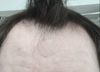
Exploring the idea of using facial hair properties for scalp regeneration in male pattern baldness, considering the potential of transferring androgen-resistant characteristics from facial hair to the scalp. Challenges include complexity, scalability, aesthetics, and safety, but the concept encourages innovative thinking beyond current treatments like Minoxidil, Finasteride, and hair transplants.
Hair loss treatments like minoxidil, finasteride, and dutasteride, with mixed results and suggestions for combining treatments or considering hair transplants. Some users experience no improvement or side effects.
Many people become hyper-aware of hair loss in themselves and others, often leading to feelings of jealousy or self-consciousness. Treatments like finasteride, minoxidil, and dutasteride are commonly discussed as solutions to combat hair loss.
The user "Bishiop" shared a comparison of their hair progress over 9 months using oral finasteride, topical minoxidil, and microneedling. Other users commented on the results and shared their experiences with hair loss treatments.
The user experienced significant hair regrowth with topical finasteride, minoxidil, ketoconazole, and dermarolling, but later faced severe hair shedding after stopping dermarolling and reducing ketoconazole use. Suggestions included switching to oral treatments, resuming dermarolling, and considering lifestyle changes.
A 20-year-old experiencing hair thinning is considering treatments like minoxidil, finasteride, and various oils but is hesitant due to potential side effects. Users advise starting minoxidil and finasteride for effective results, while oils and supplements are seen as less effective.
Hair loss affects confidence, with discussions on treatments like finasteride, minoxidil, and RU58841. Emphasis is placed on self-acceptance and building confidence beyond appearance.
The conversation is about the impressive hair density and hairline of a person, with users attributing it to good genetics and joking about the lack of hair loss despite stress. Specific hair loss treatments like Minoxidil, Finasteride, or RU58841 are not discussed.
The conversation discusses the perception of increased hair loss among young men, with some attributing it to heightened awareness or environmental factors. Various treatments are mentioned, including Minoxidil, Finasteride, microneedling, scalp massages, and future hair transplant methods.
A 41-year-old with over 10 years of hair loss showed progress after 2 months using topical finasteride and minoxidil, dermaroller, DHT blocker shampoo, laser cap, and vitamins B12, Biotin, D3. Commenters are impressed with the results and suggest continued treatment and focus on health for further improvement.
User is depressed about hair loss despite using topical minoxidil for 5 months and topical finasteride for 2 months, with no improvement. Others suggest trying oral finasteride, seeing a specialist for dandruff and oily scalp, and being patient.
A user shared their positive 4.5-month hair regrowth experience using Minoxidil, finasteride, a caffeine shampoo with rosemary oil, a dermaroller with Nizoral, and pumpkin seed oil capsules. They started treatment due to accelerated hair loss and are now seeing no hair fall during shampooing.
Hair loss concerns and treatments like Minoxidil and Finasteride are humorously discussed. The community's quirks and dedication to battling hair loss are highlighted.
A 23-year-old male using minoxidil once daily is concerned about hair loss and hesitant to use finasteride due to potential side effects. Suggestions include adding finasteride, exercise, cold showers, spicy food, infrared exposure, sunbathing, and tretinoin.
The post and conversation discuss hair loss treatments and the uncertainty of their results. Some users suggest that artificial hair systems might be the best solution, while others express preference for maintaining a mature hairline rather than aiming for a youthful one.
A user with diffuse thinning noticed stubble-like hairs on their scalp after using 2% ketoconazole shampoo, dermarolling, castor oil, Vitamin D3, biotin, and iron supplements. They are unsure if this indicates regrowth or miniaturized hairs.
A 24-year-old male is concerned about hair loss, possibly at Norwood stage 3 to 5, and has started using Minoxidil, shampoo, and hair fibers, while planning to get finasteride. He is worried about the shedding process affecting his progress.
Hard water may contribute to an itchy, dry scalp and hair issues, but it doesn't affect genetic hair loss. Some users suggest using distilled water or a water softener to alleviate symptoms.
Hair loss significantly impacts self-perception and attractiveness, with treatments like finasteride, minoxidil, and hair transplants suggested. The conversation highlights the emotional struggle and societal perceptions tied to hair loss.
Low testosterone and estradiol may contribute to hair loss, and blocking DHT without sufficient hormone levels might hinder regrowth. The discussion highlights the importance of hormone balance, with some considering supplements and lifestyle changes to support hair health.
A user's 20 year journey with hair loss and the treatments they have used to manage it, including finasteride, minoxidil, a custom Strut Blend of Dutasteride, Minoxidil, Tretinoin, and Biotin, Nizoral shampoo, multivitamins, Vitamin D, B Complex, Dim, Clomid, exercise, diet, laser helmet, Toppik dark brown, and topical Finasteride. The user also talks about their successful life, lack of desire for children and high sperm count due to Clomid.
The user discussed their hair loss treatment routine, which includes using Minoxidil, caffeine, biotin liquid, and RU58841 twice daily, Nizoral twice a week, and microneedling once a week. They plan to switch to rosemary essential oil after seeing full hair regrowth.
The user is using oral finasteride, topical minoxidil, Nizoral, dermarolling, a hair thickening conditioner, and hair vitamins for hair loss treatment. They stopped taking testosterone due to medical reasons and are now technically on estrogen, but it's unclear if this impacts their hair growth.
The user has been successfully managing hair loss for five years using oral minoxidil and finasteride. They experienced significant improvement and plan to continue the treatment without breaks to maintain results.
A 21-year-old male is using finasteride, minoxidil, and had a hair transplant to address lifelong thin, diffuse hair loss. Progress pictures show changes over two months.
The user has been on finasteride for 8 years to treat hair loss and is experiencing obsessive thoughts about balding. They discuss the psychological impact of hair loss and the different ways people on hair loss forums cope, either by shaving their heads or seeking treatments.