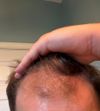
PP405 shows promise in hair loss treatment, but stem cell therapy using adipose-derived stem cells and ATP also successfully reversed androgenetic alopecia in mice. Stem cell therapy is costly, and some doubt the effectiveness of PP405 based on press releases.
A 23-year-old experiencing diffuse hair thinning has chosen a treatment stack including topical finasteride, a blend of rosemary, peppermint, and pumpkin seed oils, procyanidine B2 spray, ketoconazole shampoo, and scalp massages. They avoid minoxidil due to family history of side effects and oral finasteride due to high estrogen levels.
The conversation is about the effectiveness of Breezula for hair loss, with skepticism expressed due to lack of scientific proof and mixed results from those using Breezula and RU58841. Some are waiting for clinical trial results before trying treatments like Breezula and SM04554.
User Topher1999 achieved hair regrowth using Dutasteride 3 times a week and microneedling with Dr. Pen Ultima A6 every 2 weeks for 9 months. They believe microneedling is the main reason for hairline gains.
A user experienced extreme hair growth on their hairline and temples using natural remedies like onion juice, nail rubbing, more veggies and fruits, less carbs, jojoba oil, and dermarolling. They did not use Minoxidil, finasteride, or any prescription drugs.
Quercetin and houttuynia cordata extract may stimulate hair growth by enhancing cellular energy metabolism and increasing growth factor secretion. Quercetin has low oral bioavailability, and its natural tint might stain the scalp if used topically.
A woman with androgenetic alopecia uses Dutasteride and Bicalutamide but feels devastated due to increased sensitivity to DHT. She considers wigs, Minoxidil, and seeks advice on options like spironolactone, hair transplants, and therapy.
Fluridil, a non-steroidal anti-androgen approved for alopecia in parts of Europe, is noted for its low side effects but is not commonly discussed. The user is inquiring if anyone prefers it over other anti-androgens like Spiro or RU58841.
Eating 1g of broccoli seeds five days a week may help with hair regrowth due to their high sulforaphane content. However, caution is advised due to potential health risks from erucic acid in the seeds.
A user reports significantly reduced hair shedding by using a topical mixture containing 10% Minoxidil, 0.1% Melatonin, 5% Azelaic Acid, 5% Rosemary Oil, and 5% Peppermint Oil, and attributes the success mainly to Melatonin. They also use a copper peptide serum (AHK-Cu) for hair growth and Ketoconazole shampoo for scalp cleaning, but have stopped using other treatments like Finasteride and RU58841.
A 50-year-old Black woman with alopecia areata and traction alopecia is seeking a science-based hair loss routine. Current treatments include spearmint tea for DHT levels and considering PRP.
The user shared progress pictures of hair regrowth using 1mg finasteride, 5% topical minoxidil, derma stamping, and rosemary and mint hair oil. Responses varied, with some noting visible regrowth and others questioning the effectiveness of the oils.
A 25-year-old is using a nightly routine of topical finasteride 0.3% and minoxidil 6%, along with a derma roller and Nizoral shampoo, to address crown hair loss. The user reports no side effects and noticeable improvement over 2.5 months.
Vitamin E is suggested as beneficial for hair follicles. Some users question the dosage and effectiveness, while others share positive experiences with vitamins.
The post discusses a hair loss treatment regimen including dermarolling, minoxidil, finasteride, biotin, Nizoral, castor oil, and a power laser comb. The user shares progress pictures to show the effectiveness of these treatments.
Minoxidil can be effectively delivered through nanoemulsions containing eucalyptol or oleic acid, enhancing its diffusivity and targeting hair follicles. This contradicts the advice against mixing minoxidil with oils in topical formulations.
The user is allergic to minoxidil and plans to try Redensyl hair serum and derma rolling for hair regrowth. They cannot start finasteride until age 18.
The user has been taking oral minoxidil and finasteride for 10 months with no hair growth but no further hair loss. They are considering adding rosemary oil and possibly returning to a topical solution.
The conversation discusses using rosemary oil, finasteride, and oral minoxidil for hair loss. Rosemary oil's effectiveness is debated, but it may improve scalp blood flow and hair appearance.
Minoxidil use may worsen seborrheic dermatitis, causing itching and dandruff. Users consider stopping minoxidil or switching to foam to improve scalp condition.
Using a dermaroller with topical minoxidil and oral finasteride regrows hair and improves temple areas. Users highlight the benefits of microneedling tools and stress the importance of consistency and proper sanitation.
FCE 28260 (PNU 156765), an under-explored 5α-reductase inhibitor, showcases promising results in research by Giudici et al., outperforming well-known treatments like Finasteride in reducing the conversion of testosterone to DHT. Its superior efficacy, demonstrated through lower IC50 values in both natural and human recombinant enzyme studies, suggests it could offer more effective management of DHT-related conditions. Additionally, its lower molecular weight hints at better potential for topical application, potentially offering advantages in treating conditions such as androgenic alopecia. Despite its potential, it has not advanced in development, possibly due to financial limitations, leaving its therapeutic prospects and side effect profile largely unexplored.
The user reports taking high dosage oral minoxidil (10mg/day) for hair growth, which causes facial bloating. They tried using the diuretic furosemide to reduce bloating, but it was ineffective.
Tea tree oil shampoo resolved redness, itching, and increased hair thickness for the user, suggesting demodex mites as a possible cause. Nizoral was ineffective, but tea tree oil showed significant improvement over several months.
A female user has experienced severe hair shedding since stopping birth control in late 2022, diagnosed as telogen effluvium with no signs of androgenetic alopecia. Despite healthy living and optimal bloodwork, she continues to shed hair daily but also sees significant regrowth.
A user shared progress on hair regrowth using 5mg oral minoxidil and 0.5mg oral dutasteride daily, noting small hair growth and no significant side effects except bushier eyebrows. The conversation includes encouragement, personal experiences with hair loss treatments, and discussions on the effectiveness of microneedling.
User discusses hair loss treatments including Minoxidil, Finasteride, and RU58841. Various suggestions given, such as topical estrogen, vitamins, and shaving head.