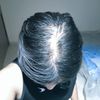
A user stopped finasteride after 15 years due to severe side effects, which improved after quitting. They maintained most of their hair and are considering alternatives like topical treatments or RU58841.
Some embrace baldness, while others promote treatments like minoxidil and finasteride. Opinions differ on accepting baldness versus pursuing hair regrowth.
The user experienced hair regrowth using a chewable combination of oral minoxidil and finasteride without side effects, unlike when taken separately. The treatment is from Hims, and the user is satisfied with the progress, especially on the crown.
.
This user experienced positive results from using a combination of minoxidil and finasteride, with no reported side effects after two months. Others have also shared their experiences with both short-term and long-term use of finasteride.
Federal funding cuts have delayed PP405 research, affecting hair loss treatment progress, though clinical trials will continue. The discussion highlights PP405's potential compared to minoxidil and finasteride and stresses the importance of government-funded research.
Minoxidil 5% topical solution may cause eyesight problems, with some users experiencing blurred vision. The discussion also mentions finasteride's potential side effects, including erectile dysfunction, with varied personal experiences.
A user's nine-month journey of hair growth with treatments including finasteride, minoxidil, and nizoral; some participants thought the user had a hair transplant while others disagreed.
Rapid weightloss may have triggered increased hair shedding. Continuing with finasteride, microneedling, a healthy diet, and supplements like MSM and vitamin B is advised, but results may take 6-12 months.
A 31-year-old male experienced hair shedding after rapid weightloss and stopping vitamins, despite using minoxidil and other supplements. He is considering Saw Palmetto and Pumpkin Seed Oil instead of finasteride due to trying for kids, and is concerned about high ferritin and DHEAS levels.
The conversation discusses the belief that zinc, caffeine, and weightlifting may contribute to hair loss by increasing DHT levels. The original poster plans to reduce zinc and caffeine intake and stop weightlifting to see if it improves their hair condition.
The user shared a one-year progress of treating hair loss with finasteride, minoxidil capsules, and rosemary oil, and also improved mental health by addressing childhood trauma and changing negative thought patterns. Commenters congratulated the user on both hair regrowth and mental health progress, with one asking for advice on overcoming self-hatred and low confidence.
User experienced hair thinning after losing 100 lbs and started Dutasteride treatment. They faced side effects like fatigue, brain fog, and insomnia but no erectile dysfunction.
Exercise has minimal impact on hair loss, with weight lifting slightly increasing DHT and cardio potentially decreasing it. Finasteride and dutasteride are effective treatments for managing hair loss, even for those who exercise regularly.
The conversation discusses hair loss and the potential impact of diet and lifestyle changes, particularly increased protein intake, on hair health. The original poster shared their experience of improved hair appearance after weightloss and dietary changes, despite skepticism from others about lighting differences in photos and the effectiveness of diet alone without finasteride or minoxidil.
A 22-year-old from India is using finasteride, Trichoton AT, and a multivitamin to address hair loss, noticing some regrowth. They are concerned about weight gain and the psychological effects of masturbation but find no strong evidence linking it to hair loss.
The conversation is about someone starting finasteride (fin) and wondering if it will affect their new ketogenic diet and weightlifting routine, with the goal of not disrupting weightloss or muscle gain while regrowing hair.
User experienced hair loss after weightloss and started using finasteride 1mg and a multivitamin called HAIRGRO. They noticed increased oily skin and sebum production and are unsure if they should continue the multivitamin.
User experienced hair loss after weight lifting, had a successful hair transplant, but later faced significant thinning. Current treatment includes finasteride, minoxidil, dermal rolling, and supplements.
Finasteride initially stopped hair loss and improved hair quality but caused weight gain and mild ED. After two years, hair loss resumed despite continued use, leading to consideration of going bald.
A user is concerned about weightloss stagnation while using minoxidil and finasteride during a calorie-cutting diet. Responses suggest water retention or a weightloss plateau as possible causes.
Hair thinning possibly due to rapid weightloss and dietary changes, with no nutrient deficiencies found. The user is taking vitamins and considering seeing a hair specialist to promote regrowth.
A mid-40s male experienced significant hair loss after weightloss, tried minoxidil with no success, then started 1mg finasteride daily, resulting in reduced hair loss and thicker hair in three months. Users expressed amazement and inquired about side effects and improvement timeline.
Hair loss treatments, specifically about the effectiveness of RU58841 compared to Pyrilutamide. Molecular weights and side effects were discussed in terms of efficacy and cost-effectiveness.
A 44-year-old is experiencing rapid hair thinning after weightloss, despite using finasteride for two years. They have added minoxidil, vitamins, ketoconazole shampoo, derma stamping, and are considering PRP treatment while slowly introducing dutasteride.
The user shared progress pictures after 10 months using Dutasteride 0.5 mg (Avodart) and Minoxidil 5% (Kirkland) for hair loss. They also lost weight, improving their appearance and making them look younger.
A 21-year-old with accelerated hair loss due to stress and weightloss is using minoxidil, finasteride, and microneedling to combat balding, despite experiencing a significant initial hair shed. They are committed to continuing treatment for at least three months and are considering switching to topical finasteride if necessary.
A 17-year-old experiencing early hair loss is advised to improve diet and lose weight gradually, as rapid weightloss and poor diet may contribute to hair loss. Minoxidil is not an option due to tachycardia, and finasteride is not recommended before age 18; alternatives like magnesium oil and dermarolling are suggested.
The conversation discusses treating side effects of hair loss treatments. Recommendations include lifting heavy weights, reducing body fat, taking ZMA and D3 supplements, improving diet, taking DIM, reducing finasteride dosage, avoiding alcohol, drinking water, getting quality sleep, and not obsessing over side effects.
A 57-year-old man with male pattern hair loss and insulin resistance experienced hair regrowth and weightloss after using tirzepatide, without other hair treatments. Dysregulated glucose metabolism is linked to hair loss, with tirzepatide potentially improving hair density by normalizing insulin resistance.