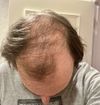
A 21 year old male who has been using finasteride and minoxidil for 3 months to treat hair loss, and others sharing their experiences with the same treatments.
The user reported noticeable hair thickening after 10 days of using oral minoxidil and finasteride, but others suggested it might be an April Fool's joke or a placebo effect. The user also mentioned a high protein intake and regular gym workouts, while others discussed concerns about finasteride's side effects.
Creatine does not cause hair loss, but it may accelerate it in those predisposed to male pattern baldness. The study suggests that creatine does not affect DHT or hair loss, but individual reactions may vary.
A user shared their experience with hair loss treatments, including RU58841, ketoconazole shampoo, caffeine shampoo, and topical finasteride. They found RU58841 effective for diffuse thinning but experienced severe hair loss after stopping it; topical finasteride worked well for a receding hairline but caused side effects. They also use a charcoal shampoo and practice scalp massages.
Finasteride is recommended for hair loss treatment, with potential side effects like erectile issues in 1 in 33 users, which typically resolve after stopping the drug. Users report mixed experiences, with some experiencing initial side effects like brain fog and others seeing no issues, and the drug is generally considered effective for maintaining or regrowing hair.
The user experienced severe side effects from finasteride, including hormonal imbalances and cognitive issues, leading to a recommendation to stop its use. They plan to follow up with tests to rule out a pituitary tumor and are considering topical treatments as alternatives.
Young men experiencing hair loss are frustrated with advice to embrace baldness without exploring treatments. They advocate for using finasteride and minoxidil, considering hair transplants, and hope for future advancements in hair restoration.
The user experienced hair regrowth with dutasteride but later lost progress despite using minoxidil foam and dermastamping. Suggestions included reducing dermastamping frequency, conducting blood tests, and considering oral minoxidil or different brands of dutasteride.
A 24-year-old woman with AGA and TE since age 14 is questioning if her hair is regrowing or breaking. She has been using minoxidil consistently since September 2025, along with caffeine and ketoconazole shampoos, rosemary oil, and saw palmetto, and has improved her overall hair care routine.
The user experienced significant hair regrowth by returning to a regimen of 1mg oral finasteride daily and daily topical minoxidil after previously reducing their doses. They also emphasize maintaining energy and health through diet, exercise, and supplements.
A dermatologist advised against using minoxidil and finasteride for hair loss, suggesting acceptance instead, but the individual is considering seeking finasteride from a family doctor. The conversation includes suggestions to try online services or pharmacies for obtaining treatments like finasteride, minoxidil, and ketoconazole shampoo.
The user is experiencing significant hair loss and is considering treatments like minoxidil, finasteride, and possibly a hair transplant. They are advised to consult a dermatologist and consider oral minoxidil and dutasteride, while being aware of potential side effects and the need for ongoing treatment.
A 36-year-old achieved significant hair improvement and stability over 26 months using oral finasteride, minoxidil foam, microneedling, and ketoconazole shampoo, with no side effects. Patience and consistency were crucial for increased hair density and reduced shedding.
Creatine is not proven to cause hair loss, but some report increased shedding, especially with male pattern baldness. Finasteride or minoxidil are suggested to counteract potential hair loss while using creatine.
Reducing scalp DHT doesn't directly correlate with preventing hair miniaturization, as different follicles have varying sensitivity levels. Dutasteride at 0.5 mg and 2.5 mg shows minimal visual difference in hair regrowth, with side effects being a consideration for higher doses.
A 19-year-old using finasteride for hair loss seeks advice on additional treatments. Suggestions include microneedling, minoxidil, and ketoconazole shampoo, with concerns about side effects discussed.
Creatine may cause hair shedding and texture changes, with mixed user experiences. Combining creatine with finasteride doesn't always prevent these effects, possibly due to individual DHT sensitivity.
A 27-year-old shared a 90-day hair loss treatment update using Dutasteride, Minoxidil, Tretinoin, Ketoconazole, and microneedling, reporting positive results with improved hairline and density. They experienced minor side effects and noted a decrease in hair shedding.
Haircafe is generally trusted for hair loss information, particularly for his evidence-based approach and recommendations of finasteride, dutasteride, and minoxidil. While some users appreciate his scientific focus and lack of product promotion, others criticize his dismissal of anecdotal evidence and certain biases.
The user experienced reduced hair shedding with Ketoconazole shampoo, suggesting it may help with scalp inflammation and hair health. They also use Minoxidil and Finasteride, and suspect food intolerance and stress contribute to their hair issues.
The user plans to lower their oral minoxidil dose from 5 mg to 2.5 mg to reduce side effects like puffiness and hypertrichosis, while also using finasteride and accutane. They are considering caffeine serums for puffiness and discussing dietary changes or switching to topical minoxidil to address bloating.
A user experienced significant hair regrowth after improving their diet, getting sunlight, taking a multivitamin, and exercising, following a period of extreme calorie restriction and hair shedding. Others in the conversation attribute the hair regrowth to increased calorie intake rather than just vitamins.
The conversation discusses various treatments for hair loss, including finasteride, minoxidil, keto shampoo, derma stamping, vitamin D, and dutasteride. It also mentions lifestyle changes like exercise, quitting smoking, and dietary supplements.
Exercise temporarily increases DHT levels, but this is unlikely to cause significant hair loss. Finasteride and minoxidil are effective treatments to manage hair loss.
A 20-year-old shared progress on hair regrowth after 7.5 months of minoxidil and 2 months of finasteride, reporting no negative side effects and healthier hair. The user also improved their diet, stopped creatine, and experienced positive changes in hair and overall appearance.
Creatine does not increase DHT levels, but some report hair loss when using it, possibly due to other factors. The effects on hair loss vary individually, with no clear connection established.
Elon Musk likely had at least two hair transplants and uses finasteride or dutasteride to maintain his hair. He may also use a hair system or prosthetic hair.
Athletes often use finasteride to maintain hair transplants, but some avoid it due to potential hormonal effects. Notable examples include Mo Salah and Conor McGregor, while LeBron James has had multiple procedures with varying success.
Intermittent fasting may inhibit hair growth by triggering a stress response that affects hair-follicle stem cells. Some users believe genetics and DHT play a larger role in hair loss, and treatments like Minoxidil and Finasteride are mentioned as ineffective for some.