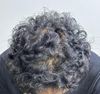
User experienced hair regrowth after 5 months on oral minoxidil and finasteride. Others praised the impressive results and mentioned the importance of combining treatments for best results.
People making comments on others' hair loss, and the different strategies used to deal with it. Treatments mentioned include finasteride and minoxidil.
The conversation warns about taking information on pyrilutamide with skepticism, suggesting that many may not have the genuine product. It advises to wait for FDA approval for reliable information.
The conversation is about the potential effectiveness of a hair loss treatment called pyrilutamide. One person has been using it since September and reports positive results.
The conversation is about seeking alternatives to finasteride for hair loss treatment due to concerns about sexual side effects, with pyrilutamide mentioned as a potential alternative.
This user reported successful hair growth after using 1mg finasteride and 1ml of 5% minoxidil daily for a year, prompting other users to suggest additional treatments such as microneedling. The before picture was taken prior to the use of these treatments.
Dr. Kyle Gillet mentioned on Dr. Andrew Huberman's podcast that dutasteride mesotherapy blocks DHT conversion only in the scalp and is the most promising topical treatment. Users discussed concerns about systemic absorption and the practicality of dutasteride injections.
Using a silicone scalp massager may help with dandruff and potentially improve the absorption of minoxidil and finasteride. The user has noticed peach fuzz growth after using minoxidil for over a month and finasteride for almost a month.
Potential side effects of 5AR inhibitors like finasteride and dutasteride. Users debate risks, benefits, and personal experiences with these hair loss treatments.
A user shared their long-term struggle with hair loss and various treatments, including Minoxidil, biotin, and dermarolling. They also discussed a disappointing experience with a hair health institute that provided dubious recommendations and expensive remedies.
Korea launched its first OTC oral hair loss drug, dexpanthenol B5. Users discuss its anti-oxidative and anti-inflammatory effects but note a lack of efficacy studies.
The conversation is about using valproic acid, an anti-seizure medication, as a topical treatment to promote hair growth. The original poster is seeking personal experiences from those who have tried this method.
OP has been using finasteride for almost 2 years and is asking if it's okay to take it with vitamins like vitamin C, multivitamins, and fish oils. Another user mentions taking all vitamins together, usually with a small meal.
The conversation humorously outlines the progression of hair loss and the increasing desperation for treatments, starting with vitamins and dermapen, moving to finasteride, then to dutasteride and experimental chemicals, and finally to acceptance with shaving or hoping for hair cloning. Some users agree with the accuracy, while others question if it's a joke.
The conversation discusses the high cost of CB-03-01, a topical antiandrogen for hair loss, which is considered safe and remains localized upon application. It questions whether the expense is justified compared to the lower risks it poses relative to finasteride.
The user has been taking finasteride for a year, experiencing no major side effects except watery semen, and has noticed healthier, thicker hair with some regrowth but mostly maintenance. They also use Nizoral for dandruff, take supplements like D3 and fish oil, and plan to continue finasteride while waiting for new treatments.
The conversation discusses using Rogaine (Minoxidil) and ketoconazole for hair regrowth, with interest in trying a formulation with Azelaic Acid for potentially better results. Concerns about Azelaic Acid's effectiveness and safety, including skin sensitivity to sunburn, are mentioned.
A 29-year-old male using dutasteride 0.5 mg and oral minoxidil 5 mg for 1.5 years experienced reduced hair shedding and improved density, but recently noticed increased shedding. He is concerned if this change is normal.
The user stopped taking finasteride 3 months ago due to concerns about Post Finasteride Syndrome but continues using minoxidil. They are seeking advice on whether to expect hair shedding, if they should resume finasteride, or if bloodwork would provide clarity.
A 35-year-old has been using finasteride and minoxidil foam for 6 years with good results but is considering switching to dutasteride due to concerns about crown thinning. They are seeking advice on whether switching to dutasteride helped others and if it caused any side effects.
The conversation discusses concerns about potential cognitive and emotional effects of finasteride, with the original poster planning to monitor their cognitive performance while using the treatment. A user responds that most people do not experience cognitive shifts, though some report subtle changes.
A 19-year-old male is considering switching from topical to oral Minoxidil and finasteride due to unsatisfactory results but is concerned about potential side effects. It is suggested to start with low doses of oral versions to test tolerance, as they may be more effective but carry higher risks.
The user shaved their head, received positive feedback, and was advised to trim their beard. Friends suggested using finasteride and minoxidil for hair maintenance.
A 22-year-old is experiencing hairline thinning and has been using topical minoxidil for a year without significant improvement. They are considering finasteride despite concerns about side effects and are seeking reassurance and advice from others with similar experiences.
The user reported significant hair regrowth over four months using oral minoxidil, dutasteride, and biotin. They take 0.5mg dutasteride, 2.5mg minoxidil, and 10mg biotin daily, with occasional extra biotin.