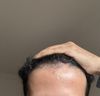
Considering alternative treatments to hair loss, such as platelet-rich plasma (PRP) and exosome therapy, instead of using medications like minoxidil, finasteride/dutasteride.
Finasteride users report reduced libido and increased hair shedding initially, but some see these as temporary or manageable side effects. Vitamin E and D-3 supplements are discussed as potential aids for libido and mood.
The conversation humorously discusses hair loss treatments, specifically finasteride and minoxidil. Users joke about side effects and suggest using seaweed for white hair.
The user is concerned about hair thinning and has been using finasteride 1mg and minoxidil 5%, along with Alpecin caffeine liquid and vitamins. Others suggest continuing the treatment, as it seems to be stabilizing the hair, and advise against stopping the medication abruptly.
The user noticed new baby hairs after using sulforaphane but is still experiencing shedding. They are seeking a supplement to stop shedding, possibly grape seed extract.
A 24-year-old male started using finasteride, minoxidil, biotin, and vitamin D for hair loss but noticed worsening thinning and white patches on his temples. He seeks advice on improving his regimen, which includes topical minoxidil and a shampoo for seborrheic dermatitis.
Treating hair loss with finasteride, dutasteride and minoxidil, as well as micro-needling, potentially using research chemicals such as Pyril and Senzu Beans.
The user started finasteride and derma rolling for hair loss, later switching to wet cupping therapy. They experienced initial shedding but reported thicker, healthier hair over time, using natural hair wash methods like Amla, Reetha, and Shikakai.
Regenera Activa and exosome therapy are discussed for hair loss treatment, focusing on their effectiveness for regrowth, thickening, or reducing shedding. Users are seeking experiences and results from these treatments.
After quitting minoxidil 100 days ago, OP is experiencing significant hair shedding, which began a week after stopping and worsened in March. Suggestions include calming the scalp, ensuring adequate protein and iron intake, and consulting a doctor if shedding persists.
L. reuteri, a probiotic, is being explored for its potential benefits in treating androgenic alopecia, possibly enhancing finasteride's effects and reducing inflammation. The user combines this with finasteride, oral minoxidil, and other supplements, noting some improvement in hair loss.
The conversation is about the FDA approval of WINLEVI for acne treatment and the anticipation of Breezula, a hair loss treatment using the same active ingredient, which may indicate a positive future for Breezula's release. There is disappointment that Breezula's results are not optimal, but it is seen as progress in hair loss treatment.
User discusses using finasteride, ketoconazole, fish oil, nettle root, saw palmetto, emu oil, and plans to start minoxidil for hair loss. They report maintaining hair with minor side effects like slightly lower libido and watery semen.
Iron supplements can help improve hair thinning and brittle skin, but recovery time varies based on individual factors like ferritin levels and absorption rates. Regular blood tests are recommended to monitor ferritin and iron levels.
Hair loss discussion mentions fibers like toppik becoming difficult to use and questions if there's a better alternative, such as a spray or dermmatch.
Soy consumption may help prevent androgenic alopecia, but it can decrease sexual drive in some men. There is a connection between soy and androgenic alopecia, suggesting a potential protective effect.
The conversation discusses the potential of Replicel/Shiseido treatment for hair loss, questioning its effectiveness, whether it grows new follicles, and its market release timeline. It also compares Replicel to other competitors like Kyocera/RIKEN/Tsuji.
The conversation humorously discusses using a full head wig for hair, beard, and perfect skin, with mentions of treatments like finasteride, RU58841, and microneedling. It highlights a shift from serious hair loss discussions to satire and memes.
A 21-year-old male is experiencing hair thinning and has undergone PRP treatment while considering finasteride but is concerned about its side effects. A user suggests that PRP is ineffective without finasteride and advises against using biotin.
A 31-year-old uses Minoxidil, RU58841, Reviv Hair Serum, and Ketoconazole shampoo for hair loss but avoids finasteride. They plan to reintroduce red light therapy (LLLT) and Eucapil despite previous shedding concerns.
The user has been using 1 mg finasteride, topical minoxidil twice daily, 1 biotin vitamin, and a 0.5 mm dermaroller for hair loss treatment since April. They've seen progress but experienced a shedding event in October, and are hoping for increased density in the coming months.
The conversation is about a user experiencing accelerated hair loss after starting vitamin D3 supplements, suspecting a link between the supplement and increased DHT levels. The user decides to stop taking the supplements, preferring natural sources of vitamin D.
User's 2-month progress with hair loss treatment includes Ket 3x a week, Min 2x a day, Dut 0.5 every other day, Vit D 125mcg daily, and PRP once a month. Users discuss treatment effectiveness, side effects, and alternative solutions.
A user shared a success story showing hair regrowth over 10 years, attributing it to quitting creatine and taking 0.5mg finasteride. Some commenters were skeptical about creatine's impact, while others inquired about side effects, and the original poster reported no negative effects from finasteride.
PP405 shows promise for hair regrowth by manipulating stem cell characteristics and lactate dehydrogenase, with Phase 2a trials pending. Google Ventures' $15M investment suggests confidence, but results and market availability remain uncertain.
The user experienced significant hair improvement after 15 months of treatment, using finasteride initially, then switching to dutasteride, and recently adding topical minoxidil. They credit their progress to dutasteride and support from Haircafe, a YouTuber.
Creatine does not cause or worsen hair loss, despite some anecdotal reports of hair thinning. The discussion emphasizes that these reports are not supported by scientific evidence.
Creatine may increase DHT levels, potentially affecting hair loss in some individuals, but opinions vary. Some users report hair loss while on creatine, while others see no effect, especially when using treatments like finasteride, minoxidil, and microneedling.
Hair loss discussion includes treatments like Minoxidil, finasteride, and RU58841. Conversation focuses on foods with sufficient procyanidin b2, such as dark chocolate and apples, and the required dosage.
Creatine use with finasteride increased DHT levels, possibly affecting hair loss. The user plans to reduce creatine to stabilize DHT and hair shedding.