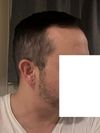
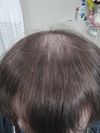
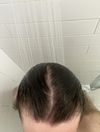
The user is pleased with their hair transplant results after six months and seeks feedback. The conversation is positive, with others affirming the success of the procedure.
Follica's preferred microneedling protocol for hair growth, which includes needle depth, frequency and movement parameters as well as the use of topical treatments such as minoxidil and finasteride.
People are discussing the group buy and availability of KX-826 for hair loss treatment, with shipments expected around March-April. There is interest in finding more information and joining future group buys.
The conversation discusses using dutasteride once a week to boost finasteride's effectiveness in treating hair loss, with some users reporting fewer side effects and cost savings. Others share experiences with different dosages and combinations, including minoxidil and topical treatments, to find a balance between effectiveness and side effects.
Daily microneedling at 0.25mm before applying minoxidil is debated, with some suggesting weekly microneedling is safer and more effective. Concerns include potential skin damage and systemic absorption, while alternatives like tretinoin are considered safer for enhancing minoxidil absorption.
The post discusses a user's hair loss treatment involving Dutasteride 2.5 mg 5 times per week, Finasteride 1mg 4 times per week, RU58841 daily, and Minoxidil twice daily. A reply suggests that the combination is excessive, particularly the use of both Dutasteride and Finasteride, and labels it as a "chemical castration protocol".
The user experienced worsening hair thinning despite using finasteride, minoxidil, and ketoconazole shampoo, and switched to dutasteride five months ago. They are considering adding tretinoin and microneedling to their routine for better results.
The conversation discusses the effectiveness of KX-826 for hair loss and questions how long it should remain on the scalp before washing or sweating. It also mentions treatments like Minoxidil, finasteride, and RU58841.
A 42-year-old male has been using finasteride successfully for over 10 years but is now experiencing thinning at the crown. He is considering adding minoxidil or switching to dutasteride for better results.
A 24-year-old male is experiencing hair thinning and feels hopeless, considering treatments like finasteride and minoxidil but is concerned they might not work. He is also contemplating a dermatologist visit and is unable to afford a hair transplant.
Quercetin might help with hair loss by inhibiting HSP-70, which increases androgen receptors. Concerns include its staining properties and unclear topical absorption.
The user plans to use a "nuclear protocol" for hair improvement, including topical minoxidil 12.5%, topical finasteride 0.1%, and tretinoin 0.05%, with microneedling once a week. They have seen improvements with minoxidil and are seeking opinions on their approach to achieve thicker hair.
The conversation discusses hair loss treatments, specifically the use of finasteride and minoxidil in a topical compound, along with microneedling. Users share progress and experiences, noting significant hair growth and improvements over time.
OrganTech is working on regenerating hair and teeth, with positive results in mice, but skepticism remains about progress for humans. Users express frustration over the lack of advancements in human hair loss treatments, despite ongoing research and trials.
The conversation is about the accidental taste of Nizoral shampoo, which contains ketoconazole, during hair washing. Specific hair loss treatments mentioned are Minoxidil, Finasteride, and RU58841.
A satirical discussion about a hair transplant, with humorous comments on graft placement and clinic choice. The conversation includes references to a "Rebuild a Scalp Clinic" and jokes about using pubic hair and overharvesting.
The conversation discusses hair loss, scalp buildup, and treatments like Nizoral shampoo, Minoxidil, and dietary changes to address seborrheic dermatitis and iron deficiency. The user plans to improve their hair condition with a good routine, Nizoral, and diet adjustments.
The user started oral minoxidil, finasteride, and later switched to dutasteride, also using Nutrafol, dermastamp, and ketoconazole shampoo, but experienced increased thinning with little regrowth. Others advised patience, suggesting it takes 6-18 months to see results, and noted that initial thinning is normal when switching treatments.
The user is frustrated with ongoing hair loss despite using treatments like dutasteride, finasteride, and minoxidil, and is considering shaving their head. They are advised to maintain consistency with medication, consider oral minoxidil, and explore hair transplant options.
A 21-year-old experiencing diffuse thinning is considering switching from finasteride to dutasteride after using topical and oral minoxidil and finasteride. They have seen some regrowth but are concerned about overall density loss, especially at the crown.
User "hairlossblows" shares their positive experience with minoxidil, microneedling, and finasteride for hair loss treatment. They report significant hair regrowth, especially in the hairline, and minimal side effects from finasteride.
JeremySoCa's DHT level was 29 ng/dl, considered low, and Estradiol was 26.1 pg/dl within the normal range. They are using topical finasteride for hair loss and had a thyroidectomy due to Graves' disease.
The conversation discusses maintaining hair regrowth using minoxidil and finasteride and whether using gt20029, which degrades androgen receptors, would affect this. Fluridil, a similar treatment, can disable over 90% of active androgen receptors.
The conclusion of the conversation is that the user "lemmeseesomeass" has experienced significant hair regrowth using a combination of RU58841, dutasteride, and minoxidil. They mention that RU58841 is effective but not medically approved. They provide instructions on how they use RU58841.
The conversation is about comparing the effectiveness of fluridil and clascoterone in preventing hair loss and inquiring about their use as standalone treatments. There is a question about the concentration of the fluridil brand for efficacy.
The user experienced excessive bleeding during microneedling after consuming caffeine and THC, and is unsure if they should continue with the same routine. They are seeking advice on whether the bleeding is a cause for concern.
A user who initially had positive results with oral finasteride, topical minoxidil, and microneedling for hair loss, but experienced side effects like fog and depression. After stopping and losing progress, they restarted with topical treatments and microneedling, reporting good results and no side effects.
A 33-year-old male is documenting his hair regrowth progress using minoxidil, red light therapy, copper peptides, and micro-needling, with noticeable improvement in hair thickness and coverage. He plans to add a topical finasteride/minoxidil spray and aims for a shadow on his scalp rather than a full head of hair.