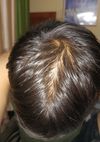
The user reported significant hair density improvement after 35 days using finasteride (1.25 mg) and 5% minoxidil. Some users are skeptical, while others believe the progress is genuine.
The user is considering switching from topical to oral minoxidil for convenience and better hair regrowth, despite concerns about side effects. They are also tapering off finasteride while starting dutasteride.
The user is considering switching between topical minoxidil (10%) and oral minoxidil (2.5mg) to manage hair shedding around the temples, while also using a dermaroller and biotin. They are concerned about the potential side effects of oral minoxidil, such as hypertrichosis, and the impact on hair shedding if they stop using it.
Dutasteride tablets are less effective than softgel capsules because they require a fat-based environment for proper absorption. Softgel capsules, like Avodart, are designed to maximize bioavailability, while powdered tablets may result in significantly lower DHT suppression.
The user started using topical finasteride 0.5% and minoxidil 3% for hair regrowth after 8 years of slow thinning and experienced impressive results in 3 months. Some users suggest switching to 5% minoxidil for better effectiveness, while the user reports minor side effects like itchiness and scalp pimples.
PP405 is seen as promising but uncertain, with users advised to continue using existing treatments like minoxidil and finasteride. Concerns include its cost, availability, and interaction with hair transplants, while some hope it could complement current treatments.
The user experienced significant hair regrowth using 1.25 mg finasteride daily and inconsistent oral minoxidil, with no side effects reported. Finasteride primarily increased hair density, while minoxidil contributed to thicker, healthier hair.
An 18-year-old is experiencing hair thinning and considering treatments like scalp massages, vitamin D supplements, Minoxidil, and dermarolling to improve hair density while maintaining blonde hair. They are concerned about potential hair darkening from Minoxidil and seek advice on preserving their hair color and health.
The user experienced hair thinning in the middle of their head despite using finasteride and minoxidil and having a hair transplant. They are concerned about the thinning and considering shaving their head, while being advised to continue treatment and manage stress.
A treatment showed a 20% hair density increase in weeks, with nearly a third of participants experiencing significant results, while questions remain about its long-term efficacy and effectiveness across different scalp areas. There is interest in combining it with finasteride and minoxidil for potentially better outcomes.
PP405 and GT20029 are new hair loss treatments with different mechanisms from traditional options like Minoxidil and Finasteride. PP405 targets hair follicle stem cells to reactivate growth, while GT20029 works as an androgen receptor deleter, both requiring ongoing use for effectiveness.
The user is experiencing side effects from Dutasteride 0.5 mg and is considering reducing its frequency or switching back to Finasteride, while continuing with Minoxidil 2.5 mg to preserve their hairline. They are unsure if the increased Minoxidil dose is sufficient for regrowth.
The user shared their successful hair regrowth progress using minoxidil, finasteride, and a dermastamp over six months. They reported no shedding and used Kirkland liquid minoxidil and oral finasteride, while also managing dandruff with Nizoral shampoo.
A 21-year-old started taking 1mg Finasteride daily for hair loss and considered adding Minoxidil for temple regrowth, questioning if stopping Minoxidil would cause hair loss despite continued Finasteride use. Responses suggest Minoxidil-induced hair requires ongoing use to maintain, while Finasteride alone may not sustain Minoxidil gains, with some recommending microneedling or topical applications to enhance results.
The user switched from finasteride to dutasteride and initially experienced increased energy and libido but is now facing erection issues. They are unsure if it's due to performance anxiety and are seeking advice while wanting to continue dutasteride for its benefits.
The user is happy with hair regrowth after using Minoxidil foam, Finasteride, and Nizoral shampoo. Some users doubt the authenticity of the results, while others share their own experiences with hair loss treatments.
Foam minoxidil may be a good alternative for those who experience irritation from liquid minoxidil, though opinions on its effectiveness vary. Some users suggest oral minoxidil as a more effective option with fewer side effects at low doses, while others recommend foam or alcohol-free topical versions for sensitive scalps.
PP405 is a new drug in Phase 2 trials for hair loss, generating cautious optimism among users. Some users are currently using finasteride and experiencing side effects, while others are skeptical about unapproved products being sold.
A user shared their hair restoration journey after a botched transplant, highlighting successful results with 8000 grafts and 5mg oral minoxidil, while choosing not to use finasteride due to potential side effects. The user reported no side effects from minoxidil, except for extra body hair, and expressed satisfaction with the current results.
Dutasteride and minoxidil initially stopped hair loss, but a minoxidil allergy led to hair thinning. Alternatives suggested include oral minoxidil, microneedling, and ketoconazole shampoo while continuing dutasteride.
A 22-year-old male is switching from topical to oral minoxidil due to limited results with topical use, while continuing oral finasteride and considering side effects. Users discuss experiences with oral minoxidil, noting potential side effects like swelling and headaches, but also its effectiveness compared to topical treatments.
Tretinoin may enhance the effectiveness of minoxidil for hair regrowth by increasing enzyme activity and skin permeability, but its standalone impact is limited. Some users experienced improved hair growth with tretinoin, while others found it worsened their condition.
The conversation discusses the effectiveness of official and gray market Pyrilutamide for hair loss. One user experienced chest pain with the gray market version, while another found the official Koshine version mildly effective.
Finasteride is recommended for hair loss starting at age 17, with some users suggesting starting even earlier. Minoxidil is also suggested as an option, while lifestyle changes like diet and exercise are noted as beneficial for health but not effective for slowing genetic hair loss.
The conversation is about hair loss treatments, with users recommending Finasteride and Minoxidil as the gold standard. They suggest microneedling and laser therapy as cost-effective home treatments, while expressing skepticism about the expensive clinic treatment and V2X product.
The conversation discusses hair loss treatments, specifically the use of minoxidil and the potential addition of finasteride. The user has seen some progress with minoxidil but is hesitant about finasteride due to possible side effects, while others suggest combining both for better long-term results.
Eucapil, containing fluridil, is used for hair loss but has impractical packaging. Some users find it effective for maintenance, while others suggest alternatives like anageninc with pyrilutamide.
A 20-year-old diffuse thinner has been using finasteride for 8 months and is considering adding minoxidil to their routine. A user suggests incorporating minoxidil for quicker regrowth, despite the hassle of daily application, while continuing finasteride.
Switching from finasteride to dutasteride can initially increase hair shedding, but some users eventually see improvement. Experiences differ, with some finding dutasteride more effective, while others face worsening hair loss or side effects.
The conversation discusses using hormones like pregnenolone and tongkat ali to counteract sexual side effects from hair loss medications such as finasteride, dutasteride, ketoconazole, and minoxidil. The user stopped the other medications but continues using minoxidil while seeking advice on maintaining libido.