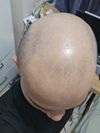
Taking proactive steps to manage hair loss such as using finasteride, minoxidil, and a derma pen; having hobbies, paying attention to those around you, exercising, and doing more good than harm.
A user's transformation from an accountant to a spartan with a full beard, discussing the potential of DUPA and alopecia areata, as well as treatments like vitamins, topicals, and natural treatments for potential regrowth.
Finasteride was intentionally developed to treat BPH and later approved for male pattern baldness (MPB) due to its 5AR inhibition effects. The delay in MPB approval was due to concerns about off-label use for female hirsutism and the prioritization of treating a more debilitating condition.
The user has been taking 0.5 finasteride for 10 months and wants to repeat blood tests, including estradiol. However, their doctor is reluctant to test estradiol, arguing it's typically low in men, and the user is considering seeking a second opinion.
Dutasteride significantly reduces DHT levels, potentially more effectively than finasteride, and is used to treat hair loss. Some users report side effects like reduced libido and mood changes, while others experience hair regrowth and increased testosterone.
Selecting a hair transplant clinic requires avoiding pitfalls like prioritizing quantity over quality and aggressive sales tactics. Ensure the clinic uses experienced surgeons and recommends treatments like minoxidil and finasteride before a transplant.
ET-02, a new hair loss treatment, shows promising results with a 6-fold increase in hair count, potentially outperforming minoxidil by activating stem cells in hair follicles. Further trials are ongoing to confirm its efficacy and safety, with potential market release in the future.
Hair regrowth treatments for cis-males include Minoxidil, Finasteride, and RU58841. Estrogen and testosterone blockers can help restore hair loss but may not suit everyone.
Pp405 is discussed as a potential hair loss treatment, with humorous suggestions about rectal administration for increased effectiveness. Users joke about unconventional methods and express willingness to try anything for hair regrowth.
A 29-year-old considering hair loss treatment received advice to explore a theory on androgenic/anabolic balance and was encouraged to read a beginner's guide for better recovery chances. The user expressed gratitude and willingness to try the suggested approach.
The user shares their experience with hair loss treatments, specifically finasteride, and discusses the side effects like lowered libido and motivation. They recommend trying tyrosine to counter these effects, noting it improved their libido and energy levels.
A 43-year-old man noticed hair thinning due to stress and started using Minoxidil, supplements, and specific shampoos, seeing improvement after 7 months. He is hesitant to add Finasteride due to fear of side effects but is managing stress better and feels more confident.
Creatine supplementation may increase DHT levels, potentially affecting hair loss. A study is examining this effect, with participants taking 5 grams of creatine daily for six months.
Young men experiencing hair loss are frustrated with advice to embrace baldness without exploring treatments. They advocate for using finasteride and minoxidil, considering hair transplants, and hope for future advancements in hair restoration.
The conversation critiques the influence of "Clavicular" on young men regarding hair loss treatments, highlighting the dangers of following unscientific advice and the rise of body dysmorphia. It emphasizes the importance of safe, medically advised treatments like minoxidil, finasteride, and dutasteride, while warning against reckless experimentation and early surgeries.
A 36-year-old man shared his one-year progress using 1mg oral finasteride and 5% topical minoxidil twice daily, showing significant hair regrowth on his hairline, eyebrows, and beard. He reported no major side effects, except for some eye irritation from minoxidil application near the eyes.
A 35-year-old man has been using Finasteride 1mg daily for 4.5 months with no noticeable effects on hair loss, and he is considering adding Minoxidil to his treatment. Other users suggest that significant improvements may take up to 18 months and recommend additional treatments like Minoxidil, microneedling, or switching to Dutasteride.
Hair loss is influenced by genetics and sensitivity to hormones like DHT. Treatments like Minoxidil and finasteride are commonly used, and baldness persists as it doesn't affect reproductive success.
The user experienced a significant drop in libido and erectile issues after increasing their finasteride dosage, combining oral and topical treatments. They plan to take a break and resume using a lower concentration of topical finasteride to manage side effects.
The conversation discusses the use of creatine while on finasteride and/or dutasteride for hair loss. Opinions vary, with some users reporting no issues and others experiencing accelerated hair loss, suggesting effects are individual.
User experienced hair loss improvement after 7 months using finasteride, zinc, vitamin D, minoxidil, and microneedling. Others praised the progress and discussed the importance of zinc and vitamin D in hair health.
A user experienced severe sexual side effects and man boobs after 11 months of finasteride use, despite initial positive results for hair growth. They are discontinuing finasteride and caution others about potential risks, suggesting that side effects may be more common than reported.
A woman who is experiencing Female Pattern Baldness and struggling to cope with it; she has tried a few treatments but is not satisfied with the results and feels like her femininity has been taken away from her. The conversation includes advice on possible treatments such as Minoxidil, Finasteride, RU58841, and lifestyle changes.
PP405 is expected to be more expensive than finasteride and minoxidil initially due to patent protection, but not as costly as life-saving medications like Ozempic. The price may decrease after the patent expires, but initially, it might be around $100 per month, making it potentially unaffordable for many.
PP405 is in phase 2 trials for hair loss, with discussions on its cost and effectiveness compared to minoxidil and finasteride. Users are skeptical about its efficacy and timeline, with hopes for market release by 2027.
The conversation discusses interest in participating in PP405 trials for hair loss treatment, with users expressing uncertainty about eligibility due to location. Participants are eager for updates and willing to pay for shipping if trials are limited to America.
Concerns about the potential high cost of new hair loss treatments, pp405 and gt20029, were discussed, with some users willing to pay a premium if they are effective. Alternatives like finasteride and minoxidil are mentioned as current, more affordable options, and there is speculation about future generic versions and black market availability.
Pelage secured $120 million for PP405, a non-hormonal topical hair loss treatment, sparking debate on its potential as a breakthrough. Concerns about finasteride's side effects persist, with some suggesting alternatives like topical finasteride or dutasteride.
People discuss the high cost of brand name finasteride and dutasteride, suggesting generics as cheaper alternatives. They share prices from various regions, highlighting significant cost differences.
Dutasteride is expensive in the EU, prompting consideration of buying it from Turkey or using alternatives like finasteride, minoxidil, and bicalutamide. Users discuss challenges in obtaining prescriptions and the affordability of treatments in different regions.