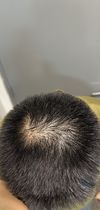
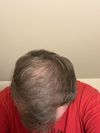
KY19382, a promising compound for hair loss, is not widely discussed or used. One user is currently testing it and plans to share results in a few weeks.
The conversation is about a user's hair regrowth progress using topical minoxidil, with plans to start finasteride. The user also takes Vitamin D and washes their hair 2-3 times a week.
Ashwagandha topical formulation may increase hair density and reduce hair loss, but results seem too good to be true due to a small sample size. Users are skeptical about its effectiveness and are experimenting with different application methods.
A 22-year-old from India is using finasteride, Trichoton AT, and a multivitamin to address hair loss, noticing some regrowth. They are concerned about weight gain and the psychological effects of masturbation but find no strong evidence linking it to hair loss.
A user shared their positive hair regrowth progress after using 1 mg oral finasteride and 5% minoxidil foam twice daily for four months. They experienced initial shedding but no side effects, and plan to switch to a cheaper minoxidil foam brand.
The conversation discusses hair regrowth progress from Norwood scale 4 to 2.5 over a year using daily 8.5-9% RU58841, topical Dutasteride 0.1%, RU58841 5% 1.5 times a week, and daily caffeine redensyl scalp treatment.
A user suspects Ritalin is causing hair loss due to vasoconstriction and is considering trying Ginkgo Biloba after already taking a multivitamin and hair supplement. Another user mentions experiencing hair shedding with Vyvanse and Dexedrine.
The struggles of hair loss at a young age and available treatments, such as medication (Finasteride, Minoxidil, Dutasteride, Derma Rolling) and potential options for hair systems or cloning in Japan. People discussed their own experiences with trying to cope with the emotional aspects of this condition.
The user is considering another hair transplant or scalp micropigmentation (SMP) for a congenital bald spot, but previous transplants were less effective due to scar tissue. Suggestions include using hair fibers, changing hairstyles, or doing nothing, as the spot is not very noticeable.
Clascoterone shows promising results for hair regrowth in men with androgenetic alopecia, with potential FDA approval by 2026. It acts as a topical androgen receptor blocker, offering a new treatment option with minimal side effects compared to existing treatments like finasteride.
The user successfully regrew hair using Finasteride, Minoxidil, and microneedling, achieving thicker hair and a fuller hairline. They recommend this method over hair transplants, highlighting the importance of patience and consistency.
Users are concerned about inconsistencies in the packaging and form of a Minoxidil, finasteride, and Biotin blend from LockLab.co, with some receiving capsules and others tablets. Despite reassurances from customer service about changes due to maintenance, users remain skeptical about the product's authenticity and effectiveness.
User experienced hair growth after 1 year using Dut 0.5mg weekly, Min 2.5mg daily, and derma 1.5mm weekly. Hair became thicker, healthier, and hairline improved after adding derma rolling.
A 21-year-old university student started using Minoxidil and derma stamping for hair loss over two months ago. Despite poor sleep due to exams, the student is hopeful about improving their sleep schedule during the holidays and notes their hairline remains straight.
A 27-year-old male has been using 1mg finasteride and 2.5mg oral minoxidil daily for androgenetic alopecia, seeing good results in 3 months but experiencing thinning and density loss. He seeks advice on his Norwood scale level and when density might return.
A 28-year-old shared surprising hair regrowth progress after 20 days using topical minoxidil, micro needling, GHK-cu, and BPC-157 injections. The user noted a significant reduction in their bald spot and overall hair improvement.
A 26-year-old shared their 2-month progress using finasteride, minoxidil, microneedling (1mm weekly), and vitamin D3 for hair loss. They are pleased with the results.
After 2 months of using Minoxidil and finasteride, OP noticed fuller hair, confirmed by their wife's observation. OP is pleased with the progress, though the change isn't drastic.
The user experienced hair improvement using 1mg finasteride daily for six months, managing seborrheic dermatitis with rosemary and eucalyptus oil. They are considering switching to dutasteride for potentially better results.
The user is using 2.5mg Minoxidil, 0.5mg Finasteride, a dermastamp, and scalp massages for hair regrowth. There is some visible improvement, but patience is advised as significant results typically take around 6 months.
A user named "bmbshell" who was dealing with hair loss and initially tried to fix it with a hair system before deciding to try finasteride, dutasteride, minoxidil, microneedling, and biotin supplements. They documented their progress over the past 1 year and 3 months, showing how effective these treatments were in regrowing their hair.
A user's progress with hair loss treatments such as derma pen, minoxidil/finasteride topical, RU58841, oils and Hims shampoo over 6 months. The replies are full of encouragement for continued progress.
The user has been using Minoxidil and Finasteride for four years, added microneedling, and is considering increasing microneedling frequency and possibly using Dutasteride. They are seeking advice on improving hair regrowth and better tracking progress.