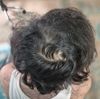
A 7-month progress report of using finasteride and minoxidil, as well as keto dieting and derma stamping; the discussion also touched on RU58841 and its potential side effects.
A 31-year-old male considering returning to finasteride at a lower dose or using topical finasteride to assess his Norwood scale for a potential future hair transplant. He previously stopped finasteride due to side effects and has been shaving his head.
The user is using finasteride, HGH, GHK-CU, BPC-157, KPV, biotin/collagen/keratin vitamins, ketoconazole shampoo, and low-dose naltrexone to address hair loss, avoiding minoxidil due to past shedding experiences. Adenosine is discussed as a potential alternative to minoxidil, though it is noted to be expensive and hard to find.
Minoxidil helped regrow hair from NW3 to NW2 in 5 months despite initial shedding, with additional use of Vitamin D3/K2 on the scalp. Users discuss patience during shedding and the importance of continuing treatments like Minoxidil and Finasteride.
The conversation discusses the molecular structures of compounds that reduce DHT levels, including finasteride and Ashwagandha. It explores the potential of using Ashwagandha topically as a 5a reductase inhibitor.
The conversation is about managing allopregnanolone deficiency caused by 5-alpha-reductase inhibitors like finasteride or dutasteride. Specific treatments discussed for hair loss include Minoxidil, finasteride, and RU58841.
Inflammation plays a significant role in hair follicle miniaturization and androgenetic alopecia, with treatments like ketoconazole shampoo, minoxidil, and finasteride being used to address it. Users discuss the benefits of anti-inflammatory treatments and peptides like KPV, alongside traditional hair loss treatments, to improve scalp health and hair quality.
The conversation is about a user experiencing positive hair regrowth results using 1mg of dutasteride, 10% minoxidil, and occasional microneedling, after unsatisfactory results with finasteride. Other users express interest in switching to dutasteride and share similar sentiments about finasteride.
PP405 is a potential hair loss treatment undergoing trials, with discussions on its effectiveness and comparison to existing treatments like finasteride and minoxidil. There is skepticism about its status as a cure, with hopes for future advancements in genetic treatments like CRISPR.
The conversation discusses the effectiveness of finasteride and dutasteride for hair loss, with some users finding no improvement and experiencing side effects. It also mentions the use of RU58841 and topical minoxidil, highlighting that hair sensitivity to DHT varies among individuals.
The acne medication Winlevi, which contains Clascoterone, is available in the U.S. and may slow down hair loss until a higher concentration treatment, Breezula, is released.
The conversation is about the approval of Clascoterone (Winlevi) in Canada for hair loss treatment. One user expressed skepticism about its effectiveness due to low concentration.
Hair loss recovery using estrogen and anti-androgen treatment for 18 months showed significant improvement. However, results vary and alternative treatments like RU58841 and Dutasteride may work without systemic feminization.
The user showed progress in hair regrowth using topical Minoxidil, oral Finasteride, and derma rolling with tretinoin. They seek advice on achieving Norwood 1 and the number of grafts needed for hairline restoration.
Pelage is delaying the start of phase 3 trials for PP405 to 2026 due to necessary regulatory processes, despite having $120 million in funding. Users discuss the potential of PP405 for hair regrowth, with some expressing skepticism and others hopeful for new treatments like Breezula.
RU58841 is being considered for hair maintenance by someone who can't tolerate finasteride. Alternatives like topical finasteride, dutasteride, and KX826 are also suggested.
The user reported hair thickening after two months of using topical 7% minoxidil and 0.1% dutasteride, with no side effects. They previously experienced side effects with oral finasteride and switched to the topical treatment.
Kintor Pharma finished enrolling and dosing participants in a Phase I trial for a hair loss treatment called AR-PROTAC (GT20029). The effectiveness of another drug, pyrilutamide (KX-826), for hair loss will be clearer after a Phase 2 trial expected to complete in January 2023.
Prostaglandin balance affects hair loss, particularly in conditions like Lichen Planopilaris, where an imbalance can lead to hair follicle damage. Treatments mentioned include prostaglandin analogs and Pioglitazone HCL, with a focus on maintaining prostaglandin equilibrium for potential hair regrowth.
A 31-year-old with diffuse thinning experienced significant hair regrowth after nearly 5 months on Finasteride 0.75mg MWF. Despite initial side effects like testicle pain and reduced sex drive, these issues resolved, and positive effects included reduced nighttime urination and scalp itching.
An 18-year-old is experiencing thinning hair at the crown and is concerned about early balding due to family history. They are using 5% minoxidil and considering adding finasteride to potentially regrow hair and block DHT.
The user is likely at Norwood 4 and is advised to use oral finasteride and topical minoxidil, with the option of a hair transplant after two years for a better hairline. Finasteride and minoxidil are considered sufficient to maintain and slightly improve current hair.
The conversation discusses hair loss treatments, with the original poster using microneedling, rosemary oil, pumpkin seed oil, and Nizoral shampoo, and experiencing increased shedding. Responses suggest that shedding is typically a good sign only with medical treatments like minoxidil or finasteride, and recommend considering DHT blockers or medical treatments for effective results.
A 28-year-old shared surprising hair regrowth progress after 20 days using topical minoxidil, micro needling, GHK-cu, and BPC-157 injections. The user noted a significant reduction in their bald spot and overall hair improvement.
RU58841 slowed hair loss for a DUPA sufferer after other treatments like finasteride, dutasteride, and minoxidil failed. Some users reported side effects with RU58841, while others did not experience any.
Hair loss discussion involves experimenting with Sulforaphane from broccoli sprouts and possibly procyanidin b2. People seek updates on progress and if it's worth adding to treatment stack like microneedling.
Breezula's phase 2 showed reduced efficacy after 6 months, but phase 3 had positive results, causing confusion about any changes made to the drug. There is frustration over the long timeline for hair loss treatments, with some users expressing more interest in other potential treatments like GT-20029.
SCUBE3 and GT20029 are potential treatments for hair loss, with SCUBE3 stimulating hair growth and GT20029 protecting against DHT. A combined approach using SCUBE3, finasteride or dutasteride, and later GT20029 could provide a comprehensive treatment for androgenetic alopecia.