A user shared a beard growth protocol involving hydration toner, azelaic acid, tretinoin, moisturizer, 5% topical minoxidil, and SPF 30+ sunscreen. The regimen spans a year to a year and a half, with specific application schedules for different phases.
VDPHL01 shows faster and stronger hair growth compared to standard minoxidil, with no major side effects reported. Users discuss combining it with other treatments like dutasteride and finasteride for better results, while expressing skepticism about the effectiveness of PP405.
Follistatin, known for inhibiting myostatin and promoting muscle growth in mice, is being discussed as a potential treatment for hair loss. Specific treatments mentioned include Minoxidil, Finasteride, and RU58841.
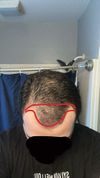
The user regrets not using medication after a failed hair transplant and is now using a combination of minoxidil, finasteride, derma rolling, oils, and ketoconazole shampoo to try to improve hair regrowth. They are seeking feedback on progress and considering further treatment options.
The user shared a 3-year hair restoration update using 0.5mg dutasteride daily, 5% minoxidil foam twice daily, a 1.5mm derma roller twice a month, and Nizoral shampoo. They reported significant improvement and maintenance of hair, with minimal side effects, and are satisfied with the results at age 40.
Placebo hair regrowth might be influenced by propylene glycol in lotions or participants lying about using other treatments like minoxidil, finasteride, or microneedling. Being part of a study can also improve hair health due to lifestyle changes.
A serum with oleic and palmitoleic acids shows promise for hair regrowth in mice, but its effectiveness in humans is unproven. Minoxidil and finasteride remain the recommended treatments.
The user experienced hair regrowth after using oral minoxidil, topical minoxidil, dutasteride, multivitamins, and ketoconazole shampoo, with noticeable improvement in the hairline after 11 months. They reported a burning sensation on the scalp and questioned if single hair follicles could become multi-hair follicles.
A user shared their successful hair regrowth journey using finasteride, oral minoxidil, and oral dutasteride, expressing gratitude for the support received. The conversation includes congratulations and encouragement from others.
The conversation discusses a transgender individual's successful hair loss treatment over 1.5 years using 2.5mg oral minoxidil, 5mg finasteride, and 8mg weekly injectable estradiol valerate. Some users debate the appropriateness of this approach within the group's goals, while others support the individualized treatment and its additional benefits for transgender individuals.
Pelage is developing a topical hair follicle stem cell therapy, PP405, for non-scarring alopecias like androgenetic alopecia, with Phase III trials planned and a potential market launch by 2027. The treatment may not require continuous use after initial regrowth.
The user reports some hair regrowth after two months of using 1.5mm microneedling with Minoxidil and Nizoral shampoo. They note reduced pain and skin flaking, attributing changes to skin thickening and collagen induction.
Minoxidil's effectiveness varies due to differences in sulfotransferase enzyme levels in the scalp, affecting people with conditions like ASD, liver disease, and androgenic alopecia. Treatments like topical tretinoin, microneedling, and using minoxidil sulfate instead of regular minoxidil can improve results for those with low enzyme levels.
A user experienced rapid hair loss and successfully regrew hair using minoxidil daily and finasteride 0.5mg every other day, along with lifestyle changes. They reported significant improvement after initial setbacks and emphasized the importance of starting treatment early.
PP405 is a new hair loss treatment targeting dormant hair follicles, with ongoing trials. Some users consider stopping finasteride and minoxidil to join trials, while others doubt its effectiveness.
A 24-year-old has been using Minoxidil and finasteride for 1.5 years with mild improvement but is being rejected for hair transplants due to age and diffuse thinning. They are seeking advice on what to do next.
The conversation discusses various hair loss treatments, including minoxidil, finasteride, dutasteride, pyrilutamide, alfatrodial, and nizoral, with a focus on the potential of new treatments like gt20029 and breezula. There is optimism about novel treatments that don't have systemic effects, although skepticism remains about the effectiveness of some new drugs.
A user shared progress pictures after 50 days of using a compound with 10% minoxidil, 0.1% finasteride, and biotin, expressing satisfaction with the results. Another user commented positively on the progress.
The user is experiencing aggressive diffuse thinning despite using 1mg oral finasteride daily, topical minoxidil twice, microneedling, and Nizoral for seborrheic dermatitis. They are considering switching to dutasteride or RU58841 but are advised to seek a second opinion to determine the cause of hair loss.
Significant hair regrowth was achieved using 0.5mg oral finasteride, a topical mix of finasteride and minoxidil, and dermastamping. Initial side effects like achy testicles were managed by adjusting the regimen.
PP-405, a potential hair loss treatment, shows promise in stimulating dormant hair follicles and may help with various hair loss types. Current treatments like Minoxidil are still recommended as PP-405 is in early trials and may take years to become available.
A 25-year-old male has been treating hair loss for six months using 5% minoxidil once daily, 0.02% DIY topical finasteride once daily, and microneedling every two weeks. He reports increased hair density and some regrowth, particularly vellus hairs, and plans to continue the regimen, possibly adding oral finasteride in the future.
Stress can lead to hair loss by affecting hair-follicle stem cells, and this loss is harder to recover from if one has male pattern baldness (MPB). Treatments like finasteride and minoxidil are used to address hair loss, but stress-related hair loss differs from androgenic alopecia.
Significant hair regrowth was achieved using RU58841, minoxidil, and microneedling during a high-dose steroid cycle. The user reported no side effects from RU58841 and plans to continue the regimen.
Pelage Pharmaceuticals announced positive Phase 2a trial results for PP405 in hair loss therapy. The conversation discusses the delay in publishing full results and the need for further trials and approvals.
A user shared their 5-month progress using a topical treatment with finasteride, minoxidil, and retinoic acid, noting some hair growth but also shedding. Another user encouraged them, sharing their own experience of gradual improvement over 12 months and advising patience.
The user experienced significant hair regrowth and darkening after 4.5 months using 1 mg Finasteride and 5% Minoxidil. Despite improvements, they are still considering a hair transplant for a better hairline.
The conversation discusses microneedling techniques and the use of Minoxidil, copper peptides, EGF, FGF, ceramides, and hydration serums to enhance hair growth. It explores optimizing scalp conditions and the potential benefits of various compounds in conjunction with microneedling.
A 28-year-old man with hair loss is seeing regrowth in his temple area after 2 months of treatment with Dutasteride, a 1.5mm Dermaroller, topical Minoxidil, and Biotin supplements. He also notes an unexpected positive side effect of Dutasteride clearing up his light facial acne.