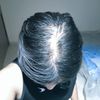
A 37-year-old who started losing hair in their early 20s tried minoxidil with little effect, then experienced more loss until 2023. They are now using a treatment including finasteride, minoxidil, biotin, saw palmetto shampoo, and micro needling, and are seeing early positive results.
Curly and wavy hair can make hair loss appear worse due to clumping, but using less product, shorter cuts, and leave-in conditioner can help manage appearance. Minoxidil and finasteride are considered for treatment, and some find that styling can hide thinning areas.
The user has been using 5% minoxidil with 0.1% finasteride for 8 months with great results but noticed increased hair loss in winter. They also found vitamin deficiencies and improved their diet and exercise but are still experiencing hair loss.
The user is experiencing continued hair loss despite using finasteride, dutasteride, and minoxidil, and is advised to improve diet, check for deficiencies, and consider other treatments like microneedling. Suggestions include sticking with the current regimen, considering a hair transplant, or accepting hair loss and shaving.
A 31-year-old woman shared her 9-month progress using 5% minoxidil foam for hair loss, noting significant improvement after initial shedding and seeing regrowth by month 4. She also used ketoconazole shampoo and has been on spironolactone for acne, but did not use finasteride.
A user experienced significant hair shedding after three weeks of using topical finasteride. They are concerned about the effects of ethanol in topical minoxidil and are unsure if they should wash their hair daily.
User shows hair loss progress from NW4 to NW2.5 in 2.5 months using RU 8.5-9% daily and topical Dut .1% + RU 5% weekly. Discussion includes managing tension in African American hair and representation of different hair types.
Shedding after a break from minoxidil or RU58841 means hair falls out or becomes thinner and weaker quickly before falling. The discussion clarifies the nature of hair shedding with these treatments.
A 25-year-old female is experiencing hair loss and has tried PRP, Minoxidil 5% with Biotin, and weekly needling sessions. Her doctor suggested switching to GFC treatment and stopping the needling sessions due to increased shedding, which may be caused by Minoxidil.
A user experienced significant hair regrowth using Minoxidil but started shedding hair after switching brands and adding treatments like Topical Finasteride and microneedling. They also faced increased hair loss after using Ketoconazole shampoo and are seeking advice on whether brand switching or the shampoo could be the cause.
User experienced hair loss from Norwood 3.5 to Norwood 5 with diffuse thinning after using a hair system for 2 years. Tried Redensyl, Capixyl, Bicapil, Biotin, multivitamins, Fin, and Min without significant improvement, seeking advice for hair recovery.
Lichen Planopilaris (LPP) is an autoimmune condition causing permanent hair loss and fibrosis, often misdiagnosed. Treatments include pioglitazone, topical corticosteroids, anti-inflammatory medication, and Jak inhibitors.
The user experienced scalp inflammation and rapid hair loss after using minoxidil, despite initial success. Suggestions included switching to minoxidil foam, using oils, trying aspirin, and considering RU58841 for inflammation and hair loss management.
Hair loss discussion mentions fibers like toppik becoming difficult to use and questions if there's a better alternative, such as a spray or dermmatch.
User experiencing hair loss on dutasteride; others suggest shedding is normal and to track progress with pictures. Some mention using RU58841 for improvement.
Hair loss without a white bulb may indicate mechanical damage, anagen effluvium, alopecia areata, or traction alopecia. Seeking a specialist is recommended, but access can be difficult in smaller areas.
The user experienced a sudden decrease in hair density after starting alfatradiol while already using finasteride. Another user mentioned that initial shedding can occur with hair loss treatments, but it may not last long.
The emotional and psychological impact of hair loss in young people, how to cope with it, and potential treatments such as finasteride, RU58841, Minoxidil, SMP, and hair transplants.
A user shared 3 months of hair loss progress using topical minoxidil 5%, biotin, and increased protein. The user noted steady improvement and the benefit of progress pictures.
The user experienced hair loss improvement using finasteride, minoxidil, Nizoral, and dermastamping over two years, progressing from a diffuse NW3-3.5 to a thicker NW2.5. They advise starting treatment early, enduring shedding phases, and avoiding excessive time on forums.
A 30-year-old woman shared her 4-month hair loss progress using minoxidil, rosemary oil, and Nizoral shampoo. She posted before and after pictures taken three months apart.
The user experienced hair regrowth with finasteride and minoxidil but faced shedding after stopping the treatment. They resumed the treatment and used Toppik hair fibers to mask hair thinning during the shedding phase.
A 17-year-old using 5% topical minoxidil experienced significant hair shedding after a year, possibly due to a "synchronization shed" and deficiencies in vitamin D and iron. Recommendations include continuing minoxidil, optimizing vitamin D and iron levels, and reducing tretinoin use if scalp irritation occurs.
A user has been losing hair for two and a half years after a tropical trip and illness. A dermatologist prescribed betamethasone valerate 0.1% lotion, but the user is unsure if it's safe or effective for general hair loss.
A 20-year-old male switched from MorrF5 to Zeelab’s MinoxilF, both containing minoxidil 5% and finasteride 0.1%, and is experiencing unexpected hair shedding. He is seeking guidance on whether the shedding is due to the brand change or if it's a normal reaction.