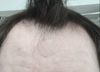
The user shared progress pictures after 2 months of using Minoxidil 5%, Forcapil, and dermarolling 1.5mm. They experienced initial shedding but noticed slow hair regrowth.
OP saw impressive hair regrowth using 0.25% Finasteride and 5% Minoxidil foam after trying dermarolling and castor oil with no success. OP asks for advice and questions the necessity of dermarolling.
Apply minoxidil at least 1-2 hours before bed to ensure it dries and doesn't transfer to the pillow. Foam dries faster than liquid, and using a satin beanie after drying can help prevent transfer.
A user experienced significant hair shedding after three weeks of using topical finasteride. They are concerned about the effects of ethanol in topical minoxidil and are unsure if they should wash their hair daily.
A doctor recommended Follivera as a minoxidil alternative, but users are skeptical, suggesting minoxidil, finasteride, or dutasteride for hair loss. Some users mention adenosine and piroctone olamine as potentially helpful ingredients.
The user is experiencing severe hair shedding despite using minoxidil, finasteride, ketoconazole shampoo, and dermarolling. They are considering changing treatments after stopping dermarolling and switching finasteride brands worsened the shedding.
Morr F Aqua, an alcohol-free Minoxidil, is discussed for its absorption effectiveness. Users also mention using finasteride and RU58841 for hair loss treatment.
This user has had success with Minoxidil foam, achieving significant hair growth in three months without using finasteride or derma rolling. They are considering incorporating a DHT reducing strategy such as finasteride in the future.
The conversation discusses that genetic analysis of the Iceman Ötzi shows he had male-pattern baldness and dark skin, with a joke about using beards and tattoos to distract from hair loss. No specific hair loss treatments are mentioned.
People are humorously discussing unconventional hair loss remedies like pig lard and raw liver, while also mentioning treatments like Minoxidil, finasteride, and RU58841. They mock the idea that seed oils cause balding and criticize misinformation.
The user reports significant hair regrowth using a topical solution of 5% minoxidil and 0.1% finasteride twice daily, along with derma rolling twice a week. They have not experienced shedding and are optimistic about continued hair growth.
The user is concerned about potential hair thinning and has been using minoxidil and finasteride for a year, noticing some new hair growth. They recently started microneedling to improve minoxidil absorption and seek advice on applying it to the crown area.
A 22-year-old is experiencing hair loss, particularly fuzzy hair in the front, and is concerned about male pattern baldness. Treatments mentioned include Propecia (finasteride), minoxidil, PRP treatments, dermarolling, peppermint oil, and apple cider vinegar.
A new hair loss treatment theory beyond minoxidil and finasteride is proposed, causing mixed reactions in the community, with some members eager to explore and support it, while others call for more research and evidence.
The conversation discusses hair loss treatment using finasteride, minoxidil chews, 0.5 dermarolling, 2% ketoconazole, and a silk bonnet. The user reports positive progress and plans to continue the regimen.
2% fucoidan alleviated AGA symptoms, promoted hair growth, and increased hair density in mice. Fucoidan is considered safe for humans as a supplement and topical skincare product, with potential therapeutic effects against AGA.
The user mixes their own RU58841 solution and found that increasing the ethanol content improved absorption and reduced scalp itching. A study on minoxidil showed that penetration increased with higher ethanol concentrations, reaching maximum penetration at 90% ethanol.
The conversation discusses the effectiveness of Bodywise roll-on for hair growth, questioning if it works when combined with a DHT blocker and minoxidil. Opinions vary, with some skepticism about certain ingredients like rosemary oil, while others suggest sticking to finasteride, dutasteride, and minoxidil.
A user shared their positive 3-month results using a treatment for hair loss that includes Dermaroller, Minoxidil, and Amplexe Shampoo. They avoided using finasteride due to its risks.
Peppermint Essential Oil (PEO) was discussed for its hair regrowth effects on shaved mice after 4 weeks. Specific treatments mentioned include Minoxidil (Min), Finasteride (Fin), and RU58841 (RU).
A user discusses an Iranian hair loss treatment brought by their mom, questioning its effectiveness. Replies mention that Kopexil, an ingredient in the product, is different from Minoxidil and less tested.
A user struggles with male pattern baldness and a persistent tingling itch on their crown, trying various treatments like aloe vera, tea tree oil, and Nizoral without success. Another user suggests the itch might be psychosomatic, linked to worrying about hair loss.
The conversation is about a user assessing their hair loss as Norwood 1.5 and discussing their use of oral minoxidil and finasteride for 2.5 years, which improved their hair density. They are content with their current progress but hope to reach Norwood 1.
2-deoxy-D-ribose, a sugar molecule, is found to be 80%-90% as effective as Minoxidil in promoting hair growth, showing potential for alopecia treatment. Concerns include high cost, lack of human studies, and possible side effects like diarrhea and nausea.
Alfatradiol is discussed as a hair loss treatment with minimal side effects, but its effectiveness is debated, and it's not widely known or available outside Germany. Some users report side effects like gyno and ball ache, while others find it effective in stopping shedding and itching.
A 34-year-old male started using 5% minoxidil foam for hair loss and experienced shedding, which is a normal part of the process. He is considering adding finasteride to his regimen but is concerned about potential side effects, particularly sexual performance issues.
Hair fibers are discussed as a temporary solution for hair loss, with users noting they work well if applied correctly but can be messy and time-consuming. Some users also use finasteride for long-term treatment.