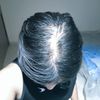
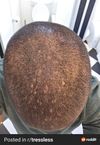
A woman who is considering giving up on her hair loss journey after trying minoxidil and spironolactone, but other posters offer words of encouragement and suggest the use of wigs.
The user has been using topical minoxidil for over a year and added kx826/pyrilutamide to improve hair growth, avoiding finasteride due to side effects like lowered libido and panic attacks. They report positive results with reduced shedding and healthier hair, particularly in areas previously unresponsive to minoxidil.
Koshine 826 (Pyrilutamide) is being used by several users to address hair loss, with mixed results on shedding and side effects. Some users report reduced shedding and no side effects, while others experience increased shedding and potential issues with libido and erectile dysfunction.
Corticosterone inhibits GAS6, affecting hair follicle stem-cell activity, with potential implications for stress-related hair loss. Ashwagandha and Vitamin K are suggested for reducing cortisol, but their effectiveness is debated.
The user aims to achieve a hypertrichosis look and has used topical Minoxidil for 20 years, now trying oral Minoxidil in a low dose. They seek alternatives to Minoxidil to avoid side effects.
The user experienced increased hair loss and scalp itchiness despite using finasteride and plans to resume minoxidil and start microneedling. They are considering using clay, Aveda thickening tonic, and a beanie to manage the appearance of thinning hair.
Unusual hair growth can occur in unexpected areas, possibly due to topical treatments like Minoxidil. Such hair may appear suddenly and is often unrelated to typical hairline patterns.
A 20-year-old woman with androgenetic alopecia feels depressed about her hair loss, despite using topical minoxidil, spironolactone, and saw palmetto. Suggestions include trying oral minoxidil, higher doses of finasteride or dutasteride, and checking for vitamin deficiencies and heavy metal exposure.
A 22-year-old male experiencing hair loss suspects androgenetic alopecia (AGA) and possibly telogen effluvium (TE), with a noted improvement in scalp itch after adopting a gluten-free diet. He is advised to consider treatments like finasteride or minoxidil and to check iron and ferritin levels.
The user experienced hair thinning with dandruff and itchiness but not complete baldness, and found relief using dermarolling and castor oil. They did not use minoxidil or finasteride and discussed the potential impact of lifestyle choices on hair loss.
User experienced hair thinning due to high cortisol and thyroid issues, along with insulin resistance. They are taking magnesium, zinc, vitamin D, calcium, and selenium as supplements.
The user's experience with hair loss, their doctor explaining that they were likely hyper aware of thin spots due to anxiety and an underlying whorl in one area, and providing encouragement for those feeling discouraged. Treatments mentioned include minoxidil and spironolactone.
A potential treatment for alopecia involving a protein that calms hair follicles has shown promise in rats, but skepticism remains about its applicability to humans. Many users express doubt about the timeline for effective hair loss treatments, comparing it to past unfulfilled promises.
Low oxytocin levels in hair are linked to reduced empathy and may affect hair growth. Cinnamic acid can promote hair growth by activating oxytocin receptors.
A 20-year-old female with PCOS is experiencing hair loss and excessive facial hair. She is using ketoconazole and caffeine shampoos, microneedling, and considering anti-androgens like finasteride, but is cautious about minoxidil due to facial hair concerns.
The conversation discusses coping with hair loss and the emotional impact of balding, with some users finding peace in shaving their heads. Treatments mentioned include minoxidil, finasteride, and lifestyle changes like diet and exercise.
The conversation is about individuals noticing others with full hair while experiencing their own hair loss. Some use treatments like Minoxidil and Finasteride, while others joke about noticing receding hairlines or suggest that hats and wigs are used to hide baldness.
The user noticed small circular hairless spots after a buzz cut and has been using finasteride, dutasteride, and oral minoxidil for hair loss. They are experiencing continuous shedding and thinning, and it is suggested they consult a dermatologist for a scalp examination and possible biopsy to determine if it's alopecia areata or androgenetic alopecia.
A woman discovered her long-term hair loss was due to undiagnosed anemia, with ferritin levels as low as 9. After starting iron supplements, she saw significant hair regrowth, especially in previously bald areas, though some spots remain unchanged.
The user is stressed about hair loss and is using a HIMS topical treatment containing finasteride, ketoconazole, minoxidil, and biotin, but is concerned about the oily appearance it causes. They are considering switching to Rogaine (minoxidil) due to budget constraints and side effect concerns with oral finasteride.
Hair loss discussion mentions Native Americans' resistance to male pattern baldness and lack of facial hair. Users discuss genetics, sun exposure, and potential treatments like minoxidil and finasteride.
The conversation discusses diffuse unpatterned alopecia (DUPA) and its possible causes, including sensitivity to DHT, not being androgenic alopecia, being diffuse alopecia areata, or hormonal issues. Treatments mentioned include topical melatonin, Clobetasol Propionate for alopecia areata, and the lack of results from using finasteride, dutasteride, and minoxidil.
Men with early male pattern baldness (MPB) may have hormonal abnormalities similar to those in women with PCOS. Specific treatments mentioned include Minoxidil, Finasteride, and RU58841.
Whey protein may slightly increase hair loss in men with androgenetic alopecia (AGA) due to elevated IGF-1 and testosterone levels, but the effect is minimal compared to treatments like finasteride and dutasteride. Many users argue that whey protein's impact on hair loss is negligible and that maintaining a healthy lifestyle is more important.
The user is expressing an obsession with hair loss and spends all their time researching and discussing it. Other users suggest seeking therapy and focusing on other aspects of life.
The emotional and psychological impact of hair loss in young people, how to cope with it, and potential treatments such as finasteride, RU58841, Minoxidil, SMP, and hair transplants.