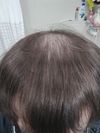
The conversation is about using RU58841 for hair loss after finasteride didn't work, with the user considering trying RU before minoxidil. Another user suggests trying oral dutasteride and oral minoxidil first.
GT20029 and pyrilutamide are both androgen antagonists but work differently; GT20029 degrades the androgen receptor, while pyrilutamide blocks DHT from binding. GT20029 is expected to have similar efficacy to CosmeRNA.
Hair loss treatments like finasteride and minoxidil need time to work, often taking months. Patience and realistic expectations are crucial for success.
The user stopped using finasteride after two weeks due to gynecomastia symptoms and shared blood work results questioning if they indicate a cause for the side effects. The user is considering restarting finasteride and seeking advice on their blood work levels in relation to gynecomastia.
Many users report negative experiences with Dutasteride, claiming it doesn't work as effectively as Finasteride for hair loss, despite some defending its efficacy. The conversation highlights skepticism about Dutasteride's effectiveness, with some users experiencing continued hair loss or no regrowth, while others see positive results.
Starting Minoxidil now won't affect future Finasteride gains; they work differently and can be used together. It's suggested to start Minoxidil to maintain hair health until Finasteride can be started, and consider additional treatments like Ketoconazole shampoo, derma rolling, and rosemary oil for support.
Minoxidil and finasteride can both cause initial hair shedding, but they work differently; minoxidil promotes hair growth, while finasteride improves the hormonal environment. Starting finasteride after minoxidil may trigger additional shedding, but it often leads to improved regrowth.
Hair loss treatments like finasteride, minoxidil, and dutasteride work but have side effects. A permanent cure is still not available due to the complexity of hair loss and limited investment.
The user has been using Dutasteride for over a year for hair loss and is considering a hair transplant if it doesn't work. Suggestions include adding Minoxidil and microneedling, but some advise against a transplant as the current treatment seems effective.
The conversation is about two new videos on exosomes, focusing on how they work and a Q&A session about their use. Specific treatments for hair loss are not discussed.
A user is experiencing worsening hair loss despite using 8mg of oral finasteride and is considering trying minoxidil or redoing blood work. They are concerned about thinning hair on the sides and back of their head.
A user's hair regrowth journey using biotin and minoxidil after initial treatments with Nizoral shampoo and Ketoconazole serum didn't work. The comments suggest the hair loss might not be male pattern baldness (MPB), but possibly Alopecia Areata, an autoimmune disorder, and recommend getting a second opinion and considering other treatments like corticosteroids.
The conversation is about a user trying hair fibers to cover hair loss while waiting for Rogaine (Minoxidil) to work. Some suggest using Finasteride or other treatments for better results, while others criticize the appearance of the fibers.
Hair fibers are discussed as a temporary solution for hair loss, with users noting they work well if applied correctly but can be messy and time-consuming. Some users also use finasteride for long-term treatment.
User hides baldness with side hair growth, others suggest it looks good but may not work in all conditions. Some recommend starting treatment or considering a hair transplant.
This conversation is about a user struggling with hair loss who has been told by their barber that minoxidil does not work and the only solution is to accept it. Other users have encouraged them to continue using finasteride and minoxidil, as well as look for another barber, since these treatments are scientifically proven to be effective in combating hair loss.
AltruisticBro's experience with Fluridil (Eucapil) as a hair loss treatment, and the current blood work results associated with it. They are not willing to take finasteride due to potential permanent side effects.
A 24-year-old male is experiencing hair thinning and feels hopeless, considering treatments like finasteride and minoxidil but is concerned they might not work. He is also contemplating a dermatologist visit and is unable to afford a hair transplant.
Topical finasteride concentrations are likely much higher than necessary for effective follicular DHT suppression, with current standards being 100-1000 times above the theoretical minimum. Lower concentrations (0.001-0.0025%) might still work locally while minimizing systemic exposure.
A user experienced hair thinning after inconsistent use of finasteride and minoxidil while living abroad. They are now considering switching to dutasteride, which some believe is more effective, though others caution it may not work better for everyone.
Dutasteride and high-dose Minoxidil are the primary treatments maintaining hair, with additional supplements and therapies like red light offering minimal extra benefit. The discussion criticizes promoting expensive hair care products when basic medications are doing most of the work.
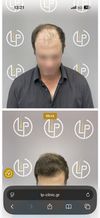
The user is considering a hair transplant in Greece, where the doctor uses a pen technique for natural results and charges a fair price. They are seeking opinions on the doctor's work before proceeding.
The conversation is about finding reviews for a surgeon specializing in FUE hair transplant surgery. The user seeks assurance of the surgeon's quality work.
Dutasteride is often seen as more effective than finasteride for hair regrowth, but it may cause initial shedding and takes longer to work. Combining it with treatments like minoxidil can improve results, though experiences vary.
Norwood 7 hair loss is often excluded from trials to ensure treatments appear more effective and to reduce costs. Some believe treatments effective for Norwood 5 could work on Norwood 7, but companies prioritize market readiness.
The user has been using finasteride 1mg and oral minoxidil 2.5mg for a year, experiencing ongoing shedding since starting minoxidil. They are considering dutasteride and seeking advice on blood work for thyroid, Vitamin D, and iron levels.
A sugar gel is claimed to spark hair regrowth, but users express skepticism, noting that minoxidil and finasteride remain the most effective treatments. Many users joke about frequent "breakthroughs" that work on rats but not humans, and some mention the potential of PP405 as a future treatment.