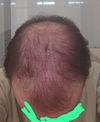
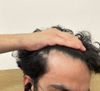
The conversation is about using GHK-Cu, a copper peptide, for hair loss treatment. Users discuss their experiences, dosages, and additional benefits like improved skin and energy.
The user is using 5% minoxidil, 1mg finasteride, and a 1.5mm dermaroller 1-2 times a week for hair growth, noting improved growth speed and density. They avoid applying minoxidil immediately after dermarolling due to skin irritation.
Foam minoxidil may be a good alternative for those who experience irritation from liquid minoxidil, though opinions on its effectiveness vary. Some users suggest oral minoxidil as a more effective option with fewer side effects at low doses, while others recommend foam or alcohol-free topical versions for sensitive scalps.
The user shared their hair recovery progress using oral finasteride, minoxidil, and occasional dermarolling and ketoconazole shampoo, noting significant improvement since starting in September 2023. They experienced no side effects from finasteride and found topical finasteride ineffective, leading to its discontinuation.
Swanson Full Effect Hair Thickener is discussed for its potential to stop hair fall and aid regrowth. A user reported positive results but noted it's out of stock.
OP has been using a premixed topical solution of 5% minoxidil and 0.025% tretinoin for 6 months with good results and is unsure if shaking the bottle is necessary. OP is also using Dutasteride and is curious about the impact of shaking on treatment effectiveness.
The user has been using kx826 for 10 months and topical minoxidil for 2 years, reporting slow but undeniable progress in hair regrowth. They experienced side effects from finasteride and do not use it.
The user experienced noticeable hair regrowth after three months of using topical minoxidil and microneedling, along with lifestyle changes. They plan to start using topical finasteride soon to maintain results.
The conversation discusses hair loss treatments, specifically the use of minoxidil and the potential addition of finasteride. The user has seen some progress with minoxidil but is hesitant about finasteride due to possible side effects, while others suggest combining both for better long-term results.
Store minoxidil and minoxidil+finasteride solutions in a cool environment, ideally below 25°C, to maintain effectiveness. Consider using a wine cellar or fridge for stable, low temperatures.
The user is considering postponing a scheduled hair transplant to see if finasteride and minoxidil treatments improve hair growth. Another user suggests waiting several months to assess the effectiveness of the medications before deciding on surgery.
Taking oral minoxidil with finasteride is generally acceptable and can be more convenient than using topical minoxidil. Dermarolling may enhance minoxidil absorption, and dutasteride is a stronger alternative to finasteride for DHT suppression, but it may have more side effects.
A user shared their six-month hair regrowth journey using Kirkland minoxidil, micro-needling, keto shampoo, and hims topical spray with minoxidil and finasteride. They reported noticeable hair improvement with minimal side effects and plan to continue the routine.
A 26-year-old has seen hair improvement after 18 months on finasteride, with no side effects, and is considering switching to dutasteride despite difficulty obtaining a prescription. They also use dermastamping and are hesitant to try minoxidil, preferring to explore dutasteride first.
A 36-year-old man has been using oral finasteride and minoxidil for six months and is considering switching to dutasteride due to concerns about shedding and lack of response. Users suggest continuing with finasteride, trying micro-needling, or cautiously adding dutasteride while monitoring for side effects.
A user experienced significant hair regrowth after 9 months using 1mg finasteride and daily topical minoxidil, with dandruff as the only side effect. They stressed consulting a healthcare professional before starting treatment.
The user experienced significant hair regrowth using 1mg oral finasteride daily and a walnut-sized amount of minoxidil foam once a day. They started balding at 17 and reported no side effects from the treatments.
An 18-year-old experiencing aggressive hair loss is considering whether to obtain a finasteride prescription through an online consult to save money instead of visiting a dermatologist. The user is seeking advice on the cost-effectiveness of these options.
An 18-year-old is using a high-dose hair loss treatment with 40mg daily dutasteride, finasteride, minoxidil, tretinoin, and topical bicalutamide. Despite health risk concerns, especially liver issues, they report hair regrowth progress and intend to continue the regimen.
A user shared their experience 36 days after a hair transplant of 5500 grafts in Delhi, using topical minoxidil and finasteride, and plans to start oral finasteride. They reported less shedding than expected and strong early growth, while also maintaining a healthy lifestyle.
The user added Dutasteride to their routine, which reduced hair loss, and is considering reintroducing Pyril at a lower dose of 0.5 ml to save costs. It is suggested that 0.5 ml can still be effective if spread properly.
The conversation discusses hair loss treatments, specifically Minoxidil, finasteride, and RU58841. The user seeks input from medical professionals and scientists on these treatments.
The user experienced hair thickening after two years of using finasteride and minoxidil, despite having a stubborn thin crown. They plan to try microneedling to potentially improve results further.
MCL-1 protein may help maintain hair follicles in the growth phase and prevent miniaturization. There is interest in experimental treatments like exosomes, peptides, or stem cell serums to upregulate MCL-1 for hair loss, especially for those not using minoxidil or finasteride.
If treatments like finasteride, minoxidil, PRP, microneedling, and exosomes fail, opinions differ on using a hair system or shaving. Some choose shaving for simplicity, while others consider hair systems despite maintenance concerns.
Low doses of finasteride, even as low as 0.25 mg, can effectively prevent hair loss without significantly lowering DHT levels. Combining finasteride with natural DHT-lowering solutions may achieve similar results to higher doses.
Exosomes from Musely are being discussed as a topical hair loss treatment containing ingredients like latanoprost, caffeine, cetirizine, melatonin, vitamin D3, vitamin E, and biotin. Users are curious about its effectiveness and potential side effects, noting it may take 4-6 months to see results.
The user has been using 5% topical minoxidil for a year, but hair loss has worsened recently. They are considering adding finasteride to their treatment.
The conversation is about dealing with dry scalp caused by using Nizoral shampoo. Suggestions include using medicated scalp solutions, drinking more water, trying different shampoos and conditioners, and using oils like coconut or olive oil.
The user shared progress pictures showing significant hair regrowth from using finasteride, RU58841, and liquid minoxidil, emphasizing the importance of consistency. They noted that RU58841, a research chemical not FDA-approved, was effective when applied topically but warned of potential heart-related side effects.