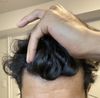
Minoxidil can cause scalp flaking and dryness, often due to its alcohol content. Switching to foam minoxidil or using antifungal shampoos like Ketoconazole may help reduce these side effects.
Minoxidil was applied to a single miniaturized hair follicle over four months, resulting in less miniaturization but not yet terminal growth. The user used a 5% minoxidil solution, specifically the Regaine brand, and observed changes using a handheld WiFi microscope.
PP405 and GT20029 are new hair loss treatments with different mechanisms from traditional options like Minoxidil and Finasteride. PP405 targets hair follicle stem cells to reactivate growth, while GT20029 works as an androgen receptor deleter, both requiring ongoing use for effectiveness.
A 21-year-old male used low-dose 5% topical Minoxidil inconsistently for four months, resulting in stopped hair shedding and improved hair density, though the hairline remained unchanged. Users discussed the potential use of finasteride and other treatments, with some suggesting consulting a dermatologist for further advice.
The user has been using Finasteride and Minoxidil for 7 months and started microneedling a month ago, but is experiencing increased hair shedding and is concerned about its effectiveness. They have vitamin D3 and B12 deficiencies and are seeking advice and encouragement due to a family history of baldness.
The user has been using oral and topical minoxidil, finasteride, dermastamping, and multivitamins for hair loss, with plans to consider a hair transplant in the future. They are seeing gradual improvement and are content with the progress, preferring to stick with their current regimen rather than switching to other treatments like dutasteride.
The user experienced significant hair regrowth using minoxidil, microneedling, and estrogen, leading to a need to tie their hair back. They attribute the success to estrogen suppressing testosterone, alongside their routine of minoxidil, microneedling, and supplements.
The user experienced mental side effects from oral finasteride, such as brain fog and low mood, and switched to topical finasteride combined with minoxidil. They are monitoring mental clarity and hair progress after stopping oral finasteride.
A user is considering hair loss treatments like caffeine shampoo, rosemary oil, pumpkin seed supplements, and microneedling, but is unsure if these are effective compared to finasteride. Another user suggests trying finasteride or dutasteride, sharing regret for not starting earlier.
A user shared their experience with a beard-to-scalp hair transplant, noting no visible scars and improved hair density using finasteride and minoxidil. The conversation discusses the differences between beard and scalp hair, potential changes in hair texture, and the use of beard hair for increased scalp coverage.
A user shared their experience with hair loss treatments, including topical minoxidil, finasteride, RU58841, and microneedling, noting significant hair regrowth except at the hairline. They plan to start oral minoxidil and switch to a combination treatment, while another user mentioned that some miniaturized hairs may not fully recover.
A 37-year-old user shared their positive 3-month progress using a topical solution of 5% minoxidil and 0.25% finasteride, combined with weekly microneedling and Nizoral shampoo. They reported no significant side effects and emphasized the importance of consistency and microneedling for hair regrowth.
Significant hair growth was achieved using Minoxidil 5% and dermarolling twice a week, with suggestions to add finasteride for maintenance. There is debate on when to apply Minoxidil after dermarolling to avoid irritation.
Finasteride can affect hormone levels within two weeks, and a break of several weeks is recommended for baseline results. Monitoring E2 and testosterone is suggested to assess the risk of gynecomastia.
The conversation discusses hair loss treatments, including Avodart (Dutasteride), finasteride, minoxidil, and peptide serums with ingredients like Redensyl and Saw Palmetto. Users share experiences and opinions on the effectiveness and side effects of these treatments, with some skepticism about claims regarding DHT and its role in hair loss.
Transplanted hairs are thinning after switching from topical to oral minoxidil, with increased shedding and miniaturization. The user is considering reintroducing topical minoxidil and has started using ketoconazole shampoo.
A 30-year-old male experienced hair shedding while using Minoxidil and Finasteride, with concerns about whether this is a normal shedding phase. Despite drastic hair loss, he continues the treatment, hoping for regrowth, and receives advice to maintain the regimen and consider lifestyle changes.
A 22-year-old male switched from finasteride to dutasteride 90 days ago, noticing decreased shedding initially but recently experiencing increased shedding of healthy, thick hair. He uses minoxidil with tretinoin and washes his hair daily, hoping the shedding will stabilize in a month or two.
Minoxidil and LLLT are compared for treating hair loss, with LLLT showing higher regrowth rates and fewer side effects. LLLT is less time-consuming and more suitable for those with health issues, while Minoxidil requires daily application.
A 24-year-old is experiencing hair shedding and regrowth while using dutasteride (1mg), vitamin D, and minoxidil (5%). Others share similar experiences with hair loss treatments like minoxidil and finasteride.
A user shared their positive progress after 3.5 months of using finasteride and minoxidil for hair regrowth, noting increased hair density and new growth around the temples. They experienced minimal side effects and slight initial shedding, and emphasized the importance of consistency and patience with the treatment.
A 24-year-old male is experiencing emotional stress from hair loss despite seeing significant progress after 4.5 months of using oral dutasteride and minoxidil, and has now switched to topical treatments. Many users encourage him to continue with the oral treatments due to his impressive results and suggest waiting at least a year before considering a hair transplant.
The conversation discusses the need for a localized 5-alpha reductase inhibitor that only affects the scalp without systemic side effects, similar to pyrilutamide's approach. Current treatments like topical liposomal finasteride and dutasteride are mentioned, but concerns about their systemic effects and lack of research are highlighted.
Minoxidil foam can be used with styling products, but it's best to wait before applying fibers. Switching to night application may help maintain hairstyle.
The user has been using minoxidil and finasteride for a year without seeing progress and recently added a derma stamp. Suggestions include trying oral minoxidil, switching to dutasteride, and considering vitamin D and saw palmetto.
The user has been using finasteride 1mg for a year and minoxidil 5% for 1.6 years, with inconsistent dermarolling, and is considering switching from topical to oral minoxidil due to hair dryness. They report increased hair thickness and no side effects, with plans to consult a dermatologist about the switch.
The conversation discusses alternatives to 5AR inhibitors for hair loss treatment, suggesting options like minoxidil, KX-826, pyrilutimide, microneedling, and topical bicalutamide. Concerns about side effects and the effectiveness of these treatments are also highlighted.
The user is using finasteride, minoxidil, dermastamp, nizoral, biotin, fish oil, and zinc magnesium B-6 for hair loss treatment. They report healthier hair and are hopeful for further regrowth.
The user started finasteride in April 2024 after experiencing hair thinning and had been using minoxidil since January 2023. They report significant hair recovery with no side effects from finasteride, and they continue to use both treatments together.
The person is considering shaving their head due to hair loss but is unsure about the decision and concerned about potential regret. They are not interested in medication due to side effects and cannot afford a transplant, seeking advice and personal experiences.