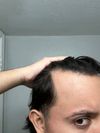
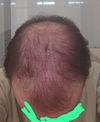
User shared 12-month progress using topical 0.25% finasteride and 5% minoxidil daily. Most replies suggest waiting longer for potential further regrowth before considering a hair transplant.
A user's progress with treating their hair loss by using Minoxidil twice daily and finasteride once daily, as well as suggestions to add microneedling and avoid tying the hair back.
The conversation discusses whether to switch from Finasteride to Dutasteride for hair loss treatment. Some suggest switching to Dutasteride now due to its effectiveness, while others recommend waiting to see how Finasteride performs, especially if there are no side effects.
A 20-year-old male experiencing significant hair loss started using finasteride and minoxidil, considering switching to dutasteride, and seeking encouragement from others who have seen improvements. Other users shared their experiences with similar treatments, noting improvements in hair coverage and stability, with some considering hair transplants as a future option.
New hair loss treatments like VDPHL01, PP405, Gt20029, and Breezula are anticipated, with VDPHL01 possibly releasing in 2027/28. Current treatments include finasteride, dutasteride, and minoxidil, but new options are eagerly awaited.
The user has been using oral finasteride for nearly 8 months without seeing any improvement in hair density, and is considering adding minoxidil and possibly switching to dutasteride. Other users suggest combining treatments like minoxidil, microneedling, and topical anti-androgens for better results.
Minoxidil, dutasteride, and copper peptides are used in a tattooing method for hair regrowth, with some users noting better results compared to oral treatments. Copper peptides are considered to have minimal impact, but the method may reduce side effects.
The user experienced positive hair regrowth and thicker hair after 12 weeks on 1.25mg Finasteride and 2.5mg Minoxidil chewables, with no side effects. They plan to reassess the need for a hair transplant after seeing further progress.
Using topical finasteride alongside oral finasteride likely won't provide significant benefits and may increase the risk of side effects. The "4-in-1" spray offers a higher minoxidil concentration but may not be worth switching if oral finasteride is well-tolerated.
Pelage is moving to Phase III clinical trials for PP405, a hair loss treatment, with results to be presented at a medical meeting. Users express skepticism and hope, comparing it to existing treatments like Minoxidil and finasteride, while discussing the potential for new hair growth in previously bald areas.
The conversation discusses a hair loss treatment regimen including oral dutasteride, oral minoxidil, tadalafil, and the recent addition of RU58841. The user shares experiences with these treatments, noting significant hair regrowth and stabilization, and discusses the cost and preparation of RU58841.
A 36-year-old experienced significant hair regrowth using dutasteride, oral and topical minoxidil, and keto shampoo, and plans a hair transplant for further improvement. Despite progress, they seek hairline restoration and have scheduled a transplant of 3,000 grafts.
A user in Egypt is seeking alternatives to oral minoxidil, which is banned there, after stopping topical minoxidil due to concerns for their cat's safety. Suggestions include drinking diluted topical minoxidil or making homemade minoxidil tablets, but these methods carry significant risks and are not recommended.
The user is concerned about hair loss and is hesitant to use treatments like finasteride and minoxidil due to potential side effects. Another user suggests gradually introducing finasteride to minimize side effects and maximize results.
The user is using a hair regrowth treatment plan that includes finasteride, microneedling, minoxidil foam, ketoconazole shampoo, and piroctone olamine shampoo. They are seeking advice on the effectiveness of their regimen and dosage of finasteride, and are curious about others' experiences with piroctone olamine.
The user has been using oral and topical minoxidil, finasteride, dermastamping, and multivitamins for hair loss, with plans to consider a hair transplant in the future. They are seeing gradual improvement and are content with the progress, preferring to stick with their current regimen rather than switching to other treatments like dutasteride.
Foam minoxidil may be a good alternative for those who experience irritation from liquid minoxidil, though opinions on its effectiveness vary. Some users suggest oral minoxidil as a more effective option with fewer side effects at low doses, while others recommend foam or alcohol-free topical versions for sensitive scalps.
OP has been using a premixed topical solution of 5% minoxidil and 0.025% tretinoin for 6 months with good results and is unsure if shaking the bottle is necessary. OP is also using Dutasteride and is curious about the impact of shaking on treatment effectiveness.
A 37-year-old user shared their positive 3-month progress using a topical solution of 5% minoxidil and 0.25% finasteride, combined with weekly microneedling and Nizoral shampoo. They reported no significant side effects and emphasized the importance of consistency and microneedling for hair regrowth.
Hair follicles usually go dormant rather than die, and treatments like finasteride, minoxidil, and hormone therapy can sometimes reactivate them, though results vary. Complete regrowth is rare, especially in long-term bald areas, but some individuals see significant improvement with these treatments.
The user started finasteride (1mg) a year ago for hair thinning, experiencing stabilization but not significant regrowth. Suggestions included adding minoxidil, microneedling, and considering a hair transplant for improved results.
The conversation is about a user's 13-month progress using oral finasteride and topical minoxidil for hair loss, showing significant improvement but considering a hair transplant for increased density. The user also takes biotin and saw palmetto, uses Hims shampoo, and plans to consult a surgeon for potential grafts.
User shared progress after 4 months using topical minoxidil and oral finasteride, reporting noticeable regrowth and no side effects. Other users discussed their experiences and advice on similar treatments, including dutasteride and derma stamping.
A user, 18, is considering switching from topical finasteride (0.025%) and minoxidil to dutasteride due to continued hair shedding. Other users shared their experiences with dutasteride, noting potential benefits and risks, including reduced sperm count.
A user discusses a novel hemp extract for hair regrowth, which showed superior results to finasteride and minoxidil. The formula includes CBD, CBDV, THCV, delta 9 THC, cannabigerol, and cannabinol, combined with menthol, peppermint oil, ethanol, Emu oil, HFA 134A propellant, and dimethicone.
The conversation discusses a user's 1.5-year experience with oral minoxidil and dutasteride for hair loss, mentioning side effects like itchy nipples and ball ache. Specific treatments used are 5mg of minoxidil and 0.5mg of dutasteride daily.
A user shared their experience with hair loss treatment using finasteride (1mg) and minoxidil (1ml), noting significant shedding phases but hoping for improvement. Shedding is a common synchronized effect of the treatment, which may desynchronize over time, potentially taking over 5 years.
A user shared their 4-month progress pictures after using Minoxidil, finasteride, micro-needling, Nizoral, and scalp massage for hair loss. They're now switching from topical to oral finasteride to maintain the results.