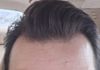
User fought hair loss with Derminator microneedling, topical and oral minoxidil, and a 2000 FUE hair transplant. Derminator was a game changer, preventing further loss.
The user plans to maintain and improve hair health using finasteride, a balanced diet, exercise, and regular hair care, while avoiding minoxidil. They intend to share weekly updates on their progress.
Use minoxidil and finasteride for 1-2 years to promote regrowth and stabilize hair loss before a transplant. Long-term use of these medications is needed to maintain results and prevent further loss.
A user convinced their dad to start using Minoxidil two months ago and Finasteride one month ago for hair regrowth. The dad is showing significant progress, and there are suggestions to add derma stamping for better results.
PTD-DBM is being explored for hair regrowth by targeting CXXC5, with clinical trials expected after pre-clinical studies. Users express anticipation and skepticism about its effectiveness.
The user experiences increased dandruff from daily use of minoxidil and finasteride, and seeks shampoo recommendations for an oily scalp that can address dandruff and aid hair restoration. They found Anaphase and an Indian herbal shampoo ineffective.
User seeks participants for Verteporfin group buy. Verteporfin, FDA approved, may regenerate hair follicles and sweat glands through heavy microneedling.
RU58841 is not recommended for use around children due to potential exposure risks. Alternatives like CB-03-01 might be considered, but further research is advised.
A user taking 1.25mg finasteride and 2.5mg oral minoxidil for hair loss, questioning if the dosage is enough for scalp hair regrowth. Another user reassures that hair will regrow stronger after initial shedding.
Verteporfin may improve hair transplant outcomes and reduce scarring, potentially allowing patients to avoid finasteride. Dr. Barghouthi seeks collaborations, volunteers, and financial support for research on verteporfin.org.
A 17-year-old is concerned about potential hair loss due to maternal genetics and wonders if treatments like Minoxidil, Finasteride, or RU58841 will be effective. They hope their paternal genetics will help prevent hair loss or make treatments more effective.
A 23-year-old experiencing hair thinning has seen noticeable improvement after using 1.25 mg oral finasteride for over a year and recently starting 2.5 mg oral minoxidil, along with ketoconazole shampoo. They are considering a hair transplant in the future and have not experienced any side effects from the medication.
The conversation humorously discusses the fictional "Post PP405 Syndrome" and the idea of starting a foundation or cult around it. It mentions skepticism about the effectiveness of PP405 and jokes about future therapies.
The user is experiencing hair thinning and is considering using minoxidil. They are concerned about the progression of hair loss and whether it will lead to complete baldness.
The user reported significant hair regrowth using a topical treatment of 0.3% finasteride and 6% minoxidil, with noticeable progress in five months. The treatment is applied once daily, and the user experienced some initial shedding but no side effects.
Adding caffeine to topical minoxidil is unlikely to enhance its effectiveness, with most users agreeing it has minimal impact. The main treatments discussed are minoxidil and finasteride, with some users adding other ingredients like azelaic acid and retinol.
The conversation is about a person considering participating in a study for Clascoterone, a topical cream for hair loss, and seeking advice on potential side effects. They have mild hair loss and are not currently using other treatments like finasteride.
A user's progress with treating their hair loss, including using finasteride, minoxidil, retinoic acid, dermapenning twice weekly and ket 2% shampoo two to three times per week. Other users offered advice such as not derma penning too often or shaving the area bald for a couple of months.
A user shared their five-year experience with finasteride for hair loss, noting positive results and no side effects. The discussion included debates on potential side effects like erectile dysfunction and the treatment's effectiveness.
The user has been using finasteride for 1 year and 7 months and oral minoxidil for 6 months, noticing peach fuzz that may turn into terminal hair. The user has experienced no side effects and is considering additional treatments like dermarolling and possibly increasing the minoxidil dose.
Finasteride and dutasteride may increase estrogen levels, leading to water retention and a fuller face. Users discuss managing these effects with lifestyle changes and supplements like zinc and DIM.
The user has been using finasteride 0.5mg, topical minoxidil once a day, and ketoconazole every other day for two months, resulting in thicker hair and a firmer hairline. There is a suggestion to increase the finasteride dosage.
The conversation is about whether it's safe to use minoxidil with a mix of stemoxydine, RU58841, alfatradiol, and tretinoin at the same time for hair loss treatment. Concerns were raised about the absorption and effectiveness when these treatments are applied together.
Licorice is not recommended for hair loss as it inhibits hair growth and is a non-selective testosterone inhibitor. Alternatives like spironolactone are suggested for those considering hormonal treatments for hair loss.
The user is concerned about starting finasteride due to potential fertility issues and is considering using minoxidil and Nizoral shampoo as alternatives for hair loss. Another user shares their experience of pausing finasteride while trying to conceive, continuing with minoxidil and Nizoral, and advises prioritizing child health over hair treatment.
Using a Derma stamp with 3-4 contacts per area in multiple directions is effective for hair growth. A 1.5 mm needle with a week's rest between sessions is recommended for optimal healing and results.
Hair follicles are mostly dormant but can be reactivated with treatments like minoxidil, finasteride, and microneedling. A new drug, PP405, shows promise for hair regrowth but may not be available until 2027-2028.
Clinical studies by Dr. Barghouthi and Dr. Bloxham indicate that Verteporfin, when used with FUE and FUT hair transplantation methods, shows promise in hair follicle regeneration and minimal scarring due to its ability to inhibit Yes-associated protein (YAP). Microneedling at depths of 3-3.5mm, combined with Verteporfin, could potentially reactivate dormant follicles, although the optimal dosage and application method are still under investigation. Concerns remain about the DHT sensitivity of regenerated follicles, highlighting the need for further research to optimize trauma levels and Verteporfin concentrations to achieve effective and scar-free hair regeneration.