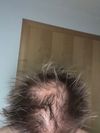
Hair loss treatment should target dermal white adipose tissue (DWAT) to restore hair follicles. Potential remedies include tocopherol (vitamin E), botox, rosiglitazone, niacin, kojyl cinnamate esters, and ADP355.
Hair loss from seborrheic dermatitis can be temporary. Treatments discussed include Minoxidil, finasteride, and RU58841, along with collagen and biotin supplements.
An 18-year-old experienced initial hair improvement with minoxidil but noticed increased shedding after surgery and lifestyle changes. They suspect iron deficiency and are seeking other possible explanations for the hair loss.
The user is experiencing hair loss despite using finasteride, minoxidil, and needling since March. They suspect needling too deeply might be an issue and have adjusted the depth recently.
The conversation is about dealing with dry scalp caused by using Nizoral shampoo. Suggestions include using medicated scalp solutions, drinking more water, trying different shampoos and conditioners, and using oils like coconut or olive oil.
The user is seeking advice for temple hair recovery, using 2% minoxidil, dermarolling, nutrient patches, and green clay compresses, but is hesitant to use finasteride. Others suggest increasing minoxidil to 5%, using finasteride or RU58841, and incorporating ketoconazole shampoo to address hair loss effectively.
The user added witch hazel to their routine with finasteride and topical minoxidil to reduce scalp itching and potentially help with hair loss. They find witch hazel affordable and effective for itch relief, though its impact on hair loss is still uncertain.
User on Finasteride and Minoxidil saw minimal regrowth, tried micro needling with derma pen and noticed thin hair regrowth. Asks if micro needling hair gets thicker eventually.
Adipose-derived stem cells with ATP improved hair regrowth in male and female mice with androgenetic alopecia. The most effective treatments were low dose stem cells with ATP for males and medium dose stem cells with non-liposomal ATP for females.
A user shared their hair loss treatment routine, which includes oral and topical Minoxidil, dermarolling, Keto shampoo, multivitamins, Biotin, oils, protein intake, and water. Another user suggested adding finasteride and continuing the routine for 6-12 months.
The user saw significant hair regrowth using topical minoxidil and finasteride, even on areas not directly treated. They used local Algerian products with 5% minoxidil and 0.1% finasteride and reported no side effects.
A user's progress pictures showing the results of taking Fin (0.5 mg per day), Min (5 mg per day) and microneedling with Dr. Pen Ultima M8; another user asked when the regrowth was noticed, and commented on the hair appearing darker.
A 22-year-old male experienced significant hair regrowth after 4 months using minoxidil, finasteride, and dermarolling. He reported initial mild testicular pain but no other side effects, and he uses a 1mm and 0.5mm dermaroller.
A user shared their year-long hair loss treatment using minoxidil, microneedling, and scalp massages, reporting moderate hair growth and stabilization. They suggest starting early with less harmful methods and consider adding finasteride or dutasteride if needed.
A user with thinning hair and a bald spot seeks advice on starting dermarolling for hair regrowth. They ask about using vitamin E and Rogaine alongside dermarolling.
The conversation is about whether to use gloves when applying 5% RU58841 to avoid systemic absorption and if washing hands with water is sufficient. Users question the concern, noting it is applied to the scalp.
The post discusses microneedling for hair regrowth, with the original poster seeking experiences of those who didn't see positive effects. A reply suggests that while microneedling doesn't guarantee hair regrowth, it increases the chances if done correctly.
The conversation is about a user's hair regrowth after 8 months of using minoxidil, finasteride, and a derma roller. The user started seeing results after beginning derma rolling, using 0.25% finasteride and 5% minoxidil twice daily.
Rapid weight loss may have triggered increased hair shedding. Continuing with finasteride, microneedling, a healthy diet, and supplements like MSM and vitamin B is advised, but results may take 6-12 months.
The post discusses a hair loss treatment regimen including oral finasteride, topical minoxidil, a rejuvenating scalp serum with caffeine, rosemary, and ginger, topical ketoconazole, saw palmetto, and derma rolling. The user seeks advice for scalp pimples and irritation.
The conversation is about a hair loss treatment routine involving dermarolling, finasteride, minoxidil, and natural oils. Suggestions include using shorter needles for better absorption of treatments and longer needles less frequently for hair follicle regeneration.
The user has been treating hair loss for 7 months using a combination of pyrilutamide, a topical mix of finasteride and minoxidil, microneedling, a topical mix of GHK-Cu and minoxidil, ketoconazole shampoo, fish collagen peptides, zinc, and vitamin D3. Another user suggests that continuous small improvements could lead to significant hair regrowth over time.
Onion juice, when applied topically, is an effective treatment for Alopecia Areata, showing significant hair regrowth in both males and females. The study suggests it could be interesting to test its effectiveness on Androgenic Alopecia.
The conversation discusses a person's experience with hair loss treatments, including 7 months of using finasteride and minoxidil, switching to oral minoxidil, using ketoconazole shampoo, and microneedling. They notice hair regrowth more with flash photography than in regular light.
A 22-year-old with 4c hair is considering a hair transplant to address traction alopecia caused by braid extensions. They have tried derma stamping, oils, and minoxidil but stopped due to side effects.
The user reported positive hair regrowth after 11 months on finasteride and 4 months of microneedling. Opinions in the conversation vary, with some endorsing microneedling as effective and others emphasizing finasteride as essential, while acknowledging that treatments may not work for everyone.
A user named KarensAnon who has been using minoxidil, finasteride, and derma rolling for hair loss treatments over the past 6 months with successful results in restoring their confidence. Other users have offered support and advice regarding similar treatment plans.
Man experiences happiness after seeing himself with hair, discussing treatments like transplants, hair systems, Minoxidil, and Finasteride. Users share experiences, societal expectations, and desire for accessible solutions.
A user is using microneedling and rosemary/peppermint oil to treat hair loss, avoiding chemicals due to potential side effects. They have seen baby hairs growing after five weeks and plan to continue for a year.