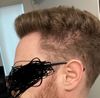
The conversation discusses using minoxidil, vitamins, and microneedling for hair loss treatment over two months. Users inquire about the specific vitamins used and the ease of microneedling.
Hair regrowth progress using finasteride, minoxidil, and dermarolling. Visible improvements started around month 6, with initial shedding from minoxidil.
Balding scalps have more androgen receptors, leading to increased TGF-beta, which causes blood vessel loss and hair follicle miniaturization. Blocking androgen signaling and TGF-beta may help prevent hair loss.
The user is experiencing sudden hair loss and is considering micro-needling, low-level light therapy, iron supplements, folihair, and Omega 3. They are hesitant to start finasteride, suspecting the hair loss might be due to telogen effluvium from a past COVID-19 infection.
Scalp inflammation can cause hair thinning and may be related to diet, infections, or conditions like psoriasis. Treatments suggested include using Nizoral shampoo and checking vitamin levels.
A user who has had positive results from using a regimen of microneedling, finasteride, minoxidil, peppermint oil, keto shampoo and DHT organic shampoo for hair growth. The conversation also addressed whether to use .5mg or 1mg of finasteride and the difference between dermapens and rollers.
Treatments for hair loss, including the use of minoxidil and microneedling; as well as discussing the potential of using finasteride or a ketoconazole shampoo.
Users discussed their experiences with microneedling for hair loss, noting that visible progress typically starts after 1-4 months. Some combined microneedling with Minoxidil for better results.
The user shared progress pictures of hair loss treatment using finasteride, minoxidil, and microneedling, expressing hope for recovery after an 8-9 month break. They seek advice on restarting treatment and are optimistic about regaining previous results.
Minoxidil and tretinoin can cause scalp dryness and itchiness. Using Nizoral, aloe, a lighter minoxidil formula, or a water-based moisturizer like one with hyaluronic acid may help alleviate these issues.
Eleven days after a hair transplant, the user has removed all scabs and plans to resume Oral Dutasteride and Oral Minoxidil. They will also start using a serum provided by the clinic and are sharing progress and clinic information privately to avoid negative comments.
A blood cancer survivor in remission since 2022 is experiencing thin and patchy hair after chemotherapy and is using Minoxidil without much success. They are seeking personal experiences and advice on hair transplants after cancer treatment.
The conversation is about a hair loss treatment protocol involving microneedling, finasteride, RU58841, minoxidil, ketoconazole shampoo, and a scalp massager with oils. Some users advise starting with fewer treatments like finasteride, minoxidil, and microneedling to avoid potential side effects.
User tried topical fin, dut, min, tret, hydrocortisone, microneedling, nizoral, collagen, propidren supplements, and laser helmet for hair loss with slow progress. They ask if topical spironolactone is a safer, effective alternative to RU for suppressing testosterone and treating hair loss in men.
The conversation discusses hair regrowth progress using finasteride, minoxidil, dutasteride, ketoconazole, microneedling, and multivitamins. The user shares their journey and receives advice on haircuts and additional treatments like PRP and RU58841.
A video suggests 0.6mm microneedling is more effective for hair regrowth than 1.2mm, as it causes less trauma to stem cells. People commonly believe 1.5mm is best, but this may vary based on individual factors.
The hair transplant at Eugenix in New Delhi resulted in poor density and texture, with only about 2,500 grafts surviving out of 4,500. The user is considering holding the clinic accountable and exploring options like shaving, using hair fibers, or seeking another transplant.
Switching from topical to oral minoxidil caused heavy shedding and thinner, brighter hair. The user is seeking advice on whether hair can recover to its previous state.
The user reports regrowth after 5 months using Minoxidil, finasteride, microneedling with a derma stamp, Nizoral shampoo, multivitamins, and biotin, and has shared progress pictures. They apply treatments daily, microneedle twice a week, and exercise regularly, noting an improvement in their mental well-being.
The user experienced noticeable hair growth after starting dermarolling with a 1mm device, using minoxidil, and nizoral shampoo. They plan to reduce dermarolling frequency to three times a week and are considering additional treatments like finasteride or a hair transplant for increased hair density.
RU58841 stopped scalp itching for the user, providing relief from persistent itchiness associated with hair loss. Some users reported side effects like chest pain, while others found relief with different treatments like mometasone.
Minoxidil and finasteride are being considered for hair loss due to seborrheic dermatitis and male pattern baldness. The user is also using ketoconazole and zinc pyrithione shampoo.
The user is updating on their hair loss treatment progress after 4 months using oral finasteride, topical minoxidil spray, and weekly 1mm dermarolling. The crown area is slowly improving, with a smaller bald spot radius compared to the previous month.
The user shared progress pictures after 3 months of using topical finasteride, minoxidil, and microneedling for hair loss. They plan a hair transplant at 6 months, and others inquired about microneedling frequency and depth.
After experiencing hair loss due to alopecia areata following COVID-19 vaccination and infection, the individual saw improvement with steroid treatments and Olumiant. They paused Olumiant during a second COVID-19 infection and expressed concern about potential hair loss flare-ups.
The user mixed tretinoin with minoxidil and noticed hair regrowth after three months, despite initial dryness. Their regimen includes 0.5mg dutasteride every other day, daily topical minoxidil with 0.025% tretinoin gel, and ketoconazole shampoo twice weekly.
The user experienced hair loss due to androgenic alopecia and chose to use essential oils (rosemary and peppermint) and microneedling instead of minoxidil or finasteride. They reported positive results after 24 days and plan to continue with these treatments.
The user is attempting to regrow hair using natural methods like microneedling, rosemary oil, and capsaicin tincture, avoiding medications like finasteride and minoxidil due to past health issues. Feedback suggests these methods are ineffective, with many recommending shaving or considering a hair system instead.