The conversation discusses the effectiveness of pyrithione zinc and GT20029 for hair loss. Specific treatments mentioned include Minoxidil, finasteride, and RU58841.
GHK-Cu peptide injections are discussed for hair growth, but users report mixed results and suggest focusing on DHT management first. Some users combine GHK-Cu with treatments like Minoxidil and Dutasteride, but emphasize its benefits for skin rather than hair.
A user is exploring VEGF gene therapy to enhance hair transplant results, considering measuring hair shaft diameter and growth rate. Suggestions include using phototrichograms and possibly adding PRP, though its effectiveness is uncertain.
The conversation discusses using brewer's yeast for hair regrowth, either as a supplement or in a scalp masque. The user is considering adding it to their regimen.
The user experienced side effects from spironolactone and is seeking alternatives for androgenetic alopecia (AGA), considering saw palmetto but unsure of its effectiveness. They are also exploring the possibility of using topical spironolactone, despite availability challenges.
The conversation discusses interest in peptides for hair loss, specifically mentioning ahkCU and ghkCU. A user is considering adding ghkCU to their treatment regimen.
The conversation discusses GT20029, a compound by Kintor Pharma that degrades androgen receptors and is in trials, with potential as a hair loss cure. Another promising treatment mentioned is an antibody that blocks prolactin and has shown positive results in macaques.
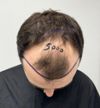
Amplifica's new injectable treatment for androgenetic alopecia shows a 15% increase in hair thickness and coarseness in 60 days. The treatment is in early human trials and offers a promising alternative to hormone-related hair loss treatments.
People on testosterone replacement therapy (TRT) with aggressive androgenetic alopecia (AGA) discuss using Dutasteride or Finasteride, sometimes combined with topical treatments like RU58841 or CB-03-01 (Breezula), to prevent hair loss. Concerns about side effects and costs of certain treatments are mentioned, with one individual sharing their experience of slowed hair loss using Finasteride alone.
GHK-Cu injections led to unexpected temple hair growth for someone who had been using minoxidil and finasteride for over a decade. The user plans to continue using GHK-Cu and experiment with a DIY AHK-Cu serum.
Vitamin D deficiency can hinder hair recovery, and addressing it may help with hair loss. Hair loss may result from various issues like excess DHT, vitamin deficiency, or scalp inflammation.
The conversation is about the anticipation of results for a hair loss treatment study, specifically for GT20029, with expectations for the results to be released in the first quarter of 2024. No specific treatments were discussed.
People are discussing hair loss treatments, including pyrilutamide, minoxidil, dutasteride, alfatradiol, and bimatoprost. Users share their experiences and side effects, noting that pyrilutamide is considered more effective and safer than RU58841.
The user reports thicker and fuller hair after using finasteride, topical minoxidil, RU58841, and dermarolling for two years. Consistent lighting is noted as important for progress pictures.
The user experienced significant hair regrowth using KX-826 (pyrilutamide) 0.9% over one year, despite initial shedding phases. They reported no side effects and have stabilized hair loss with consistent use.
User discusses verteporfin for hair regrowth through "super microneedling" and preventing scarring. They mention a case of an old man regrowing hair after a head injury and suggest verteporfin could recreate this result.
Hair loss treatments like GT20029, pyrilutamide, and Follica show promise in 2022. Phase 1 and 2 trials are underway, and new hair growth studies have been published.
The conversation is about recommendations for microneedling tools for hair loss, with users suggesting a dermastamp from Koi Beauty and the Derminator 2 with 12-needle cartridges.
PTD-DBM therapy for hair loss is being developed by Dr. Kang-Yell Choi, with human testing planned in South Korea. Some clinics in the U.S. offer PTD-DBM/valproic acid therapy, but it hasn't completed trials yet.
Low-Level Laser Therapy (LLLT) for hair loss is effective but requires consistent use and device replacement every 1-2 years. The treatment is costly, and results may not be permanent without continued use.
The conversation is about finding an affordable and effective low level laser therapy device for hair loss, with a preference for a cap but open to a comb.
The conversation is about an 18-year-old male considering topical finasteride for hair loss and asking about the effectiveness of topical melatonin for hair regrowth and density. No specific treatments were confirmed to be used.
OP experienced significant hair regrowth after recovering from iron deficiency anemia and starting minoxidil. They suspect anemia contributed more to their hair loss than androgenetic alopecia (AGA).
The conversation is about the availability of gt20029 for hair loss treatment, indicating that it will not be available for purchase soon. No specific treatments were discussed.
Sulfur soap may help with hair thickening and reducing scalp inflammation, but it can cause dryness. Nizoral, containing ketoconazole, is noted for its potential to reduce seborrheic dermatitis but may also cause scalp dryness and hair loss.
A 22-year-old male experiencing hair loss suspects androgenetic alopecia (AGA) and possibly telogen effluvium (TE), with a noted improvement in scalp itch after adopting a gluten-free diet. He is advised to consider treatments like finasteride or minoxidil and to check iron and ferritin levels.
User "yungnickyyp" shares 5-month progress using Fin/Min/Niz/Derm for hair loss. Others express jealousy and amazement at the significant hair regrowth.
AHK-cu peptides are discussed for hair growth, with users comparing them to GHK-cu peptides and sharing sources to buy. AHK-cu is noted as more expensive, and users express interest in finding cheaper, reliable vendors.
The conversation is about the progress and development of a hair loss treatment called GT20029. People are discussing updates on its status and speculating on how long it will take to become available.
ET-02 showed significant hair growth in five weeks, outperforming minoxidil, with a non-hormonal mechanism that avoids side effects of treatments like finasteride. A phase 2 trial is planned to further assess ET-02's efficacy and safety.