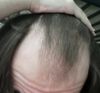
A humorous discussion about hair loss treatments, specifically mentioning the use of 5mg of Dutasteride. The conversation includes jokes about the effectiveness of the treatment.
The user is frustrated with hair loss, having switched from topical minoxidil and finasteride to dutasteride and oral minoxidil without seeing improvements. They are considering a hair transplant and are advised to continue the current treatment and explore therapy or lifestyle changes.
The user has been using finasteride every other day and oral minoxidil for hair regrowth, noticing new baby hairs. They are hopeful about regaining hair on their temples.
The conversation discusses hair loss treatments, specifically dutasteride, oral minoxidil, and microneedling. Users inquire about side effects, brands, and suggest using topical minoxidil.
The user shared their experience with Finasteride and Dutasteride for hair loss. They initially had success with Finasteride but switched to Dutasteride after experiencing shedding, which continued, and are now considering a hair transplant.
OP bought Koshine x826 and plans to update on its effectiveness, currently using fluridil. OP couldn't tolerate RU or DUT, while another user mixes Dutasteride with Koshine x826 weekly without side effects.
The post and conversation are about the high cost and skepticism surrounding pyrilutamide as a hair loss treatment, with comparisons to minoxidil, finasteride, and RU58841. The original poster defends pyrilutamide's effectiveness and criticizes others for dismissing it without proper understanding.
The user started using pyrilutamide for hair loss and experienced a significant reduction in hair shedding and an improvement in hair quality with only mild side effects. They previously used minoxidil and finasteride, which caused side effects, and are now combining pyrilutamide with minoxidil and tretinoin.
The user experienced hair regrowth after using oral minoxidil, topical minoxidil, dutasteride, multivitamins, and ketoconazole shampoo, with noticeable improvement in the hairline after 11 months. They reported a burning sensation on the scalp and questioned if single hair follicles could become multi-hair follicles.
The conversation discusses the less impressive results of Pyrilutamide (kx-836) in phase 3 compared to phase 2, with a suggestion that a longer study might show more significant results. One user reports personal success with Pyrilutamide, experiencing no further hair loss and gradual regrowth.
User seeks advice for regrowing temples, currently using Fin, oral Min, and dermarolling. Suggestions include improving scalp environment and considering RU58841 or dutasteride.
The user shared their 5-year progress using finasteride and topical minoxidil for hair growth, noting initial success but recent thinning and side effects. They plan to switch to dutasteride and oral minoxidil, addressing low iron levels and monitoring potential side effects.
A 29-year-old male experienced significant hair regrowth after 9 months using oral dutasteride and topical minoxidil twice daily. The results show almost full crown regrowth and some hairline improvement.
The conversation discusses a hair loss treatment regimen using Alfatradiol, Pyrilutamide, and Minoxidil. The user shares their current stack of these treatments.
The user shared a 2.5-year hair regrowth update using dutasteride, minoxidil foam, a 1.5mm roller, nizoral shampoo, biotin, multivitamins, and a healthy lifestyle, reporting noticeable regrowth after a year with no side effects. The user uses generic dutasteride and Kirkland multivitamins.
A user shared a blog post by "swissTemples" claiming to have reversed hair loss using a combination of treatments including suppressing PGD2 and increasing PGE2. The user noted that "swissTemples" has been banned from forums, possibly due to conflicts of interest.
The user is experiencing hair thinning and loss at the temples, likely due to androgenetic alopecia. Suggested treatments include finasteride and minoxidil to slow hair loss and promote regrowth, with buzzing hair short as a styling option.
The user shared their 4-month hair loss treatment progress using oral minoxidil, oral dutasteride, topical minoxidil, derma stamping, scalp massages, and ketoconazole shampoo. They reported no side effects and received positive feedback on their results.
Avoiding hair loss forums can reduce anxiety about treatments like finasteride. Some suggest using oral dutasteride and topical minoxidil for 6-12 months and checking updates periodically.
Hair loss discussion includes alfatradiol (Pantostin/Ell Cranell) as a potential treatment. Users share opinions on its effectiveness in their regimen.
The conversation critiques the influence of "Clavicular" on young men regarding hair loss treatments, highlighting the dangers of following unscientific advice and the rise of body dysmorphia. It emphasizes the importance of safe, medically advised treatments like minoxidil, finasteride, and dutasteride, while warning against reckless experimentation and early surgeries.
The user is using a combination of oral finasteride, oral and topical minoxidil, multivitamins, and a derma stamp for hair regrowth. They also use Garnier Fructis Grow Strong Thickening Shampoo and exercise regularly to support hair health.
The conversation is about hair loss treatments, specifically discussing the use of dutasteride, minoxidil, and the potential benefits of a DNA test and PRP therapy. Opinions vary, with some users skeptical about the DNA test and PRP, suggesting sticking with current treatments.
The user experienced hair thickening and reduced shedding using minoxidil, finasteride, and dutasteride, with a switch from finasteride to dutasteride due to ineffectiveness. They also use a saw palmetto shampoo and take vitamin D3 supplements, while considering potential underlying causes like vitamin deficiencies and hard water buildup.
The user experienced significant hair regrowth and no side effects after 14 months of using oral dutasteride and topical minoxidil. They initially had side effects with finasteride but found success with dutasteride, noticing hair stopped falling out within a few months.
The user is struggling with hair loss and has tried treatments like finasteride, minoxidil, and dutasteride without success, considering a hair transplant as a future option. Others suggest focusing on mental health and self-worth beyond physical appearance, while some share their own experiences with similar treatments and outcomes.
A group buy for testing a compound targeting Twist1 protein as a potential hair loss treatment. Inhibiting Twist1, which keeps hair follicles in growth phase, may prevent hair loss with minimal side effects.
A user humorously lamented spilling their minoxidil, describing it as a dramatic and personal loss. Others shared similar experiences and advised caution if pets are around.