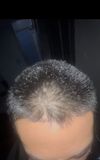
The user is experiencing irritation from using PG with RU58841 and is seeking alternative solutions like K&B in the UK. They report redness, itchiness, and flaky skin from the current treatment.
The post discusses the user's experience with hair loss treatment using finasteride, clobetasol propionate, and ketoconazole shampoo. The conversation warns about the potential side effects of clobetasol, a powerful topical steroid, and emphasizes its short-term usage.
The user started using 0.1% finasteride and 5% minoxidil twice daily and experienced an itchy scalp. Suggestions include checking for allergies, dry scalp, or seborrheic dermatitis.
The user is experiencing severe hair loss after starting Minoxidil 5% and is seeking advice, as their hair loss worsened following a second COVID infection. Despite normal hormone and vitamin levels, the user is considering additional treatments like Ketoconazole shampoo, massages, and low-level laser therapy.
A 22-year-old male is experiencing hair loss due to seborrheic dermatitis, not male pattern baldness, and is seeking advice. Suggestions include using Nizoral, sulfate-free and ketoconazole shampoos, cutting hair short, using cold water, avoiding picking scabs, and trying selenium sulfide shampoo or finasteride.
The user mixes their own RU58841 solution and found that increasing the ethanol content improved absorption and reduced scalp itching. A study on minoxidil showed that penetration increased with higher ethanol concentrations, reaching maximum penetration at 90% ethanol.
A user found that scalp itch might be linked to inflammation rather than DHT alone and noticed hair improvement with certain cancer drugs. They also discovered that black seed oil relieved their scalp itch and are experimenting with a mix of essential oils for dry scalp, questioning if oils affect minoxidil absorption.
Oral ketoconazole is discussed as a potential hair loss treatment, but it poses significant health risks like liver damage and adrenal insufficiency. Users suggest safer alternatives like topical anti-androgens or spironolactone, emphasizing the importance of consulting a specialist.
A user started using Nizoral 2% to treat severe dandruff and asked about its application, potential hair dryness, and whether to consult a doctor. They have been using finasteride for hair loss since age 19.
Scalp inflammation can cause hair thinning and may be related to diet, infections, or conditions like psoriasis. Treatments suggested include using Nizoral shampoo and checking vitamin levels.
User experienced itching, redness, and hives from Minoxidil foam and is questioning if they are allergic to Minoxidil or another ingredient. They have switched to oral Finasteride.
Scalp irritation from homemade topical finasteride may be caused by isopropyl alcohol. Alternatives suggested include using ethanol or everclear with distilled water.
The user is considering making a homemade topical finasteride solution using an ethanol-based carrier. They are inquiring if a solution containing partially denatured ethyl alcohol and benzalkonium chloride is suitable.
DHT Itch and its link to balding, with various treatments such as finasteride being discussed. Members shared their experiences of scalp itch before and after taking 5AR inhibitors, and potential underlying causes such as seborrheic dermatitis were discussed.
The user experiences histamine intolerance with alcohol-based hair loss treatments like Rogaine foam and seeks alternatives. Suggestions include alcohol-free and PPG-free topical minoxidil or finasteride, and trying Spectral products with different solvents.
A 33-year-old man experienced diffuse thinning and hair shedding due to sleep deprivation and low testosterone. After starting hCG treatment, he noticed hair regrowth on his temples.
A user struggles with male pattern baldness and a persistent tingling itch on their crown, trying various treatments like aloe vera, tea tree oil, and Nizoral without success. Another user suggests the itch might be psychosomatic, linked to worrying about hair loss.
The user is experiencing hair loss, possibly due to androgenetic alopecia and seborrheic dermatitis, and has tried ketoconazole shampoo without success. They are hesitant to use finasteride due to potential side effects and are seeking advice on managing their condition.
A user experienced a "watery belly" and cellulite after starting finasteride, despite maintaining a disciplined fitness routine. Others suggest checking hormone levels, as changes in DHT and estrogen could affect fat metabolism, but age might also be a factor.
The user is experiencing scalp itching from a PG ethanol base in their hair loss treatment, which includes 0.025% finasteride and 2.5% minoxidil, and is seeking alternatives without PG or ethanol. Suggestions include Zeuss non-PG foam and Ulo, which do not use PG or hydrocortisone.
A user found relief from minoxidil-induced scalp itch by using a different product, as Nizoral dried out their scalp and worsened the condition. The conversation focuses on managing side effects of hair loss treatments.
High estradiol levels may contribute to erectile dysfunction (ED) and can be addressed with lifestyle changes or medication. It's important to consult a medical professional for treatment options.
The "DHT itch" is real and likely due to inflammation at the hair follicle, exacerbated by increased testosterone or androgens. Treatments mentioned include dutasteride, minoxidil, finasteride, and various topical solutions.
The conversation is about using ketoconazole shampoo for hair loss, specifically discussing concerns about benzyl alcohol in popular brands and seeking experiences with the "tiniazol" brand. The user is considering adding this shampoo to their routine.
The user is considering adding 2% ketoconazole to their current treatment of oral minoxidil and finasteride to address scalp itchiness and inflammation. Another user suggests controlling inflammation is important for managing hair loss.
The conversation is about a female experiencing hair loss and seeking advice on why it's difficult to regrow hair. Specific treatments like Minoxidil, finasteride, or RU58841 are not mentioned.
A 31-year-old female stopped excessive hair shedding using Nizoral shampoo, diluted apple cider vinegar rinse, daily scalp massages, and oral iron and biotin supplements. She noticed a significant reduction in hair loss after 2.5 months and is observing potential regrowth.
A user was prescribed ketoconazole shampoo by their dermatologist for early-stage hair loss, but is unsure if this is the right treatment. Most commenters suggest seeking a second opinion or starting finasteride treatment immediately, while a few caution about potential side effects.
An 18-year-old experiencing hair loss and seborrheic dermatitis has tried finasteride, dutasteride, and various shampoos without success. They are considering anti-androgens like RU58841 and KX-826 for oil control and dandruff reduction.