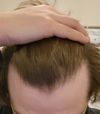
A 22 year old man who is experiencing hair loss, thinning and dry scalp, has tried treatments such as finasteride and minoxidil, and other users sharing their experiences with similar issues.
A 43-year-old male with advanced hair loss is experimenting with alternative treatments, including red light therapy, microneedling, scalp massages, an oil mix, and ketoconazole shampoo, after previously experiencing side effects from finasteride and minoxidil. He noticed some minor changes with red light therapy but remains skeptical about significant improvement.
The user tried oral minoxidil and dutasteride for hair loss after topical treatments failed, but with limited success. They suggest considering a hair system (toupee) as a more cost-effective and less complicated alternative to extensive non-regulated treatments.
Diffuse thinning is often due to androgenetic alopecia, and DHT blockers like finasteride are recommended. Treatments mentioned include minoxidil, finasteride, dutasteride, and RU58841, with emphasis on starting early and using a holistic approach.
A 22-year-old male experiencing diffuse thinning started finasteride and 2% minoxidil 8 months ago, then switched to 5% minoxidil with tretinoin 4 months ago. Despite initial improvement in hair density, he is now experiencing increased hair shedding, losing 100-200 hairs daily.
Hair density improved using topical dutasteride, minox, keto, and 3.5% fluridil for 6 months. Better results when hair is dry, but still unsatisfied when wet.
A user is concerned about hair shedding despite noticeable regrowth after 7 months of using finasteride. The dermatologist confirmed positive results, but the user remains skeptical and confused.
Hair loss is often linked to inflammation and DHT, with treatments like finasteride, dutasteride, and minoxidil being effective for many. Natural remedies like turmeric and oils are discussed, but medications are generally seen as more reliable for managing genetic hair loss.
The user is experiencing rapid hair loss, progressing from Norwood 3 to 7, with thinning at the crown and receding hairline. Suggested treatments include finasteride, minoxidil, ketoconazole shampoo, and CBD with MCT oil.
User is experiencing a very dry scalp with thick white flakes from using liquid minoxidil twice daily for a year. They use Nizoral every 10 days and are seeking advice for a healthier scalp, with a suggestion to use finasteride instead.
The user reported significant improvement in hair thickness and color in the crown area after 3 months on Dutasteride 2.5 mg and oral Minoxidil 5 mg, with temporary side effects that resolved. They switched from Finasteride to Dutasteride due to lack of results with the former.
A 27-year-old Asian male is treating hair loss with 1mg oral finasteride, topical minoxidil twice daily, and 1.5mm microneedling weekly. The discussion is about his progress with these treatments.
The user noticed tiny black hairs after using 5% topical minoxidil for 1.5 months and is unsure if it's due to the treatment. Another user suggests continuing minoxidil for at least 6 months and mentions that combining it with tretinoin and finasteride may improve results.
Rhamnose may promote hair growth and pigmentation, suggesting it as a potential hair loss treatment. The conversation discusses its potential alongside known treatments like Minoxidil, finasteride, and RU58841.
A 31-year-old female stopped excessive hair shedding using Nizoral shampoo, diluted apple cider vinegar rinse, daily scalp massages, and oral iron and biotin supplements. She noticed a significant reduction in hair loss after 2.5 months and is observing potential regrowth.
The user is experiencing hair thinning at the front of the scalp and is seeking advice on regrowing long curly hair. They are considering treatments like Minoxidil, finasteride, and RU58841 to prioritize hair regrowth.
A 21-year-old is experiencing hairline recession and is using finasteride, saw palmetto, gelatin, topical minoxidil with retinoic acid, derma stamping, and scalp massage to address it. Suggestions include adding oral minoxidil, vitamin D3 with K2, and maintaining the current regimen for a year.
Experiencing continual nonstop hair loss despite using dutasteride for 9 months, and the possible causes behind it being discussed such as nutritional deficiencies, elevated cortisol, vitamin D deficiency or other problems. Other solutions such as minoxidil and finasteride have been suggested.
An 18-year-old experiencing mild hair thinning is prescribed ketoconazole shampoo, clobetasol, and a solution with minoxidil, finasteride, and tretinoin. They are hesitant to start finasteride due to concerns about systemic absorption and its impact on facial hair development.
The user is considering buzzing their long hair to better assess the effects of finasteride, which they have been using for over two months, and is concerned about maintaining their unique appearance. They are also curious if dyeing short hair could cause any issues.
The conversation discusses concerns about body dysmorphia related to hair loss, with some users expressing frustration over posts claiming treatments like finasteride and dutasteride are ineffective or harmful despite minimal hair loss. It emphasizes the importance of early treatment with medications like finasteride and minoxidil for those experiencing hair loss.
The user seeks advice on making hair look healthier, mentioning past use of finasteride after a hair transplant. They request recommendations for nourishing shampoo/conditioner, hair growth vitamins, a good hair oil, and a natural method to cover greys.
The user switched from finasteride to dutasteride due to hairline recession but noticed further hair loss and is seeking new dermatological advice. They are concerned about the effectiveness of dutasteride and are looking for help.
The user is experiencing hair regrowth in small clusters using oral minoxidil, oral finasteride, a red light cap, and Nizoral 2% shampoo. They are hopeful for continued improvement and thicker hair.
The user is experiencing hair shedding after using oral finasteride and topical minoxidil, questioning if this is normal. They are concerned about thinning at the hairline despite using these treatments.
The user is 4 months into using a treatment with 5mg Dutasteride and 1.25mg Minoxidil daily, along with vitamin K2 and weekly dermastamping. They report some hairline improvement but no noticeable change in the crown area yet.
A user with alopecia totalis, borderline universalis, seeks advice on getting into a Xeljanz trial or appealing insurance for coverage. They experienced significant hair regrowth but are now seeing hair loss again and want to try Xeljanz.
The user has been using a regimen including finasteride, minoxidil, various oils, and supplements for hair regrowth over 9–10 months. They observed fine hairs returning and a change in scalp texture after adding cinnamon oil, questioning if this change is a positive sign.