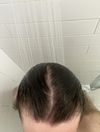
Baby hairs can mature with long-term DHT reduction, and Minoxidil can aid this process. Dutasteride mesotherapy is effective and preferable to oral pills, as it directly targets tissues.
A 31-year-old experienced significant hair regrowth using Minoxidil 5% topical twice daily and Finasteride 0.625mg daily, with additional microneedling. The user reported initial shedding, improved hair thickness, and no major side effects, impressing their dermatologist with the results.
A 32-year-old man started oral minoxidil at 0.625mg daily, alongside topical minoxidil, to address hair thinning after experiencing side effects from other treatments. He plans to monitor his health closely and adjust the dosage after two months.
Pyrilutamide, a possible hair loss treatment, ceasing to be traded due to patent laws; and the hope that this indicates it may be a legitimate treatment.
The conversation discusses hair loss treatments, specifically Dutasteride, Minoxidil, RU58841, and derma pen use over six months. One user mentions RU58841 is effective but personally wouldn't use it.
The user experienced significant hair regrowth using topical Minoxidil and Finasteride but had to stop due to high liver enzyme levels. They plan to pause treatment for a month to see if their liver values return to normal.
A 36-year-old man with androgenetic alopecia suspects copper and zinc deficiencies may be accelerating hair loss and is supplementing copper to address this. He is also monitoring blood sugar levels due to previous prediabetes concerns and plans to test for insulin resistance.
Experimenting with trestolone as a treatment for hair loss in an attempt to avoid DHT-related treatments such as finasteride and dutasteride, and discussing the potential effects of its receptor selectivity on the androgen receptors in the scalp.
Actifollic selling Pyrilutamide as a treatment for hair loss, with people debating its efficacy compared to Minoxidil and Finasteride in combination with RU58841.
The conversation discusses the experience of hair shedding after starting sublingual oral Minoxidil, with the user questioning whether to continue the treatment. Responses suggest persisting with the treatment as shedding might lead to positive results.
The user applied 5% minoxidil twice daily and microneedled approximately 1.5 times a month. They noticed some progress in hair growth, though they were unsure if it was due to treatment or hair length.
.
This conversation is about a user's progress while using minoxidil and finasteride to treat hair loss, with emphasis on taking oral finasteride at night before bed for optimal results. They also discuss the brand of medication being used (Morr F 5%) and the importance of taking a generic version of the same drug.
The user shared progress pictures showing 7-8 months of hair regrowth using Minoxidil, finasteride, Nizoral, dermarolling, and biotin. The hairline remains the same, but overall hair looks better.
This user has been using liquid minoxidil twice daily and 1mg finasteride daily, along with Nizoral shampoo twice weekly for 9 months, leading to an impressive result. They plan to buzz the sides and back when they see their barber next.
The user is pleased with hair regrowth after taking daily tablets of 1.1 mg finasteride, 3 mg minoxidil, and 2.5 mg biotin for 3 months, with no side effects and some light shedding. The most noticeable improvement is at the crown, which was the main concern.
The conversation discusses a user's hair regrowth after two months using finasteride, minoxidil, derma rolling, biotin, and ketoconazole shampoo. Some users express skepticism, while others are impressed with the results.
A user's 11-month hair loss treatment progress using 0.5mg dutasteride every other day, 50mg RU58841 in the morning, 5mg oral minoxidil, topical minoxidil at night, and microneedling with a 1.5mm needle every other week. The user's improvement was significant, going from a severe hair loss stage (NW7) to a mild/moderate stage (NW2-3).
A female user in her mid-20s with androgenetic alopecia and suspected telogene effluvium who has been taking Dutasteride, Spironolactone, Minoxidil, Dermarolling, Ketoconazol shampoo, and Yaz contraception for her hair loss for the past 6 months. She had a small shed during this time that she believes to be stress related.
A 24-year-old user shared their 12-month progress using 1mg oral finasteride and 5mg oral minoxidil for hair loss, reporting significant improvement after initially starting with 2.5mg minoxidil. They experienced no side effects and noted thicker eyelashes, with results becoming noticeable around the 9th or 10th month.
A user is considering using RU58841 for female pattern baldness and is also planning to use Minoxidil. They are hesitant to ask their doctor for spironolactone due to its cosmetic nature and are experiencing significant hair loss possibly due to stress and hormonal issues.
The conversation lists hair loss treatments including finasteride, dutasteride, RU58841, pyrilutamide, breezula, and fluridil, and suggests ketoconazole as another option. Some users warn against using certain treatments like cyproterone acetate, bicalutamide, and spironolactone due to their strong anti-androgen effects and potential impact on masculinity.
A user is seeking help to purchase and ship Alpecin DMG to the United States due to issues with eBay sellers. They prefer Alpecin DMG over minoxidil because of concerns about minoxidil's effects on insulin production, as they have diabetes.
A 28-year-old man with hair loss is seeing regrowth in his temple area after 2 months of treatment with Dutasteride, a 1.5mm Dermaroller, topical Minoxidil, and Biotin supplements. He also notes an unexpected positive side effect of Dutasteride clearing up his light facial acne.
A user who buzzed their hair, raising their confidence. Other users suggested trying finasteride to thicken the existing hair or using hair systems as an alternative. Additionally, toppik was suggested as a way to fill in thinning areas.
A user shared their 2+ years progress on Oral Dutasteride and Sublingual Minoxidil for hair loss. Another user asked about the form of Minoxidil used sublingually.
The conversation discusses using scalp antiandrogens like RU58841, pyrilutamide, or fluridil on the face to reduce sebum production, noting that clascoterone (winlevi) is an approved facial antiandrogen with underwhelming reviews.
Hair loss treatments like Minoxidil, finasteride, and RU58841, focusing on their effectiveness and side effects. It also highlights the disparity in medical research funding between hair loss and conditions like endometriosis.
Oral minoxidil can cause side effects like shortness of breath and constipation, which may be reduced by taking it in the morning. Some users experience no side effects, while others switch to topical treatments or adjust their dosage and timing to manage symptoms.