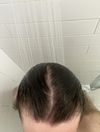
User tried dutasteride, topical finasteride, oral minox, dermawounding, saw palmetto, pumpkin seed oil, and ketacozonole for hair loss. Improvement was temporary, now trying RU58841 and seeking help.
A 27-year-old man shared his hair regrowth progress after using finasteride for 4 years, recently adding a solution of RU58841 with minoxidil and alfatradiol, tretinoin on temples, and occasional ketoconazole. He is seeking opinions on his treatment approach.
The conversation is about a user trying a shampoo and conditioner recommended by Derek from More Plates More Dates to slow down hair loss. The products contain Ketoconazole, pumpkin seed oil, tea tree oil, peppermint oil, and biotin, and the user is satisfied with the results so far.
Keratin microspheres may offer additional mechanisms to combat hair loss compared to minoxidil. The process to create these microspheres is relatively simple and can be done at home with basic equipment.
A user traveled to Turkey for a 5000-graft FUE hair transplant at ASMED Clinic with Dr. Koray Erdogan. They used finasteride before and after the surgery and shared detailed experiences, costs, and recovery tips.
.
This conversation is a satire post about a user who appears to have an abundance of hair, with other users commenting and asking questions about the treatments they use for their hair loss. Treatments discussed include minoxidil and finasteride.
This conversation discusses the potential benefits of using oral minoxidil and finasteride to treat hair loss, with some users sharing their own experiences in taking the medications. Others express concerns about the safety of these treatments.
A user diluted a Hims spray with Kirkland's minoxidil to lower finasteride concentration and has been applying it for nearly 3 months, noticing baby hairs at the temples. They also use a dermastamp, saw palmetto, and biotin supplements, and are seeking advice on their hair loss stage.
User is on vacation in Greece and wants to buy tretinoin or isotretinoin to improve Minoxidil absorption. They are considering isotretinoin since it is available over-the-counter in Greece but requires a prescription back home.
A user's progress with hair loss treatments including minoxidil 5% twice daily, dermaroller 1.5mm, ketoconazole shampoo 2%, and a buzz cut; other users were surprised by the results as no finasteride was included in the treatment plan.
User tried DIY Dutasteride Mesotherapy for hair loss due to unsatisfactory Finasteride results. Used mesotherapy injection gun and liquid dutasteride for better results and fewer side effects.
A new topical treatment, TH07, combining finasteride, latanoprost, and minoxidil, is entering phase III trials with promising early results. Some users express skepticism, noting the treatment uses existing products.
The conversation discusses Scube3, a seemingly new and obscure treatment for hair loss, with limited information available and a link to a patient intake form.
A user is considering a hair loss treatment lotion containing minoxidil, adenosine, caffeine, melatonin, and azelaic acid, questioning the interaction between caffeine and adenosine receptors. Another user suggests adding a topical anti-DHT ingredient like spironolactone, noting it should not be taken orally by men.
User reports 3 months of microneedling, minoxidil, finasteride, biotin, and zinc for hair loss. Others comment on great progress and suggest checking back after 1 year.
A user discusses the legitimacy of Kintor's KX-826 for hair loss, available on Amazon through Koshine Biomedica. They decided to order it after finding a document linking Kintor and Koshine as collaborators.
The conversation is about purchasing KX-826 (Pyrilutamide) on Amazon, now called Koshine. A user mentioned their order is expected to arrive between August 22 and September 13.
KX-826 failed Phase III trials due to high placebo effects, patient compliance issues, COVID-19 side effects, and detection method deviations. KX-826 is now marketed as a cosmetic and approved for combination with Minoxidil.
The user follows an intensive hair loss protocol including dutasteride, biotin, black tea, pumpkin seed oil, peppermint shampoo, rosemary conditioner, mukemame, soy milk, lycopene, garlic, magnesium, chamomile, spicy food, citrus bergamot, zinc, multivitamins, kefir, and Greek yogurt. They plan to alternate between pumpkin seed oil and safflower oil and will share before and after pictures.
Zinc picolinate and saw palmetto may lower DHT but are less effective than finasteride. Finasteride and minoxidil are preferred treatments, with ketoconazole shampoo as a suggested addition.
The user "Matryxv" shared their progress with hair loss, using finasteride, minoxidil, ketoconazole, dermarolling, and other treatments. They achieved significant hair regrowth in a short amount of time, surprising both themselves and other users.
The user is frustrated with the delayed delivery of their Pryiltamide order from Koshine. They mention the order was shipped on August 23 but have received no updates since.
The conversation discusses using cetirizine (Zyrtec) topically to relieve scalp itch associated with hair loss and suggests it may also benefit androgenetic alopecia (AGA). One person found relief from scalp itch after three months on finasteride, noting the itch was linked to areas where hair was lost.
The user shared impressive hair regrowth progress after 3 months using topical finasteride and minoxidil, noting initial libido reduction that normalized. Other users discussed lighting differences in photos, shared personal experiences, and emphasized the importance of consistency for continued results.
The user is experiencing some hair regrowth after six months on oral minoxidil (3mg), finasteride (1.2mg), and using 1% ketoconazole shampoo twice a week, with no side effects. They are advised to consult a doctor before adjusting doses and to consider blood tests for vitamin and mineral levels.
The conversation humorously discusses hair loss treatments, focusing on finasteride, dutasteride, minoxidil, and microneedling. Users share experiences and opinions on the effectiveness and side effects of these treatments.