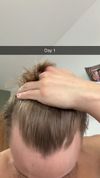
The user is considering starting minoxidil or getting their scalp checked for permanent scarring due to noticing thinner hair after bleaching. They are seeking advice on hair loss remedies.
The user experienced hair regrowth and strengthening using finasteride, minoxidil, micro-needling, Nizoral, and biotin products. Despite progress, they acknowledge that a hair transplant may be needed for full hairline restoration.
A user is considering using finasteride for a receding hairline at age 22, preferring not to use minoxidil. Another user suggests finasteride can help maintain and thicken existing hair but is less effective for regrowth without minoxidil.
Hair regrowth progress using finasteride, minoxidil, and dermarolling. Visible improvements started around month 6, with initial shedding from minoxidil.
The conversation provides advice on how to track hair loss or regrowth, emphasizing the importance of taking consistent photos and keeping a log of treatments like minoxidil and finasteride. It also suggests using scalp cameras and comparing photos side by side for accurate progress assessment.
A young male in his twenties discusses hair loss, mentioning the use of Minoxidil, topical finasteride, and occasional derma rolling. He inquires about scalp inflammation, fibrosis, and the potential benefits of magnesium oil and scalp massages for improving blood flow and hair health.
The user shared 9-month results using a 4-in-1 spray containing finasteride, minoxidil, ketoconazole, and biotin, along with lifestyle changes like jogging, quitting smoking, and using collagen supplements. They also incorporated dermastamping, dermarolling, and various oils into their routine, reporting positive hair regrowth.
The user experienced significant hair regrowth using Minoxidil (Rogaine) and dermarolling twice a week. They also lost weight and improved their diet, which may have contributed to the results.
People with hair loss experience emotional struggles and body dysmorphia. Treatments like minoxidil, finasteride, and dutasteride are used, but results vary and can take time.
A 30-year-old is using dutasteride daily, ketoconazole shampoo twice a week, and started topical minoxidil and dermastamping six months ago for hair loss. The treatment has improved hair density, but significant hairline recession remains, and a hair transplant is suggested for further improvement.
A 22-year-old has been using minoxidil for 2 years and started finasteride a week ago to improve hairline density. They are advised to continue both treatments for potential improvement over time and consider styling or hair concealers for immediate visual changes.
A 23-year-old male is experiencing rapid hair thinning and receding hairline, feeling emotionally drained. He has tried GFC, PRP, ketoconazole shampoo, and supplements without improvement and is considering minoxidil, finasteride, and possibly a hair transplant.
The user is experiencing one-sided diffuse thinning and has been using finasteride and liquid minoxidil for 4-5 years with minimal results. They are considering whether to save for a hair transplant or address scalp sensitivity and irritation first.
The user is experiencing continued hair loss despite using minoxidil, finasteride, tretinoin, and microneedling. They are considering a hair transplant due to lack of response to current treatments.
A 37-year-old man reports significant hair regrowth using a regimen of topical minoxidil, oral finasteride, derma rolling, and saw palmetto shampoo, but notices uneven progress between the sides of his head. He theorizes that sleeping on one side might affect hair growth, but others suggest it could be unrelated to sleeping habits.
Hair therapy advertisements claim to use a mix of fallopia multiflora, ginseng, angelica sinensis, and vitex rotundifolia for hair growth. A user dismisses it as fake.
The user, Lofi-luu, shared their transformation from balding to having a full head of hair after getting a hair transplant and using finasteride for almost 2 years. They also discussed their workout routine and emphasized the importance of not letting balding hold them back in life.
A young man faces severe hair loss in his early 20s, using treatments like dutasteride and minoxidil with little success, impacting his self-esteem and relationships. He considers hair systems and therapy as potential solutions.
A user shared their positive experience with a non-surgical hair replacement system, detailing the purchase and maintenance process, including using Walker Lace Front Support Tape and various adhesives. They found the system secure and undetectable, allowing them to engage in active pursuits without issues.
HairClone plans to start hair multiplication services in 2022. Users discuss various treatments like Minoxidil, finasteride, PRP, and hair cloning, expressing both hope and skepticism about the technology and its costs.
A potential non-invasive topical treatment targeting the WNT Signaling Pathway for hair regeneration is being researched, with positive results on human hair follicle cells. Current effective treatments for hair loss include Minoxidil, finasteride, and hair transplantation.
A woman experienced significant hair loss due to medication, hair coloring, and heat damage, leading her to shave her head and feel distressed. She is considering using wigs and possibly oral minoxidil to manage the situation while her hair regrows.
The conversation discusses a small patch of missing hair and whether treatments like Minoxidil, finasteride, or RU58841 could help. The user is seeking advice on addressing this specific hair issue.
A product that makes hair look thicker and healthier without promoting regrowth. Discussions include treatments like minoxidil, finasteride, red light therapy, and a serum with caffeine and peptides, with mixed effectiveness opinions.
A user, 42 M, NW 5-6, used oral Dutasteride, Minoxidil, RU58841 topical, micro needling, Nizoral shampoo, saw palmetto gummies, vitamin D gummies, and scalp massages for 2 months. They noticed many small light hairs on previously bald areas and are questioning if these will darken or remain vellus hairs.
The user is considering a second hair transplant or scalp micropigmentation to address thinning in the crown area and hide scars from a previous transplant. They have been using finasteride and minoxidil for three years but are concerned about the appearance of their donor area and the effectiveness of scalp micropigmentation.
The user is treating hair loss with topical Minoxidil, Finasteride, RU58841, microneedling, and Ketoconazole. For grey hair, they use L-Cysteine, L-Methionine, and PABA, and have noticed some re-pigmentation.
The user has scheduled a hair transplant after stabilizing hair loss with finasteride and minoxidil, considering additional dermarolling. They are advised to use 2500-3000 grafts conservatively for temple filling without lowering the hairline too much.
The user has been using minoxidil and finasteride once a day, derma rolling once a week, and washing with nizoral once a week since January 2023. They have seen good progress on their hairline.