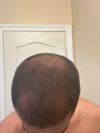
A 20-year-old started using finasteride, topical minoxidil, and high-dose Vitamin D3 a month ago and is already seeing new hair growth. Others suggest adding dermastamping for better results.
The user has tried various treatments for hair loss, including finasteride, dutasteride, and oral minoxidil, but is considering a hair transplant due to insufficient progress. Some users suggest that the treatments have at least stabilized hair loss, and recommend consulting clinics for a potential hair transplant while continuing medication.
The user experienced significant hair regrowth using finasteride tablets, minoxidil foam, and vitamins since April, alongside previous scalp micropigmentation. They are considering growing their hair out due to improved hair density.
Parasites in the gut may contribute to hair loss by depleting essential nutrients and disrupting hormone balance. An imbalance of hormones, not just DHT, could be a factor in androgenic alopecia.
Stopping oral minoxidil is often recommended a week before a hair transplant and can be resumed a week after. It's best to consult the clinic for specific guidance on minoxidil, finasteride, and vitamins before surgery.
The user is experiencing hair shedding despite starting finasteride 4 months ago, with no signs of miniaturization. They are seeking advice after normal blood tests and similar family experiences.
The user has been experiencing severe scalp itching and red spots after using finasteride for two years, suspecting possible allergies or a fungal infection. Despite trying ketoconazole shampoo and stopping saw palmetto supplements, the symptoms persist, leading to increased hair loss.
A dermatologist prescribed 1mg Finasteride daily and 5% topical Minoxidil for hair loss, stating results would appear in 3 months, but later clarified it could take 1-2 years for full effects. The user is frustrated with the slow progress and feels misled about the timeline.
A 26-year-old man with diffuse alopecia is using electric scalp massage, dermastamp, and multivitamins for treatment but is intolerant to finasteride. A dermatologist recommended PRP and mesotherapy with exosomes and dutasteride.
The user has been using finasteride since January 2025 and topical minoxidil since July 2024, noticing some regrowth but also thinning on the left side of the hairline. They are considering switching to dutasteride or oral minoxidil for better results.
The user reduced serum DHT by 60% using Advanced Trichology's natural DHT blocker but saw no improvement in hair loss. They are considering switching to finasteride due to its proven effectiveness in inhibiting scalp DHT.
A 22-year-old experiencing severe hair loss is considering using Minoxidil and finasteride despite initial reluctance, and is also using vitamins and micro-needling. They are contemplating a hair transplant but are advised to wait until at least age 30.
A 30-year-old male is using dutasteride, minoxidil, ketoconazole shampoo, and various supplements for hair loss, reporting no sexual side effects but experiencing tinnitus. He stopped microneedling and tretinoin cream, saw quick results, and experiences low-intensity shedding.
The user switched from Finasteride to oral Dutasteride 0.5mg and oral Minoxidil 2.5mg, along with microneedling and Nizoral shampoo, to combat hair thinning. They report progress but note limited improvement in the temples.
The user is experiencing increased hair loss 9 months into a treatment with topical finasteride and minoxidil, along with supplements, and is questioning if this is a temporary phase or if the treatment is ineffective. Opinions vary, with some suggesting shedding is normal, while others debate the effectiveness of topical treatments and the impact of supplements.
The user shared their hair regrowth routine, which includes Minoxidil, derma rolling, Nizoral shampoo, pumpkin seeds, PRF sessions, and rosemary oil, with plans to add multivitamins, rice water, and exosomes. They hope to avoid using finasteride unless necessary, preferring natural alternatives like pumpkin seeds and saw palmetto for DHT control.
People are discussing the use of finasteride for hair loss and the importance of hormonal blood testing to monitor effects like changes in DHT and estradiol levels. Some users also mention using minoxidil and the potential side effects of estradiol, such as gynecomastia, especially at higher doses.
The conversation is about finding a suitable daily shampoo for thin, low-volume hair while using treatments like oral finasteride and minoxidil with caffeine and tretinoin. Recommendations include L’Oréal Ever Pure, baby shampoo, and Waterman’s Grow Me, with some users suggesting ketoconazole for scalp health.
Hair loss is primarily genetic, and nutrient deficiencies are unlikely to be the cause. DHT inhibitors can slow hair loss, but concerns about side effects are common.
The user experienced hair thinning on TRT and considered various treatments suggested by an online clinic, including GHK-Cu Scalp Serum and Minoxidil blends. The consensus is that only finasteride or dutasteride effectively stop hair loss, while Minoxidil can thicken hair.
Increased hair shedding after starting Dutasteride is normal and indicates treatment efficacy, as it triggers a synchronized shedding phase to make way for stronger hair growth. It is advised to continue with the current treatment plan and assess results in 9 to 12 months.
The user has been using dutasteride, minoxidil, and RU58841 for two years but continues to experience excessive hair shedding, despite also taking various supplements and trying other treatments like red light therapy. They are seeking advice and sharing experiences with others facing similar hair loss challenges.
The user is experiencing hair loss likely due to anemia and nutrient deficiency, and is considering using Minoxidil or non-drug treatments like coffee rinses while improving their diet and taking supplements. They are unsure if Minoxidil will be effective for this type of hair loss and are concerned about potential side effects.
A user is combining RU58841 with a topical formula containing finasteride, dutasteride, minoxidil, triamcinolone, caffeine, and other ingredients. They have just started using it and report no side effects so far.
The conversation is about identifying the cause of a burning red scalp from a topical hair loss formula. Retinoic acid and ethyl alcohol are suspected irritants, with retinoic acid being considered for removal.
A 31-year-old male experienced hair shedding after rapid weight loss and stopping vitamins, despite using minoxidil and other supplements. He is considering Saw Palmetto and Pumpkin Seed Oil instead of finasteride due to trying for kids, and is concerned about high ferritin and DHEAS levels.
Increased hair loss after starting a 10g daily creatine regimen, possibly linked to elevated DHT levels despite dutasteride use. Stopping creatine reduced shedding, but the exact cause is uncertain, with discussions on exercise and lifestyle impacts.
The conversation discusses hair regrowth treatments, including oral minoxidil 5mg and finasteride 1mg on alternate days, along with derma rolling, biotin, and other supplements. The user reports good hair growth and reduced hair fall, with no side effects from oral minoxidil except increased body hair.
The user shared progress pictures showing hair growth after 9 months of using 1 mg oral finasteride, 2.5 mg oral minoxidil (recently increased to 5 mg), and 2% ketoconazole shampoo. Users discussed the effectiveness and side effects of these treatments, with some suggesting alternative methods and cautioning about minoxidil dosage.