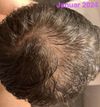
A user is experiencing worsening hair loss despite using 8mg of oral finasteride and is considering trying minoxidil or redoing blood work. They are concerned about thinning hair on the sides and back of their head.
The user is concerned about hair loss despite using oral finasteride, oral minoxidil, and topical minoxidil. They are seeking advice on additional blood tests to identify potential causes.
A young female diagnosed with Lichen planopilaris (LPP) experienced years of misdiagnosis and ineffective treatments, including a hair transplant and other procedures. She is considering litigation due to the misdiagnosis and has learned that LPP is chronic, hair loss can be stopped with ongoing medication, but lost hair cannot regrow.
A 7-month update of hair regrowth achieved by using daily topical finasteride and minoxidil, combined with weekly microneedling. It is also noted that the results are different for females.
The user reports improved hair growth after adding oral minoxidil and microneedling to their routine, while reducing oral minoxidil dosage due to hand swelling. They've been treating hair loss with finasteride and minoxidil since 2015, with intermittent use of minoxidil.
A user's hair loss journey and their results from 9 months of the treatments finasteride and minoxidil, as well as biotin supplementation. People discussed side effects, taking progress pictures, and providing support to other users on their own journeys.
A 24-year-old person who is worried about their hair loss after 14 months of taking finasteride and 11 months of minoxidil. Replies to the post suggested sticking with their current regimen, that shedding from one part may not be telogen effluvium, and that shedding is normal with these drugs and they should evaluate in two to three months.
A user's experience with hair loss and their consideration of using finasteride, minoxidil, RU58841, stemoxydine, fluridil, and peptide serum with redensyl as treatment options.
A user's experience with Dutasteride causing rapid hair loss and temple recession over 3 weeks, with other users offering advice about the potential causes of this.
Hair loss treatments discussed include Minoxidil, Finasteride, RU58841, and Nizoral shampoo. Nizoral's effectiveness is debated, with some suggesting it works as a weak antagonist for androgen receptors, while others attribute its benefits to anti-fungal and anti-inflammatory properties.
The user stopped using finasteride after two weeks due to gynecomastia symptoms and shared blood work results questioning if they indicate a cause for the side effects. The user is considering restarting finasteride and seeking advice on their blood work levels in relation to gynecomastia.
The user started finasteride again, using it every other day, along with a laser helmet, inversion massage, and various supplements. They are considering Minoxidil but had a bad reaction previously and plan to get hair grafts.
A 27-year-old male experiencing hair loss at Norwood 3 level has tried minoxidil and finasteride but stopped finasteride due to side effects. He is exploring alternatives like Dermapen, Regenepure DR Shampoo, saw palmetto, and considering aromatase inhibitors for managing side effects, while also seeking advice on DHT blockers.
Treating alopecia androgenetica with limited options, such as spironolacton, dutasteride, finasteride, minoxidil 5%, Rogaine foam for men, a shampoo with ketoconazol, iron supplement and dermarolling.
A topical solution called "Multi-Peptide Serum for Hair Density" by The Ordinary Company, which contains several ingredients that are used in alternatives to Minoxidil and was found to have better results than 5% Minoxidil in a study. People who have tried it shared their experiences with the serum as well.
A 26-year-old male with high testosterone is experiencing diffuse hair thinning despite using a comprehensive treatment regimen including dutasteride, oral minoxidil, RU58841, ketoconazole shampoo, microneedling, and low-level laser therapy. Suggestions include adjusting dutasteride dosage, monitoring iron levels, and consulting a dermatologist for further evaluation.
A 23-year-old achieved significant hairline regrowth using minoxidil, saw palmetto, collagen peptides, biotin, omega-3, iron, ketoconazole shampoo, and scalp care techniques, without finasteride or dutasteride. The user attributes success to this combination but is unsure which element is most effective.
The user is experiencing continued hair thinning despite taking Finasteride 1 mg daily for over a year and is hesitant to try Minoxidil due to potential side effects and inconsistency. Suggestions include trying topical Minoxidil once a day, considering oral Minoxidil, and possibly getting a skin biopsy to determine the type of hair loss.
The user experienced significant hair loss after 9 months of using 0.5mg dutasteride and oral minoxidil, possibly due to alopecia areata. It is advised to consult a doctor for accurate diagnosis and treatment, as dutasteride and finasteride may not be effective.
A user has been using finasteride and minoxidil for hair loss without success and is considering switching to dutasteride. They are concerned about low DHT levels and are seeking advice on how to implement dutasteride effectively.
The conversation discusses hair care tips and product recommendations for hair growth, including red light therapy, The Ordinary hair density serum, Nizoral shampoo, and Minoxidil. It also covers nutrition, stress management, and the importance of blood work for addressing hair loss.
The user has been using a combination of finasteride and minoxidil for 5 months and is considering adding dutasteride due to slow progress. They plan to alternate between oral finasteride and dutasteride to save costs and are advised to continue the treatment for more time, possibly adding tretinoin, while considering a hair transplant if results remain unsatisfactory.
A 22-year-old male has been using Minoxidil for 2.5 years and Finasteride for 8 months without significant improvement in hair loss. Despite adding supplements and other treatments, hair density remains low, and he seeks advice on further options.
A user is experiencing hair loss despite using dutasteride and oral minoxidil, feeling hopeless and considering a hair system. They are advised to try ketoconazole, seek a second opinion from a dermatologist, and consider treatments like finasteride, RU58841, and hair transplants.
The user has used minoxidil for five years and added microneedling for four weeks without seeing results. They are considering a hair transplant but are advised that hair loss will persist without a DHT blocker.
A 20-year-old is experiencing hair loss and has tried oral and topical minoxidil, finasteride, and is considering dutasteride and a hair transplant. They feel frustrated and hopeless due to the lack of results and its effect on their mental health.
The conversation discusses managing hair loss and seborrheic dermatitis with treatments like minoxidil, finasteride, and saw palmetto, emphasizing the importance of scalp health and DHT reduction. The user shares personal experiences and suggests a balanced approach, combining topical treatments and lifestyle changes for effective hair regrowth.
The user shared their 4-year hair regrowth progress using finasteride, minoxidil, estradiol, and spironolactone. They noted significant regrowth by the second year and additional benefits from estradiol and spironolactone.