Search
for
Sort by
Community Join
600-630 / 1000+ resultscommunity 2 months progress on 1.25g Fin + Topical Minox + weekly Microneedling. Scalp developed dark spots thought should i be worried
The user experienced significant hair regrowth in two months using finasteride, topical minoxidil, and weekly microneedling, but developed dark spots on the scalp, possibly from irritation. They plan to try ketoconazole shampoo to address the issue and will consult a dermatologist.
community 8 Month Update - Daily Topical Fin/Min, Weekly Microneedling, 40 y/o
User shared 8-month progress using daily topical Fin/Min, weekly microneedling, and supplements (biotin, zinc, saw palmetto, collagen). Others praised hairline regrowth and requested temple photos.
community 3 Months and a half, Dutasteride 0.5 mg Minoxidil 5 % Microneedling. Before/After
The user reported positive progress in hair growth using Dutasteride 0.5 mg, Minoxidil 5%, and microneedling over 3.5 months. They plan to continue and improve their regimen for better results.
community Hair cloning and injection of dermal papilla cells coming as soon as 2023
Hair cloning and injection of dermal papilla cells are discussed, with skepticism about their availability by 2023. Users mention Minoxidil, finasteride, and hair transplants as current treatments.
community 2 week difference W/ micro needle, RU58841, oral minox 2.5, topical minox, ketoconazole shampoo, and dutasteride.
The conversation is about hair regrowth using micro-needling, RU58841, oral and topical minoxidil, ketoconazole shampoo, and dutasteride. Users suggest that noticeable results take longer than two weeks, though one user mentions seeing baby hairs.
community Anyone using eucapil/fluridil with Minoxidil?
User asks about using eucapil/fluridil with Minoxidil and how to space out application to avoid ineffectiveness. Also inquires about microneedling timing.
community PP405 - hair stem cell stimulation
PP405, a topical LDH inhibitor, has shown to stimulate hair follicle stem cell proliferation in humans with moderate hair loss. They are advancing to more detailed trials this year.
community Verteporfin update - donor hair regeneration human trial
A human trial of verteporfin, a potential treatment for hair loss, with some users noting potential improvements in scarring and overall healing compared to control areas.
community 14-month update - dut, min, niz, 1.5mm roller.
A user shared a 14-month hair loss treatment update using dutasteride, minoxidil foam, a 1.5mm derma roller, and Nizoral, with noticeable hair regrowth and no side effects. The discussion highlights the effectiveness of microneedling in combination with topical treatments, with many users agreeing it significantly enhances results.
community 4 month update, fin + min + micro-needling
User shares 4-month progress using finasteride, minoxidil, and microneedling for hair loss. Others discuss body hair, hair transplant possibilities, and user's treatment response.
community Duta/Minoxidill/some microneedling
A user shared progress pictures showing significant hair growth over 3.5 months using Dutasteride, Minoxidil, and microneedling. They are pleased with the results but unsure how to style their growing hair.
community Hair follicle dermal papilla exosomes
The conversation discusses using hair follicle dermal papilla exosomes for hair loss treatment. It inquires about purchasing options for this treatment.
community Megadosing Koshine826(Pyrilutamide), my Plan.
The user plans to use 1% Koshine826, 0.1% Alfatradiol, Minoxidil with Tretinoin, microneedling, and Stemoxydine for hair loss treatment. They expect significant recovery with this regimen.
community Hairline progress 2 years. Finasteride, minoxidil and microneedling.
The user shared progress pictures of their hairline improvement over two years using finasteride, minoxidil, and microneedling. Another user inquired about whether the minoxidil was used orally or topically.
community 6 month hairline results (dutasteride and microneedling)
A user's 6 month hairline results from using dutasteride and microneedling, which resulted in successful regrowth of their thinning temples. Other users commented with similar experiences that were also achieved through the use of finasteride, dutasteride and minoxidil.
community 29m, just under 2 months topical min only (0.5mg 2x daily and microneedle 1x weekly)
A 29-year-old male is using topical minoxidil and microneedling for hair regrowth and is considering adding finasteride. Users suggest adding finasteride for better results.
community Update: 4~ Months, 1mg dut, 5mg min 21M
A 21-year-old experiencing hair loss since age 16 is using 1mg dutasteride, 5mg minoxidil, and Nizoral, with occasional microneedling, but stopped microneedling due to scalp inflammation. They report some patchy regrowth, with stronger results at the front than the midsection.
community Diffuse thinning chronicles pt. 2
A 27-year-old Asian male is treating hair loss with 1mg oral finasteride, topical minoxidil twice daily, and 1.5mm microneedling weekly. The discussion is about his progress with these treatments.
community Does anyone else sneeze or have their nose run when they microneedle their scalp?
Microneedling the scalp can cause sneezing, runny nose, and watery eyes due to nerve stimulation, histamine release, reflex actions, or sinus relief. Several users experience similar symptoms.
community Topical fin/minox + nizo shampoo and microneedling
The user is using topical finasteride, minoxidil, nizoral shampoo, and microneedling for hair regrowth but hasn't seen results after 2-3 weeks. They added tretinoin to their routine and are advised to wait a few months for potential changes.
community Scalp MicroPigmentation Results
A user shared their positive experience with scalp micropigmentation (SMP) to cover hair thinning and a scar, choosing it over hair transplants due to its non-invasive nature and realistic results. They recommend SMP for those struggling with hair loss, emphasizing the importance of finding a trusted artist.
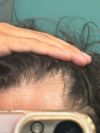
community 25M with Uneven Thinning Despite Oral Minox, Considering PRP and Microneedling
A user is experiencing uneven hair thinning and has tried topical minoxidil without success and finasteride with adverse effects. They are considering microneedling and PRP treatments while avoiding finasteride, and another user suggests trying dutasteride as an alternative.
community Completed my Clascoterone study, updating as promised, no change
The user completed a Clascoterone study with no observable changes in hair loss and plans to try microneedling and Minoxidil next. They will microneedle weekly and apply Minoxidil twice daily, except on the night of microneedling, and compare results after six months.
community Research and Experiences with Stem Cells?
community 3 months on minoxidil and microneedling alone
This conversation was about a user's progress pictures from using minoxidil and microneedling to treat hair loss. Other users suggested finasteride as an additional treatment, while cautioning that the drug could have permanent side effects.
community 11 months - 0.5mg dutasteride eod, 50mg Ru58841 (morning), 5mg oral min, topical min (night), microneedle 1.5mm every other week
A user's 11-month hair loss treatment progress using 0.5mg dutasteride every other day, 50mg RU58841 in the morning, 5mg oral minoxidil, topical minoxidil at night, and microneedling with a 1.5mm needle every other week. The user's improvement was significant, going from a severe hair loss stage (NW7) to a mild/moderate stage (NW2-3).
community What if a NW7 transplanted the rest of their hair into a "mohawk" pattern and did SMP on the side and back of their head?
A user is considering a hair transplant in a "mohawk" pattern with scalp micropigmentation (SMP) on the sides and back, questioning its feasibility and appearance. Others discuss donor region quality, potential scarring, and alternative treatments like dutasteride and RU58841.
community Does microneedling do anything when taking minoxidil orally?
Microneedling can enhance hair growth when combined with treatments like minoxidil, especially topical minoxidil. Users discuss the benefits of continuing microneedling even when switching to oral minoxidil.
community 4 months after adding topical finasteride + melatonin, and switching from dermaroller to dr. Pen
A user's experience using topical finasteride and melatonin to regrow hair, as well as their use of dermaroller versus dr. Pen for microneedling. People discussed the benefits of oral minoxidil and questioned if melatonin could help with hair regrowth.