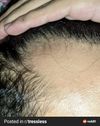
KY19382, a promising compound for hair loss, is not widely discussed or used. One user is currently testing it and plans to share results in a few weeks.
The conversation discusses hair loss treatments, specifically Minoxidil, finasteride, and RU58841. The focus is on setting realistic expectations for these treatments.
An experiment to determine the effectiveness of Pyrilutamide in reducing hair loss, using a regimen of Minoxidil and Finasteride, with promising results. The conversation also suggests comparing this to RU58841 as an alternative.
The conversation discusses positive initial trial results for GT20029, a topical compound for hair loss that degrades androgen receptors, potentially requiring only weekly application. Participants express hope for this treatment to be more effective and convenient than current options like Minoxidil, Finasteride, and RU58841.
The user is using oral finasteride, minoxidil, and KX-826 for hair regrowth, noticing small improvements. They plan to add ketoconazole shampoo and consider a hair transplant with verteporfin after a year of treatment.
Finasteride helped users feel better about hair loss, with some experiencing positive changes in confidence and reduced anxiety. Despite initial concerns, users reported satisfaction with the treatment over several months.
PP405 is a potential hair loss treatment that may activate dormant hair follicles, but there are concerns about its effectiveness, cost, and side effects. Users discuss treatments like minoxidil, finasteride, and RU58841, expressing skepticism about PP405's long-term success and accessibility.
The conversation discusses hair loss treatments, specifically mentioning Spiro, Min, Fin, and RU. It highlights that Spiro is generally for women and can affect men's hormonal balance.
A 24 year old male with no family history of balding who has been using minoxidil foam and Redensyl liquid for two months to treat hair loss, posting pictures to document his progress.
The user is exploring hair loss treatments, including Patented Growth Factors (PGF) and a serum with Copper Peptide, Ceramides, Amino Acids, and Caffeine, while expressing concerns about the cost and effectiveness of PGF. They are also considering starting finasteride due to doubts about PGF's long-term viability and are seeking experiences from others who have used these treatments alongside antidepressants.
The conversation discusses a user's 3.5-month experience using pyrilutamide and minoxidil for hair loss, with some perceived improvement in the temples but potential recent regression. Another user suggests that maintaining the current hairline, even without improvement, is positive.
A 48-year-old male is experiencing hair loss despite taking finasteride for four months. He is considering oral minoxidil but is concerned about high blood pressure and is unsure about taking spironolactone.
New hair loss treatments like Shiseido/Replicel and Histogen were discussed, with cautious optimism about their availability by 2018. Setipiprant, Replicel, and Bimatoprost were mentioned as potential treatments expected around 2016-2017.
Users discussed hair loss treatments, specifically 0.1% latanoprost with melatonin, caffeine, and biotin. Other treatments mentioned include minoxidil, finasteride, RU58841, and microneedling.
The user switched from Pyrilutamide to RU58841, changed their Minoxidil solution, and continued using low-dose Finasteride, derma rolling, and specific shampoo. They asked others about their plans after Pyrilutamide's disappointing results.
The user experienced no major negative symptoms from Propecia but noted ball throbbing and emotional inertia. They also used Minoxidil and observed increased focus and prolonged moods.
The conversation is about using topical cetirizine for hair loss treatment. The user mixes Aller-TEC tablets with a hair tonic but faces issues with the solution's consistency.
A user shared their 12-month progress using 0.5% Pyrilutamide once daily, 0.025% topical finasteride once daily, 5% Minoxidil twice daily, and microneedling 3 times a week. They reported good progress but noted a slowdown in recent months, hoping for thicker hair soon.
PP405 is a new hair growth stimulant different from Minoxidil, currently in phase 2 trials. Users discuss its potential, safety concerns, and the long wait before it might be available.
The user has been on finasteride for over two years, experiencing early hair regrowth, acne, and scalp sensitivity, but now faces thinning hair and questions about dosage and long-term effectiveness. They also used retinal to help with acne and are seeking advice on whether to adjust their finasteride dose.
OP uses microneedling, Minoxidil, and recently started RU58841 for hair loss. Users suggest adding finasteride, but OP is concerned about side effects.
The user is experiencing scalp itching from a PG ethanol base in their hair loss treatment, which includes 0.025% finasteride and 2.5% minoxidil, and is seeking alternatives without PG or ethanol. Suggestions include Zeuss non-PG foam and Ulo, which do not use PG or hydrocortisone.
The user has been using minoxidil, finasteride, dermastamping, and Nizoral for hair loss with initial success but is considering adding PRP due to slowed progress. Concerns about PRP include potential ineffectiveness and whether it could harm existing hair growth or interfere with current treatments.
User used Finasteride, Dutasteride, and Minoxidil for one year to treat hair loss. They discussed possibly trying RU58841 or pyrilutamide in the future.
Ordering Pyrilutamide from Minoxidilmax to use as an experimental topical treatment for hair loss, with discussion of the carrier used in trials and encouragement from other users.
Minoxidil caused water retention and gastrointestinal issues for the user, which improved after stopping the medication. The user is now using finasteride and topical minoxidil, experiencing excessive urination and concerns about systemic absorption.