7 citations
,
May 2010 in “British Journal of Dermatology”
Women treated with X-ray for scalp fungus as children had a higher chance of hair loss, especially with higher radiation doses and severe fungus infections.
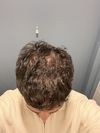
The user is experiencing hair loss, possibly due to androgenic alopecia or telogen effluvium, and is considering treatments like Minoxidil, Finasteride, or RU58841. They also mention potential iron deficiency and sleep deprivation as contributing factors.
Evidence-based treatments for androgenic alopecia, such as minoxidil, finasteride, low-level laser light therapy, dutasteride, platelet-rich plasma, and topical ketoconazole. It discusses the efficacy, safety, and mechanism of action of these treatments, as well as future developments in understanding this polygenic condition.
Hair loss theory suggests imbalance between Vitamin D Receptor (VDR) and Androgen Receptor (AR) activation. Proposed treatment includes upregulating VDR, downregulating AR, and improving mitochondrial health.
Kintor Pharma completed patient enrollment for a Phase II trial in China for GT20029, a potential new treatment for hair loss. Some believe GT20029 could replace finasteride if effective, while others discuss finasteride's limited efficacy and potential underreported side effects.
The treatment for androgenetic alopecia involves using finasteride and minoxidil with intense exercise and cold exposure to boost metabolism and reduce androgenic effects, potentially leading to hair regrowth. This approach may activate biological pathways for improved hair and overall health.