339 citations
,
February 2014 in “Journal of The American Academy of Dermatology”
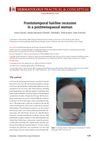
Most patients with frontal fibrosing alopecia are postmenopausal women, and treatments like finasteride and dutasteride can improve or stabilize the condition.
Younger generations now view receding hairlines as baldness, increasing the use of treatments like minoxidil and finasteride. Social media and changing beauty standards have intensified focus on hairlines, altering perceptions of baldness.
The conversation is about hair loss treatments, specifically minoxidil, finasteride, and dutasteride. The main advice is to start with finasteride and never stop minoxidil once started, as stopping can lead to significant hair loss.
A user's 12 month update on treatment for hair loss, which include oral dutasteride and minoxidil, topical RU88541 and minoxidil, microneedling with hyaluronic acid and FinDuta, experiencing no side effects, positive results and inspiring other users.
A 27-year-old actor shared his positive experience with two hair transplant surgeries, highlighting the importance of customization and detail for a natural look. He is taking finasteride to prevent future hair loss.
Dutasteride is more effective than finasteride for hair loss, especially at the crown and midscalp, but both have similar side-effect profiles with low incidence of sexual adverse events. Improvement is measured visually, and significant results may take over 12 months to appear.