11 citations
,
May 2010 in “Annals of the Academy of Medicine Singapore”
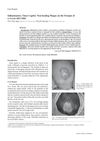
Tinea capitis can cause scalp issues in children and should be considered in similar cases; treatment with griseofulvin and selenium sulfide is effective.
PDE inhibitors, especially PDE4 inhibitors like apremilast, are effective for certain inflammatory skin conditions but have side effects and can be costly.
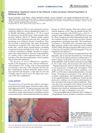
Topical roflumilast is effective for reducing inflammation in various scalp conditions like seborrheic dermatitis, psoriasis, and eczema, but not proven to stop scarring alopecia. Alternatives like apremilast and Vtama are also discussed for their anti-inflammatory benefits.
A user shared that taking vitamin E, specifically tocotrienols, seemed to reduce their hair shedding, and they are also using finasteride, minoxidil, and derma rolling for hair loss. Another user cautioned against high doses of vitamin E due to potential health risks.
The conversation discusses hair loss and treatments like finasteride, minoxidil, and ketoconazole shampoo. Users suggest scalp massages, warm showers, and other methods to address scalp tension and tight spots, with some mentioning the potential effects of medications like escitalopram and probiotics.
Increased Malassezia and Cutibacterium in the scalp microbiome are linked to higher sebum production and inflammation in androgenetic alopecia (AGA). Treatments include ciclopirox shampoo, benzoyl peroxide shampoo, clobetasol propionate, calcipotriol, minoxidil, finasteride, and dutasteride.
Turmeric may slightly inhibit DHT, but it likely doesn't significantly impact hair loss. Creatine might increase DHT levels, but its effect on hair loss is debated and not conclusively proven.