Search
forLearn
5 / 801 resultslearn Meta-bisulfite
learn phenylanine
learn Tricopper peptides
learn PP405
mitochondrial pyruvate carrier (MPC) inhibitor by Pelage in early trials
Research
5 / 58 results
research A Monoallelic Two-Hit Mechanism in PLCD1 Explains the Genetic Pathogenesis of Hereditary Trichilemmal Cyst Formation
A specific gene change plus an additional mutation in the same gene cause hereditary trichilemmal cysts.
research A Mosaic Hotspot PLCD1 Variant, Detectable in Blood‐Derived DNA , Associated With Nevus Trichilemmocysticus
A rare genetic variant linked to skin cysts was found in blood DNA, suggesting its role in cyst formation.
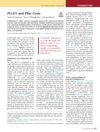
research PLCD1 and Pilar Cysts
The research linked PLCD1 gene variants to the development of trichilemmal cysts.
research Abstracts
The document reports findings on genetic research, including ethical concerns about genome editing, improved diagnosis of mitochondrial mutations, solving inherited eye diseases, confirming gene roles in epilepsy, linking a gene to aneurysms, and identifying genes associated with age-related macular degeneration.
research What’s Sex Got to Do With COVID-19? Gender-Based Differences in the Host Immune Response to Coronaviruses
Men generally have more severe COVID-19 cases and higher death rates than women due to biological differences.
Community Join
5 / 1000+ resultscommunity The theory that explains everything. The malloclusion theory has been proven.
Brian Dye's theory links skeletal malocclusion type II to hair loss, suggesting it's a blood flow issue. Treatments mentioned include minoxidil, finasteride, and anti-inflammatory drugs like benaxoprofen.
community Bile Acid-Mediated DHT Dysregulation Hypothesis
Elevated bile acids can inhibit the enzyme AKR1C2, leading to increased DHT levels, which may accelerate hair loss in those predisposed to androgenetic alopecia. Treatments mentioned include topical minoxidil and finasteride.
community My Theory Regarding a Cause and Cure for Androgenetic Alopecia
Hair loss theory suggests imbalance between Vitamin D Receptor (VDR) and Androgen Receptor (AR) activation. Proposed treatment includes upregulating VDR, downregulating AR, and improving mitochondrial health.
community Pp405 phase 2a clinical results
PP405 shows initial promise for treating androgenetic alopecia, with safety confirmed in early trials, but skepticism remains due to limited data. Further trials are needed to determine its true efficacy and potential market impact.
community My Theory Of Androgenic Alopecia
Hair loss is linked to cellular physiology and the IGF-1 to TGF-B1 ratio, not just androgen sensitivity. The theory lacks evidence, while finasteride and minoxidil are effective treatments.