 197 citations
,
June 2009 in “American journal of human genetics”
197 citations
,
June 2009 in “American journal of human genetics” WNT10A mutations often cause ectodermal dysplasias, with males showing more tooth issues than females.
6 citations
,
January 2025 in “Differentiation” WNT10A is important for tissue development and linked to various human disorders.
 28 citations
,
February 2010 in “British journal of dermatology/British journal of dermatology, Supplement”
28 citations
,
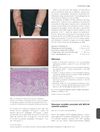
February 2010 in “British journal of dermatology/British journal of dermatology, Supplement” WNT10A mutations cause varied symptoms in patients with odonto-onycho-dermal dysplasia.
 89 citations
,
September 2010 in “Annual Review of Genomics and Human Genetics”
89 citations
,
September 2010 in “Annual Review of Genomics and Human Genetics” The document concludes that understanding the genes and pathways involved in hair growth is crucial for developing treatments for hair diseases.
 June 1997 in “Australasian Journal of Dermatology”
 Researchers found new hair and nail genes, how hair reacts to UV, differences in white and pigmented hair growth, nerve changes in alopecia, treatments for baldness and alopecia, a toenail condition linked to a genetic disorder, and that nail fungus is more common in people with psoriasis.