Search
forLearn
5 / 801 resultslearn Pantothenic Acid
learn Calcium Pantothenate
learn copper tripeptide-1
learn Pantothenyl ethylether
Research
5 / 1000+ resultsresearch A functional study of a case of glucagonoma exhibiting typical glucagonoma syndrome
A pancreatic tumor caused high glucagon levels and symptoms, but treatment reduced glucagon and shrank liver tumors.

research S-1 induced discoid lupus erythematosus-like lesions and long-term complete response for para-aortic lymph node recurrence of pancreatic ductal adenocarcinoma: a case report
S-1 treatment led to a complete response in pancreatic cancer with manageable side effects.
research Dissection of genetic variation and evidence for pleiotropy in male pattern baldness
Male pattern baldness is mostly inherited, involves many genes, and is linked to other traits like early puberty and strong bones.
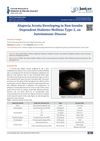
research Alopecia Areata Developing in Non-Insulin Dependent Diabetes Mellitus Type-2, an Autoimmune Disease
A woman with type 2 diabetes developed alopecia areata, suggesting a link between the two autoimmune conditions.
research Intracrine testosterone activation in human pancreatic β cells stimulates insulin secretion.
Testosterone in human pancreas cells boosts insulin production.
Community Join
5 / 1000+ resultscommunity Pyrilutamide - your experience?
The conversation is about the lack of improvement in hair loss after using Pyrilutamide for 14 weeks, with the original poster unable to use Finasteride due to depression. Replies suggest that Pyrilutamide, like RU58841, may not work for everyone, and a more potent drug is being developed by Kintor.
community Why do we get bald from evolutionary perspective
Baldness is not an evolutionary disadvantage because it occurs after reproductive age. Treatments like Minoxidil and Finasteride are used for androgenetic alopecia but don't address the root cause.
community Compressed part of research of theory of androgenic/anabolitic balance. AGA h-responders analytic. Theory of physio-metabolitic method of anti AGA treatment
The treatment for androgenetic alopecia involves using finasteride and minoxidil with intense exercise and cold exposure to boost metabolism and reduce androgenic effects, potentially leading to hair regrowth. This approach may activate biological pathways for improved hair and overall health.
community How is there zero improvement with finding the cure?
Hair loss treatments have not advanced since 2018, with finasteride, minoxidil, and RU58841 still being the main options. A permanent cure is unlikely due to the profitability of ongoing treatments.
community Scientists May Have Accidentally Found a Way to Reverse Hair Loss Without Drugs
2-deoxy-D-ribose is being explored as a hair loss treatment but is not proven effective in humans and may be costly and inconvenient. Minoxidil remains the most effective treatment.