Search
forLearn
5 / 801 resultslearn PTT-6®
learn oligopeptide-71
learn PTD-DBM
learn Osteopontin
signaling protein that, when suppressed, may grow hair by reducing inflammation and stem cell loss
Research
5 / 1000+ results
research Non-canonical Wnt signaling promotes directed migration of intestinal stem cells to sites of injury.
Special gut cells help stem cells move to and fix injured areas by activating a specific signaling pathway.
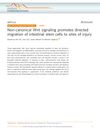
research Non-canonical Wnt signaling promotes directed migration of intestinal stem cells to sites of injury
Non-canonical Wnt signaling helps intestinal stem cells move to injury sites for tissue repair.

research A PAX1 enhancer locus is associated with susceptibility to idiopathic scoliosis in females
A genetic region near the PAX1 gene is linked to a higher risk of scoliosis in females.
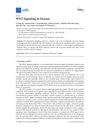
research WNT Signaling in Disease
The WNT signaling pathway is important in many diseases and targeting it could offer new treatments.

research Melanocytes in regenerative medicine applications and disease modeling
Melanocytes are important for normal body functions and have potential uses in regenerative medicine and disease treatment.
Community Join
5 / 1000+ resultscommunity PTD-DBM Update: Q&A With Dr. Kang-Yell Choi
PTD-DBM is being explored for hair regrowth by targeting CXXC5, with clinical trials expected after pre-clinical studies. Users express anticipation and skepticism about its effectiveness.
community The story of RU58841/ PSK3841
RU58841, a potential hair loss treatment, was not commercialized due to marketability issues and lack of long-term safety data. Concerns about its formulation and delivery methods further complicate its use.
community Proof DHT is not the main cause of hair loss. TRPS1 Gene and Protein might be. PP405 won’t work. AMP-303 might!
Hair loss may be linked to the TRPS1 gene and protein, not just DHT. Amplifica's AMP-303 targets mesenchymal stem cells and shows promise in treating hair loss, unlike Pelage's PP405.
community The story of RU58841/PSK3841
RU58841, an anti-androgenic compound, showed early promise for treating alopecia but faced challenges after its patent in 1997. Despite advancing to Phase II trials, safety concerns and financial struggles led Aventis to abandon its development. Proskelia, which later merged into ProStrakan, couldn't prioritize the drug, leading to its eventual stagnation and failure to reach the market.
community New company created by Dr. Kang-Yell Choi to commercialize PTD-DBM therapy
PTD-DBM therapy for hair loss is being developed by Dr. Kang-Yell Choi, with human testing planned in South Korea. Some clinics in the U.S. offer PTD-DBM/valproic acid therapy, but it hasn't completed trials yet.