 13 citations
,
September 2010 in “Journal of Dermatological Science”
13 citations
,
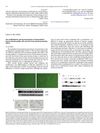
September 2010 in “Journal of Dermatological Science” Researchers made a cell line that grows quickly and can help with hair growth research.
 2 citations
,
September 2021
2 citations
,
September 2021 Patients with alopecia areata may have lower vitamin D levels than healthy people.
13 citations
,
July 2022 in “International Journal of Environmental Research and Public Health” Males had more severe COVID-19 symptoms, but their risk of death was only slightly higher than females.
 December 2021 in “Acta Marisiensis”
 Insulin resistance increases the risk of developing type 2 diabetes and other health issues.
 19 citations
,
January 2016 in “Annals of Dermatology”
19 citations
,
January 2016 in “Annals of Dermatology” Dutasteride is safe and effective for treating hair loss, but may decrease libido.
 December 2022 in “The Journal of Cosmetic Medicine”
 Hairline-lowering surgery effectively reduces a high hairline with immediate, noticeable results.
 May 2019 in “International journal of advanced chemistry”
 The green cream safely slowed hair growth by 25%.
98 citations
,
November 1999 in “Dermatology Online Journal” IGF-1 can boost hair growth by promoting cell growth and preventing cell death.
6 citations
,
November 2022 in “BMC Urology” Higher levels of miR-1199-5p may reduce the effectiveness of certain prostate treatments.
 11 citations
,
January 2018 in “Acta dermato-venereologica”
11 citations
,
January 2018 in “Acta dermato-venereologica” Tofacitinib works better and is more tolerable for severe alopecia than conventional treatments and DPCP immunotherapy.
2 citations
,
September 2022 in “Frontiers in Nutrition” High-dose vitamin D3 does not improve symptoms or quality of life in COVID-19 patients after one year.
 14 citations
,
April 2011 in “Cell Proliferation”
14 citations
,
April 2011 in “Cell Proliferation” Scientists can grow human hair follicle stem cells in a lab without changing their nature, which could help treat hair loss.
5 citations
,
May 2023 in “Microbial Cell Factories” A stable, active version of a growth factor was made in bacteria, showing promise for medical use.
 April 2026 in “Journal of Clinical Medicine”
 GLP-1 RAs may help wound healing but can also cause faster facial aging and skin issues.
8 citations
,
July 2024 in “Cells” PGC-1α may improve aging skin by boosting mitochondrial function and reducing inflammation.
18 citations
,
February 2023 in “Plants” Purple glutinous rice extracts can help whiten skin and reduce aging signs.
 3 citations
,
May 2022 in “The journal of investigative dermatology/Journal of investigative dermatology”
3 citations
,
May 2022 in “The journal of investigative dermatology/Journal of investigative dermatology” Skin lesions in Carney Complex are caused by a gene change in some skin cells that leads to increased pigmentation and may lead to tumors.
1 citations
,
July 2022 in “British Journal of Dermatology” Targeting specific genes in certain pathways may help treat male pattern baldness.
90 citations
,
February 2001 in “The journal of investigative dermatology/Journal of investigative dermatology” Interleukin-1 increases keratin K6 production in skin cells.
88 citations
,
August 2014 in “PLOS genetics” Syndecan-1 is essential for maintaining skin fat and preventing cold stress.
32 citations
,
January 2017 in “Physiology & Behavior” New hair growth corticosterone levels are higher in diabetic mice, indicating long-term stress.
 7 citations
,
February 2023 in “Inflammation and Regeneration”
7 citations
,
February 2023 in “Inflammation and Regeneration” The protein interleukin-1 alpha helps regenerate hair follicles and increase stem cell growth in mice.
1 citations
,
January 2023 in “Science Advances” The skin's microbiome helps hair regrow by boosting certain cell signals and metabolism.
September 2025 in “Current Issues in Molecular Biology” IGF-1 can help regrow hair and may be a promising treatment for hair loss.
 October 2024 in “Archives of Dermatological Research”
 Higher GPER-1 levels are linked to more severe and shorter-duration androgenetic alopecia, suggesting GPER-1 as a potential treatment target.
 September 2019 in “Journal of Investigative Dermatology”
 Smoking and certain health conditions like thyroid disease may make palmoplantar pustulosis harder to treat.
 February 2025 in “International Journal of Molecular Sciences”
 Maternal melatonin improves offspring hair growth by affecting specific proteins and pathways.
4 citations
,
September 2025 in “Biomolecules” The effect of GLP-1 RAs on erectile function is unclear and needs more research.
10 citations
,
November 2018 in “The Italian Journal of Pediatrics/Italian journal of pediatrics” Early diagnosis of Trichorhinophalangeal syndrome type 1 is crucial for treatment and was achieved through clinical examination and family history.
 August 2022 in “Journal of Comprehensive Pediatrics”
 A girl with a rare genetic disorder had a unique bone condition, highlighting the need for careful diagnosis and suggesting the disorder might be more common than thought.