Search
for
Sort by
Research
570-600 / 1000+ results
research A clinical overview of hair removal using lasers and light sources
Lasers and light sources can effectively remove hair, work best on fair skin with dark hair, and usually need multiple treatments.
research Risk Factors and Characterization of Vitiligo and Alopecia Areata in Patients With Chronic Graft-vs-Host Disease
Female donor to male recipient sex mismatch and positive ACA-IgG are key risk factors for vitiligo and alopecia areata in chronic GvHD patients.
research Intracavity wavelength modulation of an optical parametric oscillator for coherent Raman microscopy
Researchers created a new light source that improves chemical imaging by removing background noise.
research Laser Hair Removal: A Review
In-office laser hair removal works well long-term, especially Nd:YAG for darker skin, but home devices need more testing.
research Long‐pulsed ruby laser‐assisted hair removal in male‐to‐female transsexuals
Long-pulsed ruby laser effectively reduces hair in male-to-female transsexuals.
research The Effect of Ruby Laser Light on Cellular Proliferation of Epidermal Cells
Ruby laser hair removal does not cause increased cell growth in the skin.
research Ablative Laser Resurfacing (CO2)
Ablative CO2 laser resurfacing tightens skin by promoting collagen and new cell growth.
research Ruby laser treatment for hirsutism: clinical response and patient tolerance
Ruby laser treatment is effective and well-tolerated for reducing hair growth.
research Evaluation of the Efficacy of Excimer Light 308 nm Wavelength Versus Low Level Laser in Treatment of Alopecia Areata
Excimer light therapy is more effective than low level laser therapy for treating alopecia areata.
research Follicular unit extraction combined with fractional carbon dioxide laser therapy for post‐traumatic eyebrow scar with defects: A prospective and comparative study
Combining laser therapy with hair extraction improves eyebrow scar treatment.

research Post-laser hair removal folliculitis: A case report
Laser hair removal can cause severe skin irritation, but it can improve with treatment.
research New dimensions in Hirsutism
Laser hair removal is safe and effective for fair-skinned people with dark hair, and using eflornithine with laser treatments can improve results.
research Self-Reported Outcome After Diode Laser Hair Removal
Most patients were satisfied with diode laser hair removal and experienced no long-term side effects.

research Clinical Application of a New Near-Infrared Light-Emitting Diode with Broader Spectrum for Skin Rejuvenation and Hair Growth Enhancement
The new near-infrared LED device improves skin and hair with no side effects.
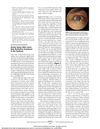
research Ocular Injury After Laser Hair Reduction Treatment to the Eyebrow
Laser hair reduction near the eyebrows can cause serious eye injuries even with safety measures.
research Long-pulsed 1064 nm Nd:YAG laser treatment for ingrown toenails and pincer nails
The Nd:YAG laser is a successful and safe way to treat ingrown and pincer nails.
research Cardio-light: nitric oxide uncaged
Low-level laser therapy using near-infrared light may help heart conditions and promote healing by releasing nitric oxide.
research A pilot study for triple combination therapy with a low-fluence 1064 nm Q-switched Nd:YAG laser, hydroquinone cream and oral tranexamic acid for recalcitrant Riehl’s Melanosis
The combination therapy significantly improved Riehl’s melanosis in patients without serious side effects.
research Intense Pulse Light (IPL) Versus Diode Laser in the Removal of Unwanted Facial Hair
IPL and diode laser are equally effective for facial hair removal.
research Dose‐response of human follicles during laser‐based hair removal: Ex vivo photoepilation model with classification system embracing morphological and histological features
Higher light doses cause more damage to hair follicles, predicting better hair removal results.
research Early Recurrence of Eruptive Vellus Hair Cysts after Er
Er:YAG laser therapy is ineffective for treating facial eruptive vellus hair cysts due to early recurrence and side effects.
research Low-power laser use in the treatment of alopecia and crural ulcers
Low-power laser therapy is an effective, side-effect-free treatment that speeds up hair regrowth and crural ulcer healing.
research Commentary on Safety of Perfluorodecalin-Infused Silicone Patch in Picosecond Laser-Assisted Tattoo Removal
research Laser Hair Removal
research Topical eflornithine hydrochloride improves the effectiveness of standard laser hair removal for treating pseudofolliculitis barbae: A randomized, double-blinded, placebo-controlled trial
Eflornithine cream makes laser hair removal more effective for treating pseudofolliculitis barbae.
research Treatment of Trichostasis Spinulosa in Skin Phototypes III, IV, and V With an 800-nm Pulsed Diode Laser
The 800-nm pulsed diode laser is a safe and effective long-term treatment for trichostasis spinulosa in dark-skinned individuals.
research PERSONAL EXPERIENCE OF MONOCHROMATIC EXCIMER PHOTOTHERAPY OF ALOPECIA AREATA
308 nm excimer phototherapy can help some people with alopecia areata regrow hair, especially if their condition is less severe.

research Efficacy of Ablative Fractional Carbon Dioxide Laser Alone and Combined with Platelet-Rich Plasma in the Treatment of Androgenetic Alopecia
Laser treatment combined with platelet-rich plasma is more effective for hair loss than laser treatment alone.
research Use of the pulsed infrared diode laser (904 nm) in the treatment of alopecia areata
The pulsed infrared diode laser is effective for treating hair loss in alopecia areata.