Search
for
Sort by
Research
390-420 / 1000+ resultsresearch 15. Hair and Nails
research 15. Hair and Nails
Low-dose acitretin helps nail psoriasis, stem cells may treat scarring alopecia, Chinese men have lower baldness rates, lateral foldplasty is good for ingrown toenails, hair diameter helps diagnose female baldness, childhood trauma linked to alopecia areata, certain hair-weaving leads to scalp conditions in African American women, and new methods for hair research and understanding hair and sweat gland development were introduced.
research 15. Hair and Nails
Hair and nail conditions can stabilize or improve over time, and new treatments show promise.
research 15. Hair and Nails
Women with androgenetic alopecia have fewer terminal hairs, phenol in nail surgery is safe, and a new hair transplant method is faster and less damaging.

research Effects of Glucagon-like Peptide-1 Receptor Agonists on Skin Homeostasis and Skin Aging Processes
GLP-1 RAs may help wound healing but can also cause faster facial aging and skin issues.

research 3a-Phenylhexahydropentalene-1,6-dione
A rigid compound with a common structural motif was successfully synthesized.
research Tuning Scaffold Properties of New 1,4-Substituted Pyrrolo[3,2-c]quinoline Derivatives Endowed with Anticancer Potential, New Biological and In Silico Insights
Compound 7p shows strong potential as an anticancer agent.
research Natural Product-Inspired Bis(trifluoromethyl) Phenyl Hydroxycinnamate Derivatives as Promising Nonsteroidal Inhibitors of Human Steroid 5α-Reductase Type-1: Synthesis, In Vitro, and In Silico Studies
New compounds show promise as nonsteroidal treatments for hair loss.

research Comparative Study of a Topical and Oral Combination Therapy Containing Oleanolic Acid, Apigenin, and Biotinyl Tripeptide-1 in Patients with Androgenetic Alopecia: A Prospective, Open-Label Trial
The combination therapy improved hair growth and thickness in people with androgenetic alopecia.

research A Natural Inhibitor, 1′S-1′-Acetoxychavicol Acetate, Against Testosterone-Induced Alopecia via NADPH Oxidase Regulation
1′S-1′-Acetoxychavicol acetate may help treat hair loss by reducing oxidative stress.

research Phenyl Propanoid 1’s-1′-Acetoxychavicol Acetate Protects Against Testosterone-Induced Alopecia by Inhibiting Nadph Oxidase
ACA from Alpinia galanga may prevent testosterone-related hair loss.
research 1. Medical Practice; Therapy; Adverse Reactions
Blood pressure drugs can cause skin lupus, but it improves after stopping the drug. The glycoprotein D vaccine works against genital herpes in some women, and the HPV-16 vaccine reduces HPV-16 infection and related diseases. More frequent light therapy clears psoriasis faster. A cream called imiquimod effectively treats a type of skin cancer. Iron supplements don't necessarily help with chronic hair loss in women.

research Therapeutic maintenance effect of finasteride 1 mg every other month regimen in androgenetic alopecia and study on the difference in response to finasteride treatment: A prospective cohort study
Taking finasteride every other month can still help with hair loss but may be less effective over time compared to taking it daily.
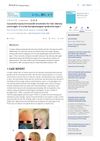
research Successful topical minoxidil treatment for hair density and length in trichorhinophalangeal syndrome type 1
Minoxidil improved hair growth in a child with a rare genetic disorder.
research 1,314
The convention highlighted the importance of comprehensive patient care and early diagnosis in dermatology.

research 1 The Changing Face of Aesthetic Facial Plastic Surgery among East Asians
More East Asians are accepting and getting facial plastic surgery, with a focus on natural-looking results and using both surgical and nonsurgical methods.
research Keratin 15 Promoter Targets Putative Epithelial Stem Cells in the Hair Follicle Bulge
The K15 promoter effectively targets stem cells in the hair follicle bulge.
research Induction of basal cell carcinomas and trichoepitheliomas in mice overexpressing GLI-1
Overexpressing GLI-1 in mice skin can cause tumors like human basal cell carcinomas.
research Induction of basal cell carcinomas and trichoepitheliomas in mice overexpressing GLI-1
Overexpressing GLI-1 in mice skin can cause tumors like human basal cell carcinomas.
research Human Skin is a Steroidogenic Tissue: Steroidogenic Enzymes and Cofactors Are Expressed in Epidermis, Normal Sebocytes, and an Immortalized Sebocyte Cell Line (SEB-1)
Human skin can produce steroids from cholesterol.
research Hair follicle–derived IL-7 and IL-15 mediate skin-resident memory T cell homeostasis and lymphoma
Hair follicle-derived IL-7 and IL-15 are crucial for maintaining skin-resident memory T cells and could be targeted for treating skin diseases and lymphoma.
research Role of insulin, insulin‐like growth factor‐1, hyperglycaemic food and milk consumption in the pathogenesis of acne vulgaris
Eating high-glycemic foods and drinking milk may worsen acne by increasing insulin and IGF-1 levels.
research Dihydrotestosterone-Inducible Dickkopf 1 from Balding Dermal Papilla Cells Causes Apoptosis in Follicular Keratinocytes
A substance called DKK-1 increases in balding areas and causes hair cells to die when exposed to DHT.
research Cytokeratin 15 expression in trichoepitheliomas and a subset of basal cell carcinomas suggests they originate from hair follicle stem cells
Trichoepitheliomas and some basal cell carcinomas likely come from hair follicle stem cells.
research Immunohistochemical localization of types 1 and 2 5α-reductase in human scalp
The study found that two enzymes linked to hair loss are located in different parts of the scalp, supporting a common treatment's effectiveness.
research Hyperandrogenism and Polycystic Ovary Syndrome in Women with Type 1 Diabetes Mellitus
Women with type 1 diabetes often have polycystic ovary syndrome and excess male hormones, which are frequently undiagnosed.
research Skin expression of mammalian target of rapamycin and forkhead box transcription factor O1, and serum insulin‐like growth factor‐1 in patients with acne vulgaris and their relationship with diet
Eating a high-glycemic diet may worsen acne by increasing certain protein levels and expressions in the skin.
research Interleukin-1 Induces Transcription of Keratin K6 in Human Epidermal Keratinocytes
Interleukin-1 increases keratin K6 production in skin cells.
research Effect of 1 mg/day finasteride on concentrations of serum prostate-specific antigen in men with androgenic alopecia: a randomised controlled trial
Taking 1 mg/day finasteride for hair loss significantly lowers PSA levels in men, which may affect prostate cancer screening.