90 citations
,
August 2004 in “Physiological Genomics” Dermal papilla cells help skin stem cells grow into hair.
 85 citations
,
September 2013 in “International Journal of Molecular Sciences”
85 citations
,
September 2013 in “International Journal of Molecular Sciences” Keratin 15 is not a reliable sole marker for identifying epidermal stem cells because it's found in various cell types.
 82 citations
,
September 2018 in “Nature Communications”
82 citations
,
September 2018 in “Nature Communications” A certain smell receptor in hair follicles can affect hair growth when activated by a synthetic sandalwood scent.
81 citations
,
May 2019 in “Frontiers in Endocrinology” Melatonin may improve some hormonal and inflammatory issues in women with PCOS.
75 citations
,
September 2015 in “Acta biomaterialia” Alkylation of human hair keratin allows for adjustable drug release rates in hydrogels for medical use.
73 citations
,
November 2001 in “Journal of Investigative Dermatology Symposium Proceedings” Markers help differentiate between apocrine and eccrine sweat glands to identify sweat gland tumors.
71 citations
,
February 1992 in “Journal of Cutaneous Pathology” Antibodies help identify glycoproteins in normal skin and tumor cells.
69 citations
,
June 2016 in “Journal of Investigative Dermatology” Sebaceous gland atrophy and inflammation may cause hair loss in psoriasis.
 65 citations
,
August 2007 in “Experimental Dermatology”
65 citations
,
August 2007 in “Experimental Dermatology” Human hair follicles can make and process prostaglandins, which may affect hair growth.
 63 citations
,
August 2008 in “Journal of Cosmetic Dermatology”
63 citations
,
August 2008 in “Journal of Cosmetic Dermatology” Cuscuta reflexa extract may help treat hair loss caused by hormones.
 59 citations
,
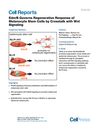
April 2016 in “Cell Reports”
59 citations
,
April 2016 in “Cell Reports” EdnrB signaling helps melanocyte stem cells regenerate and could be targeted to treat pigmentation issues.
58 citations
,
July 2018 in “Journal of Allergy and Clinical Immunology” Alopecia areata severity is linked to increased TH1 and TH2 activity.
 58 citations
,
January 2013 in “The Journal of Clinical Endocrinology and Metabolism”
58 citations
,
January 2013 in “The Journal of Clinical Endocrinology and Metabolism” Obese women with PCOS show a male-like pattern in certain fat tissue gene expressions.
research ACNE
58 citations
,
January 1997 in “Dermatologic Clinics” Acne significantly affects mental health and quality of life, with research suggesting hormonal and genetic factors in its development and emphasizing early treatment to prevent scarring.
 55 citations
,
January 2002 in “Journal of liposome research”
55 citations
,
January 2002 in “Journal of liposome research” New liposomal formulations may improve delivery of treatments to hair follicles, potentially helping with hair loss.
 53 citations
,
July 2011 in “Biomaterials”
53 citations
,
July 2011 in “Biomaterials” Human liver cells stick to hair protein materials mainly through the liver's asialoglycoprotein receptor.
 52 citations
,
February 2006 in “Current pharmaceutical design”
52 citations
,
February 2006 in “Current pharmaceutical design” 5α-reductase inhibitors and alpha-1 adrenergic antagonists together effectively treat benign prostatic hyperplasia, with long-term benefits.
50 citations
,
November 2021 in “Viruses” Spironolactone may help reduce COVID-19 severity in men by blocking harmful effects of certain hormones.
 48 citations
,
July 2019 in “International Journal of Biological Macromolecules”
48 citations
,
July 2019 in “International Journal of Biological Macromolecules” A new hydrogel with stem cells from human umbilical cords improves skin wound healing and reduces inflammation.
 46 citations
,
August 2003 in “The journal of investigative dermatology/Journal of investigative dermatology”
46 citations
,
August 2003 in “The journal of investigative dermatology/Journal of investigative dermatology” Phosphatidic acid may help hair grow by affecting cell growth pathways.
 46 citations
,
March 2001 in “Journal of endocrinological investigation”
46 citations
,
March 2001 in “Journal of endocrinological investigation” 5α-reductase inhibitors, like finasteride and dutasteride, effectively treat BPH, male baldness, and hirsutism, with potential for acne and prostate cancer prevention.
45 citations
,
September 2000 in “Archives of dermatology” The study found that the enzyme linked to acne is present in the same areas of both acne-affected and normal skin.
44 citations
,
April 2013 in “Proceedings of the National Academy of Sciences of the United States of America” FGF13 gene changes cause excessive hair growth in a rare condition.
 43 citations
,
July 2012 in “Molecular human reproduction”
43 citations
,
July 2012 in “Molecular human reproduction” Certain metabolites are lower in women with PCOS and could be potential markers for the condition.
 43 citations
,
December 2008 in “Molecular biology of the cell”
43 citations
,
December 2008 in “Molecular biology of the cell” Disrupting Smad4 in mouse skin causes early hair follicle stem cell activity that leads to their eventual depletion.
 43 citations
,
February 2008 in “Journal of cutaneous pathology”
43 citations
,
February 2008 in “Journal of cutaneous pathology” Melanocyte precursors in human fetal skin follow a specific migration pattern and some remain in the skin's deeper layers.
42 citations
,
July 2017 in “Molecular therapy” A form of vitamin E promotes hair growth by activating a specific skin pathway.
 42 citations
,
September 2015 in “Gene”
42 citations
,
September 2015 in “Gene” FGF5s can block the effects of FGF5, which may help control hair growth in cashmere goats.
 41 citations
,
June 2006 in “Journal of Investigative Dermatology”
41 citations
,
June 2006 in “Journal of Investigative Dermatology” Beard and scalp hair cells have different gene expressions, which may affect beard growth characteristics.
 40 citations
,
August 2022 in “Frontiers in immunology”
40 citations
,
August 2022 in “Frontiers in immunology” Blocking JAK/STAT pathways can help treat hair loss from alopecia areata.