23 citations
,
December 2013 in “Molecular cancer therapeutics” Breast cancer treatments work better with AR activation, improving results and reducing side effects.
 2 citations
,
August 2013 in “The Lancet. Diabetes & endocrinology”
2 citations
,
August 2013 in “The Lancet. Diabetes & endocrinology” The FDA rejected a testosterone drug again due to safety concerns.
8 citations
,
December 2003 in “Experimental Dermatology” Altering the keratin 17 gene in mice hair follicles caused temporary hair issues, but changes were minimal and short-lived.
December 1990 in “PubMed” Topical 17 alpha-propylmesterolone increases hair cell growth in androgenetic alopecia.
36 citations
,
July 2017 in “Journal of controlled release” A new method allows for controlled, long-lasting delivery of retinoic acid through the skin with fewer side effects.
 September 2024 in “Journal of the American Academy of Dermatology”
 Early-onset male baldness may increase the risk of metabolic syndrome.
August 2004 in “Medisch-Farmaceutische Mededelingen” Long-term use of finasteride may cause breast cancer in men.
2 citations
,
January 2000 in “Pediatrics in review” Early sexual development in children, especially girls, can be treated with hormone therapy to improve adult height and requires support for the child and family.
The treatment showed promising hair regrowth in advanced-stage hair loss.
 5 citations
,
September 2012 in “The Journal of Urology”
5 citations
,
September 2012 in “The Journal of Urology” Early hair loss may indicate future prostate issues.
 March 2013 in “The Journal of Urology”
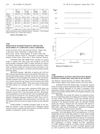
 Hair loss is linked to higher prostate-specific antigen levels and urinary symptoms, likely due to age.
 219 citations
,
September 2009 in “European journal of epidemiology”
219 citations
,
September 2009 in “European journal of epidemiology” The Rotterdam Study aims to understand various diseases in older adults.
January 2021 in “Thieme Medical and Scientific Publishers Private Limited eBooks”  April 2010 in “The Journal of Urology”
 Human prostate cells produce more WISP1/CCN4 when there's not enough oxygen.
 2 citations
,
July 2020 in “Behavioural Brain Research”
2 citations
,
July 2020 in “Behavioural Brain Research” Changing neuroactive steroids in baby male rats affects their memory and learning differently as they grow up.
4 citations
,
January 2015 in “Indian Journal of Dermatology” 15.33% of young Caucasian men have severe hair loss, with higher rates in Jewish men and links to age, BMI, and possibly metabolic syndrome.
 May 2023 in “International Journal of Trichology”
 Tofacitinib may be an effective and safe treatment for hair loss in teenagers with alopecia areata.
15 citations
,
July 2009 in “Biomedical Chromatography” A reliable method was developed to measure aristolochic acid-I in rat blood.
2 citations
,
September 2024 in “Journal of the American Academy of Dermatology” November 2022 in “Zenodo (CERN European Organization for Nuclear Research)” September 2021 in “World journal of urology” The correction states that the label change for Finasteride was in 2012, leading to more reports of side effects from non-healthcare people.
 8 citations
,
February 2025 in “Swiss Medical Weekly”
8 citations
,
February 2025 in “Swiss Medical Weekly” Integrating best practices for steroid users in Swiss primary care is feasible and beneficial, but doping laws need change.
 April 2017 in “Our Dermatology Online”
 Using cosmetics made elderly people feel more comfortable and attractive.
 17 citations
,
October 2006 in “Molecular and Cellular Endocrinology”
17 citations
,
October 2006 in “Molecular and Cellular Endocrinology” The L457(3.43)R mutation in the human lutropin receptor causes increased activity and hormone insensitivity, leading to precocious puberty.
November 2021 in “Evidencia” Young patients using finasteride may have higher risks of anxiety, depression, and suicidal thoughts.
 January 2004 in “Analytical Sciences: X-ray Structure Analysis Online”
 The document explains how to make a compound called 3.BETA.-Benzoyloxy-4-pregnen-16.ALPHA.,17.ALPHA.-epoxy-6,20-dione and describes its crystal structure.
13 citations
,
August 2000 in “Blood” Measuring minimal residual disease on day 15 helps identify high-risk leukemia patients.
40 citations
,
September 2024 in “European Journal of Endocrinology” PCOS affects about 6.3% of teens globally, and ongoing checks are advised for those with irregular cycles or high androgen levels.
2 citations
,
January 1986 in “PubMed” PIXE is an effective method to analyze hair's elemental composition.