
Search
for
Sort by
Research
840-870 / 1000+ results 
research National Lipid Association Recommendations for Patient-Centered Management of Dyslipidemia: Part 2
The guidelines suggest lifestyle changes, diet adjustments, and personalized medication to manage dyslipidemia and reduce heart disease risk.
research ASSOCIATION OF SYSTEMIC LUPUS ERYTHEMATOSUS AND CHRONIC GRANULOMATOUS DISEASE IN ADULTS: REPORT OF 2 CASES
Chronic granulomatous disease may be linked to developing systemic lupus erythematosus.

research Promotion of anagen, increased hair density and reduction of hair fall in a clinical setting following identification of FGF5-inhibiting compounds via a novel 2-stage process
New compounds were found to help increase hair growth and decrease hair loss.

research Alopecia areata. Diagnostic and therapeutic recommendations of the Polish Society of Dermatology. Part 2: Treatment
The Polish Society of Dermatology recommends treatments for alopecia areata that vary by severity, including topical and systemic medications, with long-term maintenance important for management.

research Treatment strategies for alopecia
Some treatments work for common baldness, but there's less evidence for other hair loss types, and more research is needed.
research DNMT1-mediated methylation inhibits microRNA-214-3p and promotes hair follicle stem cell differentiate into adipogenic lineages
DNMT1 helps turn hair follicle stem cells into fat cells by blocking a specific microRNA.
research An update on diagnosis and treatment of female pattern hair loss
Updated treatments for female hair loss include minoxidil, antiandrogens, hair transplants, and light therapy.
research Medications and hair transplantation
Minoxidil and finasteride combined can effectively treat hair loss.

research MicroRNA-149-Mediated MAPK1/ERK2 Suppression Attenuates Hair Follicle Stem Cell Differentiation
Increasing miR-149 reduces hair follicle stem cell growth and hair development by affecting certain cell growth pathways.
research Alopecia: managing the basics
The document concludes that treatments for female hair loss and excess body hair are available, but managing expectations is important.
research Epidemiology and Treatment of Male Androgenetic Alopecia
Male Androgenetic Alopecia, a common hair loss in men, can be slowed and partially restored with treatments like minoxidil and finasteride, or hair transplantation. Serenoa repens may be an alternative treatment. More research is needed for new treatments.

research Hair Loss in Men and Women
The document concludes that ongoing medical therapy is crucial for preventing hair loss, and surgical options can restore hair, with future treatments for hair loss being promising.
research JOHNE'S AND CROHN'S
The document suggests a possible link between Crohn's disease and Johne's disease and calls for more research.

research Finasteride and Dutasteride in the Treatment of Androgenetic Alopecia: Risk or Benefit?
Finasteride and dutasteride may help prevent hair loss but could cause side effects like sexual dysfunction and psychological issues.
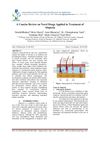
research A Concise Review on Novel Drugs Applied in Treatment of Alopecia
New therapies like JAK inhibitors, PRP, and stem cell treatments show promise for better alopecia management.
research Finasteride is of uncertain utility in treating frontal fibrosing alopecia
Finasteride's effectiveness for frontal fibrosing alopecia is uncertain.

research Male androgenetic alopecia
Hair loss in men treated best with early medication or transplant, new treatments researched.
research Guidelines for the diagnosis and treatment of male-pattern and female-pattern hair loss, 2017 version
Use finasteride, dutasteride, and minoxidil for hair loss treatment.

research Treatment options for alopecia: an update, looking to the future
The document concludes that there are various treatments for different types of alopecia, but more research is needed for evidence-based treatments.

research Frontal Fibrosing Alopecia: A Review
Frontal Fibrosing Alopecia's cause is unclear, affects mainly postmenopausal women, and current treatments focus on stopping hair loss rather than regrowth.

research Dermatologic Care of Hair in Transgender Patients: A Systematic Review of Literature
Hormone therapy increases facial and body hair in transgender men, while hair removal improves well-being in transgender women, but cost is a barrier as insurance often doesn't cover it. Dermatologists can use various treatments for these hair issues.
research Limited Effectiveness of Platelet-Rich-Plasma Treatment on Chronic Severe Alopecia Areata
Platelet-rich plasma treatment is not very effective for chronic severe alopecia areata.

research Dutasteride Micro-Injections in Androgenetic Alopecia
Small injections of dutasteride improved hair thickness in men with hair loss without major side effects.
research Age-related hair changes in men: Mechanisms and management of alopecia and graying
Men's hair loss is caused by hormones and genes, and can be treated with medication and surgery, while graying is due to aging and has no prevention except dyeing.

research New investigational drugs for androgenetic alopecia
Possible new treatments for common hair loss include drugs, stem cells, and improved transplants.

research Hair loss and herbs for treatment
Herbs can potentially treat hair loss by inhibiting a key enzyme and promoting hair growth, and deficiencies in zinc, biotin, and iron are linked to hair loss.

research Treatments options for alopecia
The document concludes that oral finasteride and topical minoxidil are effective for genetic hair loss, while other treatments for different types of hair loss show promise but need more research.

research Female Pattern Hair Loss
Over 50% of women over 50 experience hair loss, with minoxidil being the only proven effective treatment.

research Bitemporal alopecia areata
The paper concludes that recognizing bitemporal alopecia areata is important for early treatment and preventing its progression.