 216 citations
,
November 1999 in “Fertility and Sterility”
216 citations
,
November 1999 in “Fertility and Sterility” Testing basal 17-HP levels is a good way to screen for nonclassic adrenal hyperplasia in women with high androgen levels.
 117 citations
,
May 2017 in “Human Reproduction Update”
117 citations
,
May 2017 in “Human Reproduction Update” The update highlights that non-classic congenital adrenal hyperplasia is common in women with excess male hormones, requires specific hormone tests for diagnosis, and has various treatment options depending on age and symptoms.
 94 citations
,
July 2020 in “European Journal of Human Genetics”
94 citations
,
July 2020 in “European Journal of Human Genetics” The guidelines ensure accurate genetic testing and reporting for 21-hydroxylase deficiency.
 31 citations
,
February 1997 in “The Journal of Clinical Endocrinology and Metabolism”
31 citations
,
February 1997 in “The Journal of Clinical Endocrinology and Metabolism” People who carry the 21-Hydroxylase Deficiency gene are not more likely to have excessive male hormone levels.
 25 citations
,
September 2015 in “Clinical Endocrinology”
25 citations
,
September 2015 in “Clinical Endocrinology” Using 17-hydroxyprogesterone levels to diagnose nonclassic congenital adrenal hyperplasia can result in many incorrect diagnoses.
 14 citations
,
January 2013 in “Indian Journal of Endocrinology and Metabolism”
14 citations
,
January 2013 in “Indian Journal of Endocrinology and Metabolism” Women with congenital adrenal hyperplasia have lower fertility, but with proper treatment, they can conceive successfully.
10 citations
,
November 2019 in “Neuroendocrinology” Measuring 17-hydroxyprogesterone in hair can help monitor androgen levels in people with congenital adrenal hyperplasia.
 4 citations
,
December 2012 in “Arquivos Brasileiros De Endocrinologia E Metabologia”
4 citations
,
December 2012 in “Arquivos Brasileiros De Endocrinologia E Metabologia” A postmenopausal woman's masculine symptoms improved after surgery for a hormone-producing ovarian tumor.
1 citations
,
September 2017 in “Zhonghua neifenmi daixie zazhi” Routine genetic testing is crucial for early diagnosis and better management of Turner’s syndrome with 21-hydroxylase deficiency.
June 2026 in “Quality in Sport” CAH requires a multidisciplinary approach, and while current treatments help, future therapies show promise.
 February 2026 in “Frontiers in Endocrinology”
 Testosterone therapy improved symptoms in a woman with congenital adrenal hyperplasia.
June 2025 in “Molecular Genetics & Genomic Medicine” Severe genetic variants in children with a specific adrenal condition match predicted symptoms well, but milder variants do not.
 December 2024 in “Journal of Clinical Research in Pediatric Endocrinology”
 21-hydroxylase deficiency causes hormone imbalances leading to various symptoms, and diagnosis involves clinical and genetic tests.
 August 2023 in “Dermatology Reports”
 Acne not improved by usual treatments may indicate a genetic disorder.
 June 2023 in “Medicine and Pharmacy Reports”
 A woman with a specific mutation causing adrenal gland issues faced fertility problems, but careful hormone therapy helped her manage it successfully.
 January 2023 in “Endocrine Journal”
 Treating classic 21-hydroxylase deficiency requires precise glucocorticoid dosing and attention to individual patient needs, with new treatments showing promise.
January 2023 in “Pediatrics International” Non-classical 21-hydroxylase deficiency can be missed in newborn screenings and should be considered in cases of early puberty or virilization.
 5 citations
,
May 2019 in “Hormone and Metabolic Research”
5 citations
,
May 2019 in “Hormone and Metabolic Research” Women with nonclassic 21-hydroxylase deficiency can have successful pregnancies through IVF, with certain factors affecting their chances.
13 citations
,
June 2006 in “Fertility and Sterility” Nonclassic 21-hydroxylase deficiency is a common, treatable genetic disorder causing reversible symptoms like acne and hair loss.

Low-dose glucocorticoid treatment improves pregnancy and birth rates in women with nonclassical 21-hydroxylase deficiency.
1 citations
,
May 2013 in “Hair transplant forum international” Non-classical 21 hydroxylase deficiency is an underdiagnosed cause of female hair loss and polycystic ovarian syndrome.
 7 citations
,
December 2014 in “Gynecological Endocrinology”
7 citations
,
December 2014 in “Gynecological Endocrinology” LC-MS/MS is more reliable than immunoassays for diagnosing 21-hydroxylase deficiency.
 19 citations
,
August 1999 in “European journal of endocrinology”
19 citations
,
August 1999 in “European journal of endocrinology” The study concluded that testing hormone levels after stimulation is not reliable for identifying carriers of 21-hydroxylase deficiency; genetic testing is necessary.
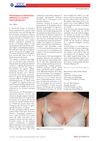 1 citations
,
August 2012 in “Journal der Deutschen Dermatologischen Gesellschaft”
1 citations
,
August 2012 in “Journal der Deutschen Dermatologischen Gesellschaft” A woman's hyperandrogenism was caused by a genetic mutation leading to non-classic adrenogenital syndrome.
September 2025 in “JCEM Case Reports” Consider rare forms of CAH for accurate diagnosis and treatment.
 1540 citations
,
October 2008 in “Fertility and Sterility”
1540 citations
,
October 2008 in “Fertility and Sterility” The report concludes that PCOS is mainly a condition of excess male hormones and its definition may change as new information is discovered.
188 citations
,
January 2022 in “PubMed” Advancements in understanding, diagnosing, and managing congenital adrenal hyperplasia have improved treatment and long-term outcomes.
 157 citations
,
May 2021 in “Endocrine Reviews”
157 citations
,
May 2021 in “Endocrine Reviews” Early diagnosis and individualized treatment improve outcomes for Congenital Adrenal Hyperplasia.
 151 citations
,
December 2004 in “Annals of the New York Academy of Sciences”
151 citations
,
December 2004 in “Annals of the New York Academy of Sciences” Congenital Adrenal Hyperplasia is a genetic disorder with two forms, causing symptoms like early puberty and severe acne, but can be identified through screening and treated with glucocorticoids.
 150 citations
,
November 2007 in “The Journal of Clinical Endocrinology and Metabolism”
150 citations
,
November 2007 in “The Journal of Clinical Endocrinology and Metabolism” About 2.2% of women with symptoms of high male hormones have a mild form of congenital adrenal hyperplasia, and measuring a specific hormone level can accurately diagnose it.