1 citations
,
July 2025 in “Biomaterials Advances” 3D cultures respond better to minoxidil, while 2D cultures respond better to DHT.
 35 citations
,
January 2020 in “Skin Pharmacology and Physiology”
35 citations
,
January 2020 in “Skin Pharmacology and Physiology” The review concluded that keeping the hair-growing ability of human dermal papilla cells is key for hair development and growth.
 31 citations
,
August 2019 in “Regenerative Medicine”
31 citations
,
August 2019 in “Regenerative Medicine” Human placenta hydrogel helps restore cells needed for hair growth.
 18 citations
,
November 2013 in “Molecules and Cells”
18 citations
,
November 2013 in “Molecules and Cells” New culture method keeps human skin stem cells more stem-like.
1 citations
,
March 2024 in “Nanomaterials” Biomimetic scaffolds are better than traditional methods for growing cells and could help regenerate various tissues.
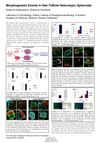
Researchers developed a method to create artificial hair follicles that may help with hair loss treatment and research.
 223 citations
,
October 2020 in “Microsystems & Nanoengineering”
223 citations
,
October 2020 in “Microsystems & Nanoengineering” Microtechnology methods improve organoid production for medical research.
 October 2013 in “Faculty Opinions – Post-Publication Peer Review of the Biomedical Literature”
 Three-dimensional culture helps dermal papilla cells grow new human hair follicles.
October 2014 in “Microscopy” The method using ionic liquid improves observation of cell structures with less damage.
 8 citations
,
January 2023 in “Journal of Clinical and Translational Hepatology”
8 citations
,
January 2023 in “Journal of Clinical and Translational Hepatology” Advancements in cultured models improve understanding and treatment of gallbladder cancer.
 12 citations
,
April 2022 in “Journal of Bioscience and Bioengineering”
12 citations
,
April 2022 in “Journal of Bioscience and Bioengineering” Activating the PI3K/Akt pathway improves hair growth by human dermal papilla cells in hair beads.
15 citations
,
March 2021 in “Journal of Nanobiotechnology” A new method was developed to grow and maintain human hair follicle stem cells for hair reconstruction.
1 citations
,
August 2025 in “Frontiers in Bioengineering and Biotechnology” A 3D skin model helps study wound healing better than traditional methods.
110 citations
,
August 2011 in “Journal of Visualized Experiments” 3D skin models better mimic human skin and melanoma progression than older methods.
A new 3D breast tumor model helps test drug effects more accurately than traditional methods.
 September 2022 in “Institutional Repositories DataBase (IRDB)”
 3D-oxy exosomes may significantly boost hair growth, offering new treatment options for hair loss.
January 2022 in “Yokohama National University Repository (Yokohama National University)” Exosomes from dermal papilla cells may help treat hair loss by promoting hair growth.
125 citations
,
March 2017 in “Micromachines” Microfluidic technology improves cell spheroid creation for better drug testing and tissue engineering.
 55 citations
,
April 2017 in “Experimental Dermatology”
55 citations
,
April 2017 in “Experimental Dermatology” The document describes a way to isolate and grow human hair follicle cells in 3D to help study hair growth.
 12 citations
,
July 2017 in “Scientific reports”
12 citations
,
July 2017 in “Scientific reports” Researchers developed a way to study human body clocks using hair tissue, which works similarly in both healthy and dementia patients.
 6 citations
,
October 2020 in “Journal of Cellular and Molecular Medicine”
6 citations
,
October 2020 in “Journal of Cellular and Molecular Medicine” 3D culture helps maintain hair growth cells better than 2D culture and identifies key genes for potential hair loss treatments.
 256 citations
,
October 2013 in “Proceedings of the National Academy of Sciences of the United States of America”
256 citations
,
October 2013 in “Proceedings of the National Academy of Sciences of the United States of America” Growing human skin cells in a 3D environment can stimulate new hair growth.
 75 citations
,
August 2011 in “Journal of Investigative Dermatology”
75 citations
,
August 2011 in “Journal of Investigative Dermatology” Forming spheres boosts the ability of certain human cells to create hair follicles when mixed with mouse skin cells.

PlacMA hydrogels from human placenta are versatile and useful for cell culture and tissue engineering.
 16 citations
,
May 2015 in “Tissue Engineering Part C-methods”
16 citations
,
May 2015 in “Tissue Engineering Part C-methods” A two-step method was created in 2015 to make more cells that help with hair growth, but they need to be combined with other cells for 4 days to actually form new hair.
 5 citations
,
November 2020 in “Frontiers in Cell and Developmental Biology”
5 citations
,
November 2020 in “Frontiers in Cell and Developmental Biology” The "Two-Cell Assemblage" assay is a new, simple method to identify substances that may promote hair growth.
132 citations
,
September 2009 in “Experimental Dermatology” A reliable system was developed to distinguish hair growth stages, aiding in identifying hair growth promoters or inhibitors.
 5 citations
,
September 2021 in “Frontiers in Cell and Developmental Biology”
5 citations
,
September 2021 in “Frontiers in Cell and Developmental Biology” Dihydrotestosterone treatment on 2D and 3D-cultured skin cells slows down hair growth by affecting certain genes and could be a potential target for hair loss treatment.
3D culture better preserves sweat gland cell identity than 2D culture.
 83 citations
,
January 2015 in “World Journal of Stem Cells”
83 citations
,
January 2015 in “World Journal of Stem Cells” Hair follicle regeneration needs special conditions and young cells.